
The shift toward renewable energy is not just a trend but a necessity, reshaping how we design, build, and maintain engineering systems for a sustainable future. ⚡

As the global community faces mounting environmental challenges, the engineering sector stands at the forefront of transformation. The integration of renewable energy sources into engineering systems represents one of the most significant technological and environmental shifts of our time. From solar panels adorning building rooftops to wind turbines dotting landscapes, the transition from fossil fuels to clean energy is revolutionizing how we power our world.
The urgency of this transformation cannot be overstated. Climate change, air pollution, and resource depletion demand immediate action, and sustainable engineering systems powered by renewable energy offer viable solutions. Engineers worldwide are reimagining traditional infrastructure, creating innovative designs that harmonize human needs with environmental stewardship.
🌍 Understanding the Renewable Energy Revolution in Engineering
Renewable energy encompasses power sources that naturally replenish themselves, including solar, wind, hydroelectric, geothermal, and biomass. Unlike finite fossil fuels, these sources provide continuous energy without depleting natural resources or producing harmful emissions that contribute to global warming.
The engineering applications of renewable energy extend far beyond simple power generation. Modern engineering systems integrate these sustainable sources into complex networks that power everything from residential buildings to industrial facilities, transportation infrastructure to agricultural operations. This holistic approach ensures that sustainability becomes embedded in the very foundation of our built environment.
The economic landscape has shifted dramatically in favor of renewables. Solar and wind energy costs have plummeted by over 80% in the past decade, making them competitive with or cheaper than conventional energy sources in many regions. This cost-effectiveness, combined with decreasing equipment prices and improving efficiency, has accelerated adoption across engineering disciplines.
⚙️ Solar Energy Integration in Engineering Systems
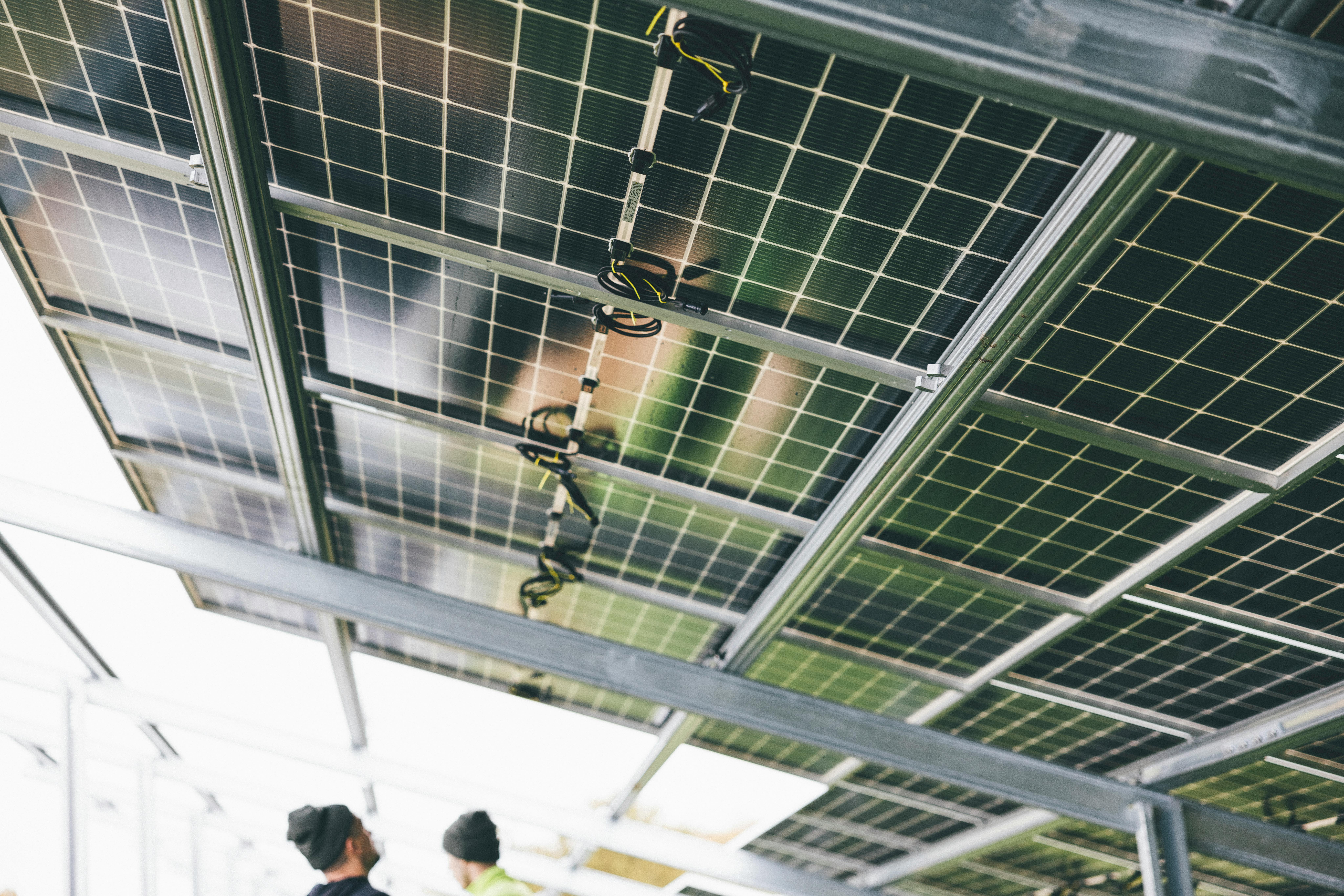
Solar photovoltaic technology has become the cornerstone of sustainable engineering design. Engineers now routinely incorporate solar panels into building facades, roofing systems, and even roadways. Building-integrated photovoltaics (BIPV) represent an elegant fusion of form and function, where architectural elements simultaneously serve as structural components and energy generators.
Advanced engineering systems utilize solar tracking mechanisms that follow the sun’s path throughout the day, maximizing energy capture efficiency by up to 40% compared to fixed installations. These intelligent systems employ sensors, motors, and sophisticated algorithms to optimize panel orientation in real-time.
Solar thermal engineering extends beyond electricity generation to provide direct heating solutions. Concentrated solar power (CSP) systems use mirrors or lenses to focus sunlight, generating heat for industrial processes, district heating networks, or thermal energy storage. This technology proves particularly valuable in regions with abundant sunshine and industrial applications requiring high-temperature processes.
Smart Grid Integration and Energy Storage
The intermittent nature of solar power presents engineering challenges that modern systems address through smart grid technology and energy storage solutions. Battery systems, particularly lithium-ion and emerging solid-state technologies, store excess solar energy for use during nighttime or cloudy periods, ensuring consistent power availability.
Engineers design sophisticated energy management systems that balance generation, storage, and consumption in real-time. These systems employ artificial intelligence and machine learning algorithms to predict energy demand patterns, optimize storage deployment, and minimize waste, creating resilient and efficient power networks.
💨 Wind Energy Engineering and Infrastructure Development
Wind energy has evolved from simple windmills to sophisticated turbine systems representing pinnacles of engineering achievement. Modern wind turbines stand over 100 meters tall, with blade spans exceeding 150 meters, capable of generating multiple megawatts of electricity. The engineering precision required to design, manufacture, and install these massive structures demonstrates remarkable technical advancement.
Offshore wind farms represent the next frontier in wind energy engineering. These installations harness stronger and more consistent ocean winds, though they present unique engineering challenges including saltwater corrosion, extreme weather resistance, and complex installation logistics. Floating wind turbines, secured by mooring systems rather than fixed foundations, enable energy generation in deeper waters previously considered inaccessible.
Wind resource assessment has become a sophisticated engineering discipline combining meteorological science, computational modeling, and geographic information systems. Engineers analyze wind patterns over multiple years, accounting for seasonal variations, terrain effects, and atmospheric conditions to optimize turbine placement and predict energy output accurately.
Structural and Mechanical Engineering Innovations
The mechanical engineering behind wind turbines involves complex systems including pitch control mechanisms, yaw drives, and advanced gearboxes that convert slow rotational motion into high-speed generator operation. Engineers continuously refine blade aerodynamics, utilizing computational fluid dynamics to maximize energy capture while minimizing noise and structural stress.
Materials engineering plays a crucial role in wind turbine development. Composite materials combining fiberglass, carbon fiber, and specialized resins create blades that are simultaneously lightweight, strong, and flexible enough to withstand tremendous mechanical forces. These materials must endure millions of stress cycles over 20-30 year operational lifespans.
🌊 Hydroelectric and Marine Renewable Energy Systems
Hydroelectric power remains the largest renewable energy source globally, with engineering systems ranging from massive dam installations to small-scale run-of-river systems. Modern hydroelectric engineering emphasizes environmental compatibility, incorporating fish passages, sediment management systems, and flow control mechanisms that maintain ecosystem health while generating clean electricity.
Emerging marine energy technologies harness ocean tides, waves, and thermal gradients. Tidal energy systems utilize predictable ocean movements, employing underwater turbines similar to wind installations but engineered for aquatic environments. Wave energy converters capture kinetic energy from surface waves through various mechanical systems including oscillating water columns and point absorbers.
Ocean thermal energy conversion (OTEC) represents an innovative engineering approach exploiting temperature differences between warm surface waters and cold deep ocean water. These systems use heat exchangers and working fluids to drive turbines, offering potential for continuous baseline power generation in tropical regions.
🔥 Geothermal Energy Engineering Applications
Geothermal energy taps into Earth’s internal heat, providing reliable, weather-independent power generation and direct heating applications. Engineering systems for geothermal energy involve drilling deep wells to access hot water or steam reservoirs, requiring specialized drilling technologies adapted from oil and gas industries but modified for harsh geothermal conditions.
Ground-source heat pumps represent accessible geothermal technology suitable for buildings worldwide. These systems circulate fluid through underground pipes, exchanging heat with stable subsurface temperatures to provide efficient heating and cooling. Engineering design considerations include soil thermal properties, ground loop configuration, and heat pump sizing to ensure optimal performance.
Enhanced geothermal systems (EGS) extend geothermal potential beyond naturally occurring reservoirs by engineering artificial permeability in hot dry rock formations. This technology involves hydraulic stimulation and precise monitoring to create controlled fracture networks that allow fluid circulation and heat extraction.
🔋 Biomass and Bioenergy Engineering Solutions
Biomass energy systems convert organic materials into usable energy forms through various engineering processes including combustion, gasification, anaerobic digestion, and biochemical conversion. Modern biomass engineering emphasizes sustainable feedstock sourcing, ensuring that energy production doesn’t compromise food security or ecosystem integrity.
Anaerobic digestion systems represent sophisticated bioengineering applications that break down organic waste to produce biogas, a renewable methane source. These systems serve dual purposes: generating clean energy while managing agricultural waste, wastewater sludge, and food processing residuals. Engineering design optimizes temperature, retention time, and mixing to maximize biogas production.
Advanced biofuels produced through biochemical and thermochemical processes offer renewable alternatives to petroleum products for transportation. Engineering research focuses on improving conversion efficiencies, reducing production costs, and developing fuel properties compatible with existing engines and distribution infrastructure.
🏗️ Sustainable Building Engineering and Renewable Integration
Net-zero energy buildings represent the ultimate achievement in sustainable building engineering, generating as much energy as they consume annually. These structures integrate multiple renewable energy systems with superior insulation, energy-efficient mechanical systems, and intelligent building automation to minimize energy demand while maximizing on-site generation.
Building engineering now emphasizes passive design strategies that reduce energy requirements through orientation, natural ventilation, daylighting, and thermal mass utilization. When combined with active renewable energy systems, these approaches create buildings that function as power plants rather than mere consumers.
District energy systems scale renewable energy benefits to neighborhood or community levels. These engineered networks distribute heating and cooling from centralized renewable sources through underground piping, achieving efficiencies impossible with individual building systems. Combined heat and power installations maximize energy utilization by capturing waste heat for productive purposes.
Smart Building Technologies and Energy Management
Internet of Things (IoT) sensors and building management systems create intelligent environments that optimize energy use in real-time. These systems monitor occupancy, lighting levels, temperature, and equipment operation, automatically adjusting conditions to maintain comfort while minimizing energy consumption. Machine learning algorithms identify patterns and inefficiencies, continuously improving system performance.
🚗 Transportation Engineering and Renewable Energy
Electric vehicles (EVs) powered by renewable electricity represent transformative change in transportation engineering. Charging infrastructure development requires careful grid engineering to manage increased electricity demand while maintaining stability. Smart charging systems coordinate vehicle charging with renewable energy availability, maximizing clean energy utilization and minimizing grid stress.
Vehicle-to-grid (V2G) technology transforms electric vehicles into mobile energy storage units that can supply power back to the grid during peak demand periods. This engineering innovation creates distributed energy resources that enhance grid resilience and renewable energy integration.
Renewable energy powers emerging transportation modes including electric rail systems, hybrid marine vessels, and electric aviation prototypes. Engineering challenges include energy density limitations, charging infrastructure deployment, and system integration across diverse transportation networks.
📊 Engineering Challenges and Solutions in Renewable Energy Systems
Despite remarkable progress, renewable energy engineering faces persistent challenges requiring innovative solutions. Energy intermittency—the variable nature of solar and wind resources—demands sophisticated grid management, diverse energy portfolios, and advanced storage technologies. Engineers develop predictive models, flexible grid systems, and hybrid renewable installations to ensure reliable power delivery.
Grid infrastructure designed for centralized fossil fuel generation requires substantial engineering upgrades to accommodate distributed renewable energy sources. Transmission line capacity, voltage regulation, and frequency control systems need modernization to handle bidirectional power flows and variable generation patterns.
Materials availability and environmental impacts of renewable energy manufacturing require ongoing engineering attention. Solar panel production involves rare materials and energy-intensive processes, while wind turbine blades present end-of-life disposal challenges. Engineers develop recycling technologies, alternative materials, and circular economy approaches to minimize environmental footprints.
🔬 Future Innovations in Renewable Energy Engineering
Emerging technologies promise to revolutionize renewable energy systems further. Perovskite solar cells offer simpler manufacturing and higher theoretical efficiencies than conventional silicon panels. Floating solar installations on reservoirs and coastal waters expand deployment possibilities without competing for valuable land.
Hydrogen produced through renewable-powered electrolysis represents a versatile energy carrier for applications where direct electrification proves challenging. Engineering development focuses on efficient electrolyzers, safe storage systems, and fuel cell technologies for stationary and mobile applications.
Artificial intelligence and quantum computing will enable unprecedented optimization of renewable energy systems, from molecular-level materials design to continent-spanning grid management. These computational advances will accelerate development cycles and reveal solutions beyond human intuition.
🌱 Creating Engineering Systems That Sustain Our Future
The transition to renewable energy powered engineering systems represents humanity’s most significant infrastructure transformation. Success requires not merely technological innovation but fundamental reimagining of how we design, build, and operate the systems supporting modern civilization. Engineers bear responsibility and opportunity to shape this sustainable future.
Education and professional development must evolve to prepare engineers for this renewable energy future. Interdisciplinary knowledge spanning electrical, mechanical, civil, and environmental engineering becomes essential, alongside skills in data science, systems thinking, and sustainability assessment.
Policy frameworks, economic incentives, and public engagement complement engineering innovation in driving renewable energy adoption. Engineers must communicate effectively with policymakers, investors, and communities to translate technical possibilities into implemented solutions that benefit society broadly.
The path forward demands commitment to continuous improvement, embracing both incremental refinements and breakthrough innovations. Every engineering project presents opportunities to integrate renewable energy, whether through major infrastructure installations or simple efficiency improvements in existing systems.
As climate urgency intensifies and technology capabilities expand, renewable energy integration in engineering systems accelerates globally. The engineering profession stands uniquely positioned to lead this transformation, applying technical expertise, creative problem-solving, and ethical responsibility to power our future sustainably. The renewable energy revolution isn’t approaching—it’s here, demanding and deserving our finest engineering efforts to secure a livable planet for generations to come. 🌟