
In today’s competitive business landscape, measuring performance isn’t optional—it’s the cornerstone of sustainable growth and long-term success in any organization.

🎯 Why Measurement Tools Are Your Secret Weapon for Sustainable Success
Organizations worldwide are discovering a fundamental truth: what gets measured gets improved. The journey toward sustainable success begins with understanding your current position, tracking progress, and making data-driven decisions that propel your business forward. Measurement tools have evolved from simple spreadsheets to sophisticated platforms that provide real-time insights, predictive analytics, and actionable intelligence.
The beauty of modern measurement systems lies in their ability to transform abstract goals into concrete, quantifiable targets. When businesses implement robust measurement frameworks, they create a culture of accountability, transparency, and continuous improvement. This isn’t about micromanagement—it’s about empowerment through clarity.
The Foundation: Understanding What to Measure
Before diving into tools and technologies, successful organizations must first identify their key performance indicators (KPIs). Not all metrics are created equal, and measuring everything often leads to measuring nothing effectively. The art lies in selecting indicators that truly reflect your strategic objectives and provide meaningful insights into business health.
Financial metrics remain crucial, but sustainable success requires a balanced approach. Customer satisfaction scores, employee engagement levels, operational efficiency rates, and innovation indicators all contribute to a comprehensive performance picture. The most successful companies create measurement frameworks that balance short-term results with long-term sustainability goals.
Leading vs. Lagging Indicators: A Critical Distinction
Understanding the difference between leading and lagging indicators revolutionizes how organizations approach measurement. Lagging indicators tell you what already happened—revenue figures, customer churn rates, or production volumes. While valuable, they’re historical snapshots that offer limited predictive power.
Leading indicators, conversely, predict future performance. Website traffic patterns, sales pipeline velocity, employee satisfaction trends, and customer engagement metrics all signal what’s coming. Smart businesses monitor both types, using lagging indicators to validate strategies and leading indicators to anticipate challenges and opportunities.
Digital Tools That Transform Performance Tracking 📊
The digital revolution has democratized access to sophisticated measurement capabilities. Small businesses now wield analytical power that Fortune 500 companies couldn’t access two decades ago. This technological leveling field creates unprecedented opportunities for organizations willing to embrace data-driven decision making.
Cloud-based analytics platforms offer real-time dashboards that consolidate data from multiple sources. These systems eliminate manual data entry, reduce errors, and provide instant visibility into performance trends. The result? Faster decision-making cycles and more agile organizational responses to market changes.
Essential Categories of Measurement Tools
Modern businesses benefit from specialized tools across different operational domains. Financial management software tracks cash flow, profitability, and budget adherence. Customer relationship management (CRM) systems monitor sales pipelines, customer interactions, and retention rates. Project management platforms measure task completion, resource utilization, and timeline adherence.
Marketing analytics tools decode campaign performance, conversion rates, and customer acquisition costs. Human resource information systems (HRIS) track recruitment efficiency, turnover rates, and workforce productivity. Operations management software monitors supply chain efficiency, quality control metrics, and production throughput.
- Business Intelligence Platforms: Consolidate data across departments for holistic insights
- Performance Management Systems: Track individual and team objectives aligned with organizational goals
- Customer Analytics Tools: Understand behavior patterns and predict future needs
- Financial Dashboards: Monitor cash flow, profitability, and fiscal health in real-time
- Operational Efficiency Trackers: Identify bottlenecks and optimization opportunities
- Employee Engagement Platforms: Measure satisfaction, productivity, and retention indicators
Building a Measurement Culture That Sticks
Technology alone doesn’t create sustainable success. The most sophisticated tools fail without organizational commitment to measurement-driven improvement. Building a measurement culture requires leadership commitment, employee buy-in, and systems that make data accessible and actionable at all organizational levels.
Successful implementation starts with education. Teams must understand not just how to use measurement tools, but why metrics matter and how they connect to broader organizational objectives. When employees see direct links between their daily activities and company success, engagement and performance naturally improve.
Overcoming Resistance to Measurement
Change always encounters resistance, and measurement initiatives face unique challenges. Some team members fear surveillance or perceive measurement as distrust. Others worry about being judged unfairly by metrics they don’t control. Addressing these concerns transparently is essential for building trust and securing adoption.
Smart organizations frame measurement as empowerment rather than evaluation. When teams access data about their own performance, they gain autonomy to identify problems and implement solutions without waiting for management directives. This shift from top-down control to distributed intelligence accelerates improvement and builds ownership.
🚀 From Data Collection to Strategic Action
Collecting data is easy; transforming information into strategic action separates high-performers from the rest. The measurement-to-action cycle requires discipline, systematic review processes, and decision-making frameworks that convert insights into concrete initiatives.
Effective organizations establish regular review rhythms—daily operational metrics, weekly team performance reviews, monthly strategic assessments, and quarterly comprehensive evaluations. These structured touchpoints ensure data drives discussions and decisions rather than collecting dust in unused dashboards.
The Power of Visualization
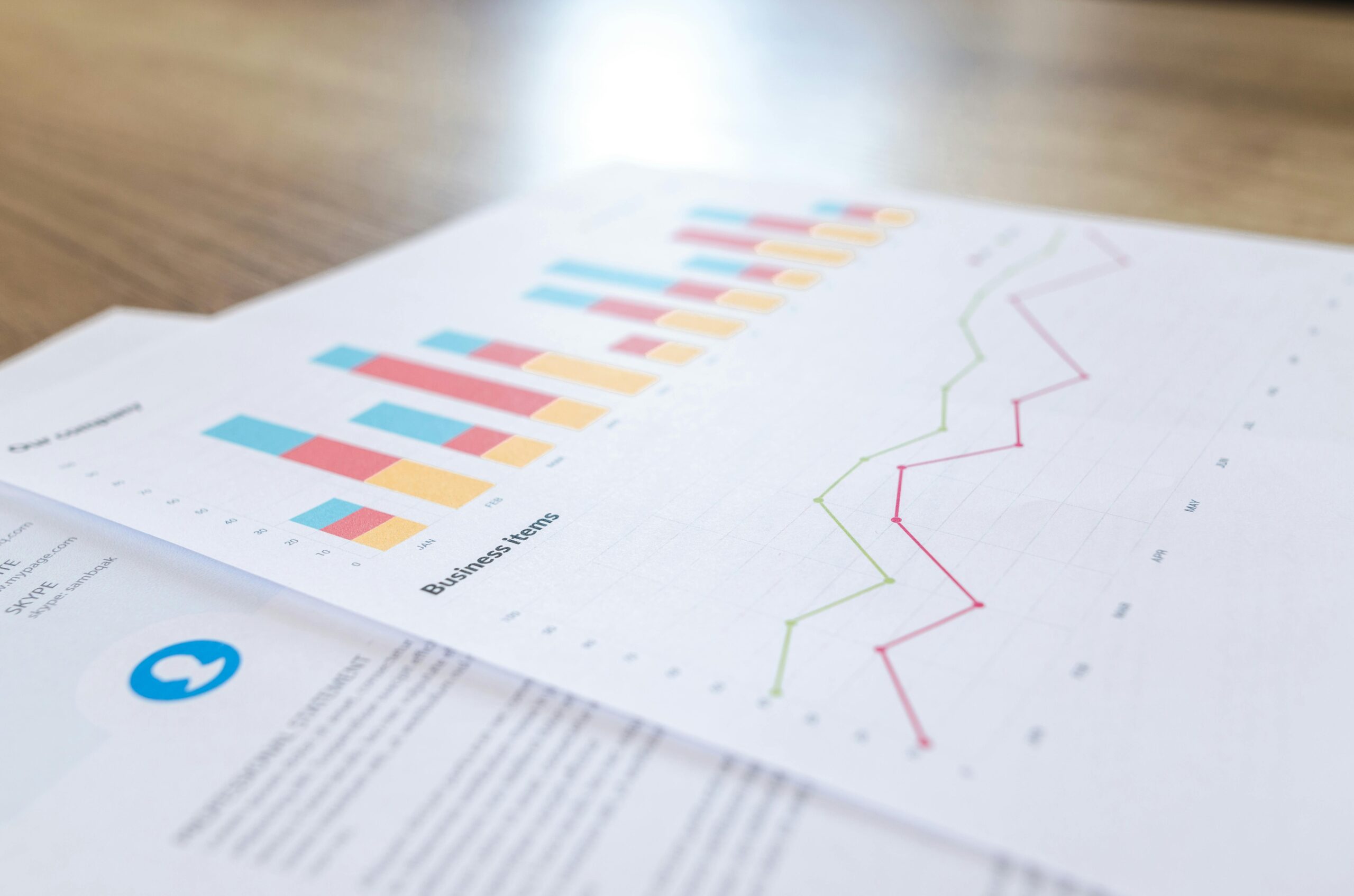
Human brains process visual information exponentially faster than numerical data. Transforming spreadsheets into compelling visualizations—charts, graphs, heat maps, and interactive dashboards—accelerates comprehension and facilitates faster decision-making.
Modern measurement tools offer increasingly sophisticated visualization capabilities. Color-coded indicators provide at-a-glance status updates. Trend lines reveal patterns obscured in raw numbers. Comparative displays highlight performance variations across teams, products, or time periods. These visual elements transform data from intimidating to intuitive.
Integrating Sustainability Metrics into Performance Measurement
Sustainable success transcends quarterly earnings reports. Forward-thinking organizations integrate environmental, social, and governance (ESG) metrics into comprehensive performance frameworks. This holistic approach recognizes that long-term viability depends on responsible resource management, positive social impact, and ethical governance practices.
Carbon footprint tracking, waste reduction metrics, diversity and inclusion indicators, and community impact measurements now appear alongside traditional financial KPIs in annual reports and strategic planning documents. This integration reflects evolving stakeholder expectations and the recognition that sustainable practices drive competitive advantage.
The Business Case for ESG Measurement
Skeptics once dismissed sustainability metrics as “nice-to-have” distractions from bottom-line results. Market dynamics have rendered this view obsolete. Consumers increasingly prefer brands demonstrating environmental and social responsibility. Investors incorporate ESG factors into valuation models. Talented employees gravitate toward organizations aligned with their values.
Companies measuring and improving sustainability performance report tangible business benefits: reduced operational costs through resource efficiency, enhanced brand reputation, improved talent attraction and retention, and reduced regulatory risks. Sustainability metrics aren’t separate from business performance—they’re integral to it.
Real-Time Measurement: The Competitive Edge ⚡
Historical data helps understand past performance, but real-time measurement enables proactive management. Organizations with instant visibility into operational metrics can identify and address problems before they escalate, capitalize on emerging opportunities faster than competitors, and adjust strategies dynamically as market conditions shift.
Manufacturing facilities use real-time production monitoring to detect quality issues immediately. Retailers track inventory levels and customer traffic patterns to optimize staffing and stock levels throughout the day. Service businesses monitor customer satisfaction scores to address concerns before clients defect to competitors.
Mobile Measurement: Performance in Your Pocket
Mobile technology has revolutionized when and where measurement happens. Executives access critical dashboards from smartphones during airport layovers. Field service technicians update job completion metrics from customer sites. Sales representatives track pipeline progress between meetings. This accessibility ensures measurement never waits until people return to desks.
Mobile measurement apps democratize data access across organizational hierarchies. When frontline employees see how their contributions impact company goals in real-time, engagement and accountability strengthen. The physical distance between work performance and measurement evaporates, creating tighter feedback loops that accelerate improvement.
Common Measurement Pitfalls and How to Avoid Them
Even organizations committed to measurement can stumble into predictable traps. Recognizing these pitfalls helps businesses design more effective systems from the start and course-correct existing programs before problems undermine results.
Measuring too many metrics creates information overload that paralyzes rather than empowers decision-making. Focus on the vital few indicators that truly drive success rather than tracking everything possible. Quality trumps quantity in effective measurement systems.
Ignoring data quality undermines even the most sophisticated analytics. Garbage in, garbage out remains eternally true. Establish data governance protocols, validate information accuracy regularly, and create accountability for data integrity at all organizational levels.
Optimizing individual metrics at the expense of system performance produces unintended consequences. When call centers prioritize speed over quality to meet average handle time targets, customer satisfaction suffers. Holistic measurement frameworks prevent such counterproductive optimization.
The Vanity Metrics Trap
Not all numbers that increase are meaningful. Vanity metrics look impressive but don’t correlate with business success. Social media follower counts mean little without engagement and conversion. Website traffic is meaningless if visitors don’t become customers. Email subscriber totals are hollow without open and click-through rates.
Rigorous measurement programs distinguish between vanity metrics and actionable indicators. Every tracked metric should answer these questions: Does this predict future performance? Can we influence this number through our actions? Does improving this metric advance strategic objectives? If the answer to any question is no, reconsider whether that metric deserves attention.
🎓 Developing Measurement Literacy Across Your Organization
Sophisticated tools provide little value when teams lack the skills to interpret data and apply insights. Measurement literacy—the ability to understand, analyze, and act on quantitative information—has become an essential competency across all organizational roles and functions.
Progressive companies invest in data literacy training programs that teach employees statistical fundamentals, visualization interpretation, and analytical thinking. These initiatives demystify measurement, transforming data from an intimidating specialty into a universal language that facilitates cross-functional collaboration and strategic alignment.
Future Trends Reshaping Performance Measurement
Artificial intelligence and machine learning are revolutionizing measurement capabilities. Predictive analytics forecast future performance with increasing accuracy. Anomaly detection algorithms identify unusual patterns requiring attention. Natural language processing transforms unstructured feedback into quantifiable insights. These technologies augment human judgment rather than replacing it, enabling more informed strategic decisions.
Blockchain technology promises enhanced data integrity and transparency in measurement systems. Internet of Things (IoT) sensors expand measurement possibilities across physical operations. Augmented reality interfaces create immersive data visualization experiences. These emerging technologies will further democratize sophisticated measurement capabilities and accelerate the evolution from intuition-based to evidence-based management.
Creating Your Measurement Implementation Roadmap 🗺️
Transforming measurement aspirations into operational reality requires structured implementation. Start by conducting a measurement maturity assessment—understanding current capabilities, identifying gaps, and prioritizing improvement opportunities. This honest baseline prevents overambitious plans that collapse under their own complexity.
Develop a phased rollout strategy that delivers quick wins while building toward comprehensive capabilities. Begin with departments or processes where measurement can demonstrate clear value rapidly. Success stories from these pilot initiatives build momentum and organizational support for broader implementation.
Select tools that match your organization’s technical sophistication, budget constraints, and strategic priorities. Resist the temptation to over-engineer solutions—the best measurement system is one that actually gets used consistently. Start with simpler tools that solve immediate problems, then evolve toward more sophisticated platforms as measurement maturity increases.
Sustaining Measurement Excellence Over Time
Initial implementation enthusiasm inevitably wanes without deliberate sustainability strategies. Regular system audits ensure measurement frameworks evolve alongside changing business priorities. Celebrate measurement successes publicly to reinforce desired behaviors. Continuously refine metrics based on lessons learned and shifting strategic objectives.
Leadership commitment provides the most powerful sustainability factor. When executives consistently reference data in decisions, demand evidence for proposals, and model measurement discipline, these behaviors cascade throughout the organization. Measurement becomes “how we work” rather than an initiative with a beginning and end.
Unleashing Your Organization’s Full Potential Through Measurement
Sustainable success doesn’t happen accidentally—it results from deliberate strategies, consistent execution, and continuous improvement guided by robust measurement. Organizations that master performance measurement gain competitive advantages that compound over time: faster problem identification, more effective resource allocation, stronger accountability, and evidence-based confidence in strategic decisions.
The journey from measurement novice to data-driven excellence requires commitment, but the destination justifies the effort. Companies that embrace measurement tools and cultivate measurement cultures position themselves to thrive in increasingly complex, rapidly changing business environments. They transform uncertainty into clarity, reactive management into proactive leadership, and good intentions into measurable results.
Your organization’s path to sustainable success begins with a single step: defining what success means, identifying how to measure it, and committing to let data guide your journey forward. The tools exist, the methodologies are proven, and the competitive imperative is clear. The only remaining question is whether you’ll harness measurement’s transformative power or watch competitors race ahead.