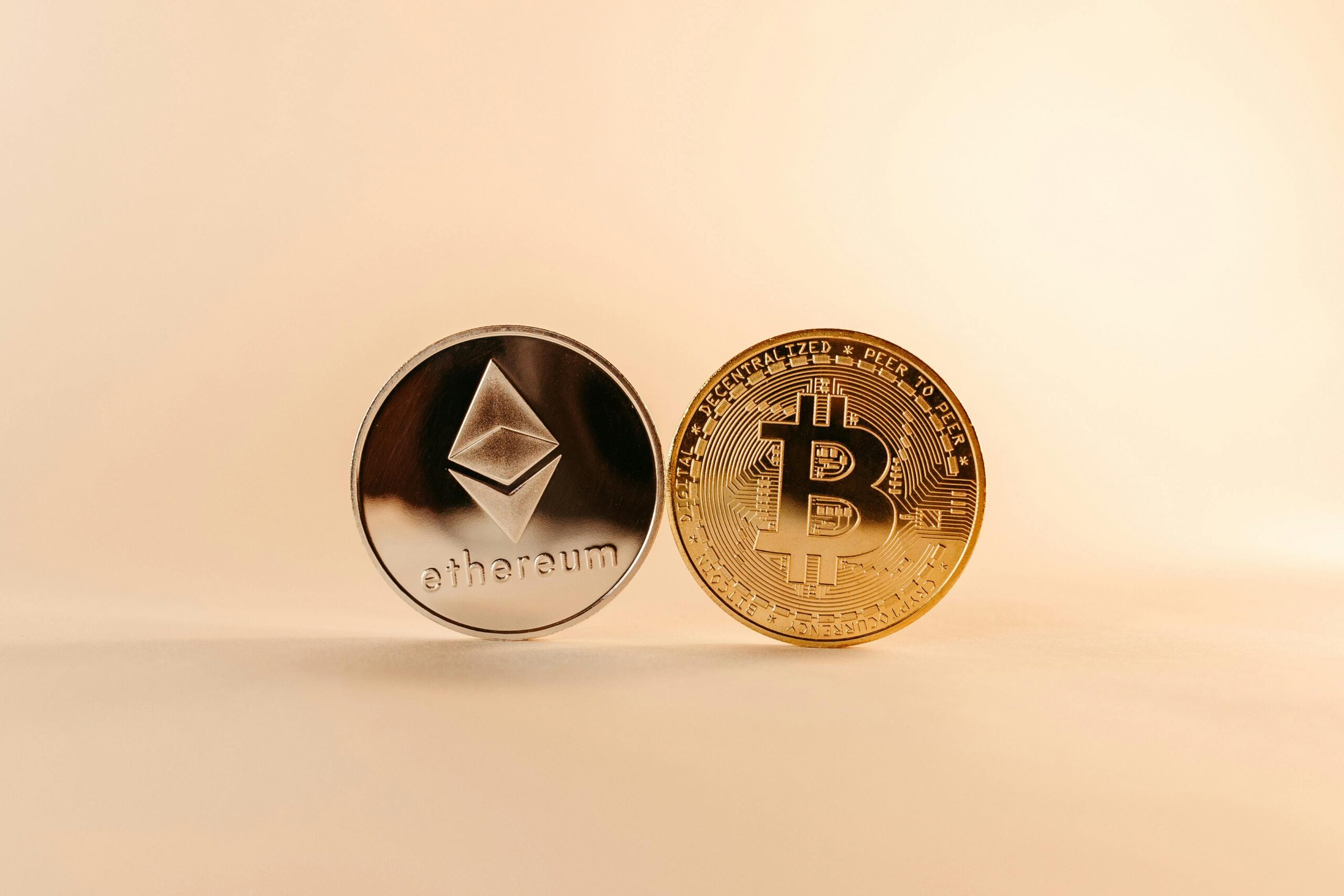
The digital economy is reshaping how organizations operate, compete, and create value. At the heart of this transformation lie governance and tokenomics models—two interconnected frameworks that determine success in blockchain-based ecosystems.

🚀 The Foundation of Digital Economy Success
Traditional business models are giving way to decentralized systems where power, decision-making, and value distribution follow entirely new paradigms. Understanding governance and tokenomics isn’t just a technical necessity—it’s the difference between projects that thrive and those that fade into obscurity.
Governance structures define who makes decisions, how those decisions are implemented, and what mechanisms exist to ensure accountability. Tokenomics, meanwhile, creates the economic incentives that drive participation, reward contribution, and sustain long-term ecosystem health. Together, these models form the backbone of successful digital economy ventures.
The intersection of these two frameworks creates a powerful synergy. Good governance without sound tokenomics leads to unsustainable systems. Strong tokenomics without proper governance results in chaotic, directionless projects. The magic happens when both elements align perfectly.
Understanding Governance Models in Blockchain Ecosystems
Governance in the digital economy extends far beyond traditional corporate structures. It encompasses everything from protocol upgrades to treasury management, from dispute resolution to community coordination. The decentralized nature of blockchain technology demands new approaches to organizational decision-making.
On-Chain vs. Off-Chain Governance
On-chain governance embeds decision-making directly into blockchain protocols. Token holders vote on proposals, and approved changes execute automatically through smart contracts. This approach offers transparency, immutability, and automated enforcement. Projects like Tezos and Polkadot have pioneered sophisticated on-chain governance mechanisms.
Off-chain governance relies on discussions, social consensus, and manual implementation. While less automated, it allows for nuanced debate and flexibility. Bitcoin’s governance model exemplifies this approach, where changes require broad community consensus before implementation.
Each model presents distinct advantages. On-chain governance provides clarity and speed but may sacrifice deliberation. Off-chain governance encourages thorough discussion but can lead to deadlock or contentious hard forks. The most successful projects often blend both approaches strategically.
Decentralization vs. Efficiency Trade-offs
Every governance model faces the fundamental tension between decentralization and operational efficiency. Highly decentralized systems distribute power broadly but may struggle with quick decision-making. Centralized structures move fast but risk single points of failure and control.
Progressive decentralization has emerged as a practical solution. Projects launch with centralized teams making rapid decisions, then gradually transfer control to token holders as the ecosystem matures. This approach balances the need for agile early development with long-term decentralization goals.
💎 The Science and Art of Tokenomics
Tokenomics represents the economic architecture of blockchain projects. It determines token supply, distribution mechanisms, utility functions, and incentive structures. Well-designed tokenomics aligns participant incentives with project success, creating virtuous cycles of growth and adoption.
Core Components of Effective Tokenomics
Supply mechanics form the foundation of any tokenomics model. Fixed supply tokens like Bitcoin create scarcity and potential deflationary pressure. Inflationary models with continuous token emission can reward ongoing participation but risk devaluation. Elastic supply mechanisms adjust token quantity based on demand, attempting to maintain price stability.
Distribution strategies determine how tokens enter circulation. Initial coin offerings, airdrops, liquidity mining, and vesting schedules each serve different purposes. Fair distribution builds community trust, while strategic allocation can fund development and incentivize key stakeholders.
Utility design defines what tokens actually do within ecosystems. Governance rights, transaction fees, staking rewards, access privileges, and protocol services all represent potential utility functions. The most successful tokens combine multiple utilities, creating diverse value propositions.
Incentive Alignment and Network Effects
Tokenomics must align incentives across all stakeholder groups—developers, users, validators, investors, and ecosystem partners. When incentives align properly, each participant’s self-interested actions benefit the entire network. This creates positive feedback loops where growth attracts more participants, which drives further growth.
Network effects represent the holy grail of digital economy projects. Metcalfe’s Law suggests network value increases proportionally to the square of users. Tokenomics accelerates these effects by rewarding early adopters, penalizing malicious behavior, and creating switching costs that retain participants.
Governance and Tokenomics: The Interplay
The relationship between governance and tokenomics extends beyond mere complementarity—they actively shape each other. Governance mechanisms determine how tokenomics evolves over time. Tokenomics influences who participates in governance and how much influence they wield.
Token-weighted voting gives governance power proportional to token holdings. This approach aligns decision-making authority with financial stake, ensuring those most affected by decisions have the strongest voice. However, it risks plutocracy where wealthy holders dominate smaller participants.
Quadratic voting and reputation-based systems offer alternatives that balance influence more evenly. These mechanisms prevent single entities from overwhelming governance while still rewarding meaningful participation. The challenge lies in preventing Sybil attacks where actors create multiple identities to amplify their influence.
Treasury Management and Resource Allocation
How projects manage treasuries represents a critical governance function with direct tokenomics implications. Decentralized autonomous organizations (DAOs) pioneered community-controlled treasuries where token holders vote on fund allocation.
Effective treasury management balances multiple objectives: funding development, marketing initiatives, ecosystem grants, liquidity provision, and reserve maintenance. Poor treasury governance leads to misallocated resources or captured funds. Robust governance ensures treasuries serve ecosystem interests rather than narrow groups.
📊 Real-World Success Stories
Examining successful implementations reveals how governance and tokenomics work in practice. Ethereum’s transition from proof-of-work to proof-of-stake demonstrated sophisticated governance coordinating a massive protocol change. The tokenomics shift reduced ETH issuance while introducing staking rewards, fundamentally altering economic incentives.
Uniswap’s governance model showcases effective DAO operations. UNI token holders vote on protocol fees, treasury expenditures, and strategic partnerships. The project balances decentralized governance with pragmatic leadership from its founding team, maintaining innovation velocity while respecting community input.
MakerDAO pioneered decentralized stablecoin governance, where MKR token holders manage collateral types, stability fees, and risk parameters. This governance directly impacts DAI’s tokenomics, demonstrating how decision-making authority over economic parameters creates meaningful governance utility.
Learning from Failures
Failed projects offer equally valuable lessons. Projects with poor governance face hostile takeovers, contentious splits, or decision-making paralysis. Flawed tokenomics leads to death spirals where declining prices reduce participation, further accelerating decline.
The Terra/LUNA collapse illustrated how algorithmic tokenomics without sufficient safeguards can catastrophically fail. Despite sophisticated mechanisms, the system lacked governance structures to intervene during crisis moments. This highlights how governance and tokenomics must work together, with governance providing circuit breakers when tokenomics alone proves insufficient.
🔧 Designing Your Own Models
Creating effective governance and tokenomics requires understanding your specific ecosystem needs. Begin by identifying stakeholder groups and their motivations. What behaviors do you want to encourage? What actions should be discouraged or prevented?
Map out decision types your project will face: protocol upgrades, parameter adjustments, treasury spending, partnership approvals, and conflict resolution. Determine which decisions require governance votes versus team discretion. Define voting thresholds, quorum requirements, and implementation timelines.
For tokenomics design, start with fundamental questions about supply: fixed, inflationary, or elastic? How will tokens distribute initially and over time? What utility will tokens provide? How will your model create sustainable demand while managing supply pressure?
Testing and Iteration
No governance or tokenomics model emerges perfect from initial design. Build in mechanisms for evolution and improvement. Parameter adjustments through governance votes allow communities to optimize systems based on real-world performance.
Simulation and modeling help predict how systems will behave before launch. Agent-based models can test tokenomics under various scenarios. Governance dry runs let communities practice decision-making processes before high-stakes votes.
Regulatory Considerations and Compliance
The regulatory landscape for digital assets continues evolving globally. Governance and tokenomics design must consider compliance requirements across jurisdictions. Securities regulations particularly impact token classification, distribution methods, and governance rights.
Some jurisdictions view governance tokens as securities, triggering registration and disclosure requirements. Others focus on utility functions, allowing more flexibility for functional tokens. Smart legal structuring can navigate these complexities while maintaining decentralization goals.
Transparency in governance processes and tokenomics helps build regulatory trust. Clear documentation, public voting records, and accessible financial reporting demonstrate good faith efforts toward compliance. As regulations mature, projects with strong governance and transparent tokenomics will have significant advantages.
🌐 The Future of Digital Economy Governance
Emerging trends point toward increasingly sophisticated governance and tokenomics models. Adaptive systems that automatically adjust parameters based on network conditions represent the next evolution. Artificial intelligence may assist governance by analyzing proposals and predicting outcomes.
Cross-chain governance grows more important as blockchain ecosystems become increasingly interconnected. Governance decisions in one network may affect multiple chains, requiring coordination mechanisms across protocols. Tokenomics must likewise account for multi-chain token standards and liquidity.
Social recovery mechanisms and account abstraction promise more user-friendly governance participation. These technologies lower barriers for casual users to engage in governance while maintaining security against attacks.
Practical Steps Toward Implementation
For projects ready to implement governance and tokenomics models, start with comprehensive stakeholder mapping. Identify everyone affected by your project: users, developers, investors, partners, and even competitors. Understand their motivations and how your models will impact them.
Draft initial governance frameworks and tokenomics proposals, then stress-test them against edge cases. What happens during black swan events? How will your system handle coordinated attacks? Can whales dominate governance? Will token distribution create unsustainable inflation?
Engage your community early and often. Share proposals transparently and incorporate feedback. The most successful projects build governance and tokenomics collaboratively, creating buy-in that translates to stronger adoption and participation.
🎯 Measuring Success and Key Metrics
Track specific metrics to evaluate governance effectiveness: voter participation rates, proposal pass rates, time from proposal to implementation, and stakeholder satisfaction. High engagement indicates healthy governance, while low participation suggests apathy or barriers to entry.
Tokenomics success metrics include token velocity, holder distribution, price stability, liquidity depth, and utility adoption rates. Balanced metrics across these dimensions indicate healthy economic models. Warning signs include extreme price volatility, concentrated holder distribution, or declining utility usage.
Combine quantitative metrics with qualitative community feedback. Surveys, forum discussions, and social sentiment analysis provide insights that numbers alone cannot capture. Successful projects monitor both types of indicators continuously.

Building Sustainable Digital Economies
Long-term sustainability requires governance and tokenomics that evolve with changing conditions. Markets shift, technology advances, regulations update, and communities grow. Models designed for early-stage projects may not serve mature ecosystems.
Build flexibility into your frameworks from the start. Parameter adjustments, modular architecture, and upgrade paths ensure your models adapt rather than becoming obsolete. The goal isn’t perfection at launch but continuous improvement over time.
Remember that technology serves human coordination and value creation. The most sophisticated smart contracts mean nothing without communities willing to participate. Design governance and tokenomics that respect participants, reward contribution, and create genuine value. These human elements ultimately determine whether digital economy projects unlock true success.
The power of governance and tokenomics lies not in complexity but in alignment—aligning incentives, aligning stakeholders, and aligning short-term actions with long-term vision. Master this alignment, and you unlock the transformative potential of the digital economy. 🌟