The digital revolution has transformed how creators own, distribute, and monetize their work, with NFTs emerging as a groundbreaking solution for digital ownership challenges.

🎨 The Digital Ownership Revolution Has Arrived
We’re witnessing a fundamental shift in how creative professionals interact with their work in the digital realm. For decades, artists, musicians, designers, and content creators have struggled with issues of ownership, authenticity, and fair compensation in an environment where copying is effortless and attribution often gets lost. Non-fungible tokens, or NFTs, have emerged as a technological answer to these persistent challenges, offering a blockchain-based system that verifies ownership and tracks provenance in ways previously impossible.
The creative industries have always been at the forefront of innovation, adapting to new mediums and technologies throughout history. From the printing press to photography, from recorded music to digital art, each technological advancement has brought both opportunities and disruptions. NFTs represent the latest chapter in this ongoing story, but with implications that extend far beyond simple digitization.
Understanding NFTs Beyond the Hype
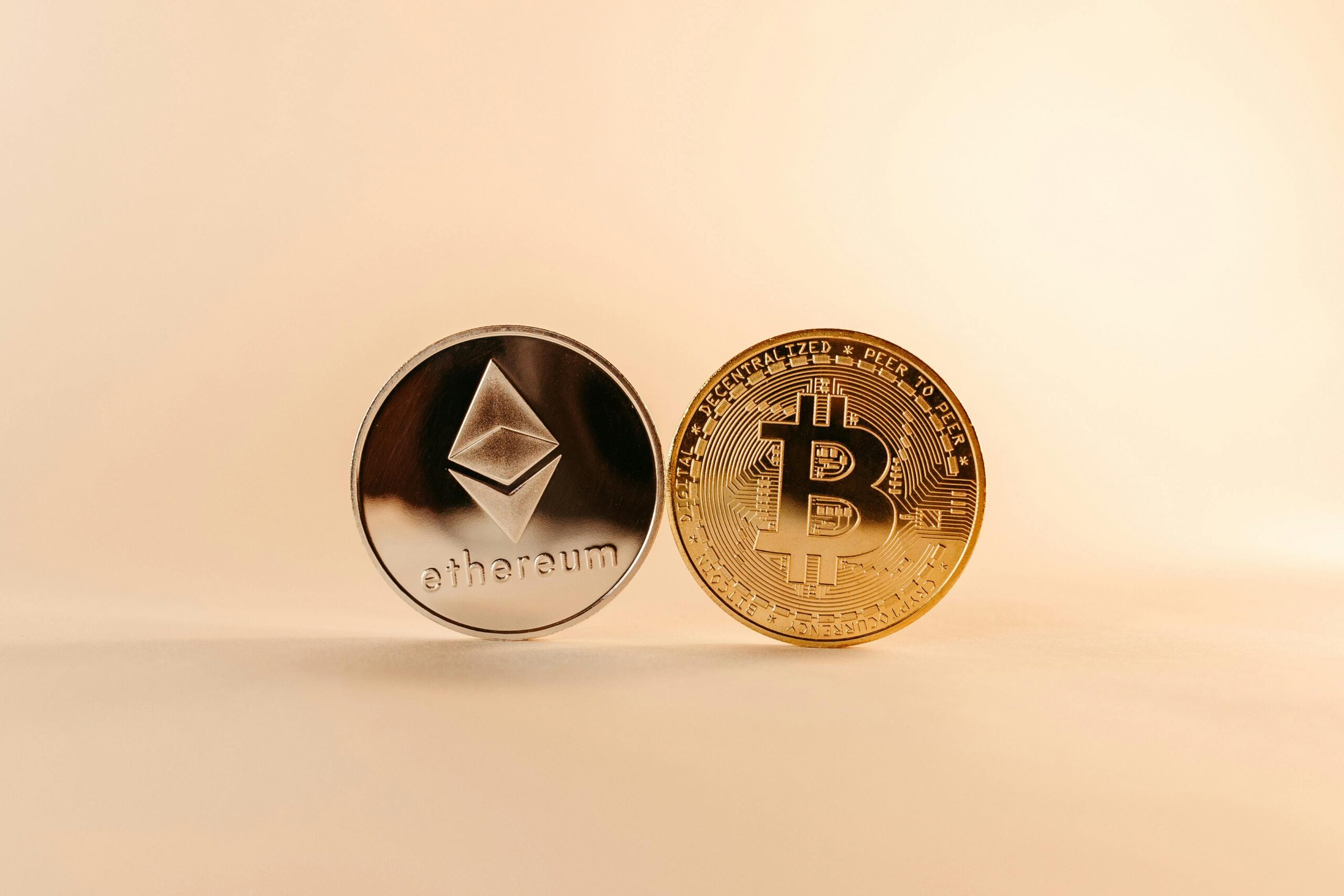
At their core, NFTs are unique digital certificates of ownership recorded on a blockchain—typically Ethereum, though other networks have emerged. Unlike cryptocurrencies such as Bitcoin, where each unit is interchangeable with another, NFTs are non-fungible, meaning each one is distinct and cannot be exchanged on a one-to-one basis with another.
Think of an NFT as a digital deed or certificate of authenticity. When you purchase an NFT, you’re acquiring verifiable proof that you own a specific digital asset, whether that’s artwork, music, video content, virtual real estate, or even tweets. This ownership is recorded on a public ledger that anyone can verify, creating transparency that was previously impossible in the digital space.
The Technical Foundation That Matters
The blockchain technology underlying NFTs provides several critical features for creative professionals. First, it establishes immutable records—once something is recorded on the blockchain, it cannot be altered or deleted. This creates an unbroken chain of custody from the creator to each subsequent owner, solving the provenance problem that has plagued digital art and collectibles.
Second, smart contracts embedded in NFTs can automatically execute terms agreed upon by creators and buyers. This means artists can program royalties into their work, receiving a percentage every time their NFT is resold on secondary markets—something traditional art markets have struggled to implement effectively.
💼 Transforming Creative Business Models
The introduction of NFTs has fundamentally altered how creative professionals can monetize their work. Traditional models often involved intermediaries—galleries, record labels, publishers, or platforms—each taking their share before compensation reached the creator. NFTs enable direct relationships between creators and collectors, potentially revolutionizing the economics of creative work.
Visual artists have been among the earliest and most enthusiastic adopters. Digital artists who previously struggled to sell their work in a market that prioritized physical objects have found NFT marketplaces to be game-changing. Artists like Beeple, who sold an NFT for $69 million at Christie’s, represent extreme examples, but thousands of creators are building sustainable incomes through NFT sales.
Musicians Reclaiming Control
The music industry has been particularly ripe for NFT disruption. Musicians have long complained about unfair streaming compensation, with artists receiving fractions of a cent per stream. NFTs offer alternative models where musicians can sell directly to fans—whether that’s unique recordings, exclusive experiences, or ownership stakes in their music rights.
Bands and solo artists are experimenting with NFT-based album releases, limited edition tracks, and tokenized concert tickets that can include backstage access or lifetime perks. These models create stronger connections between artists and fans while ensuring creators capture more value from their work.
Practical Applications Across Creative Sectors
The creative industries encompass diverse fields, and NFT applications vary accordingly. Understanding these specific use cases helps clarify how this technology serves different creative disciplines:
- Digital Art and Illustration: Artists mint original works or limited editions, maintaining scarcity in digital formats while proving authenticity.
- Photography: Photographers sell exclusive rights to images, create limited print runs, or offer collectors first access to new work.
- Fashion and Design: Digital fashion items for virtual worlds, augmented reality experiences, and physical items with NFT certificates of authenticity.
- Gaming and Virtual Worlds: In-game assets, character skins, virtual land, and items that players truly own and can trade freely.
- Publishing and Writing: Tokenized books, exclusive content access, serialized fiction where collectors own chapters, and digital collectible editions.
- Film and Animation: Funding mechanisms through NFT sales, collector’s editions with behind-the-scenes content, and fractional ownership in productions.
🌐 Building Communities Through Ownership
Beyond simple transactions, NFTs facilitate new forms of community building and engagement. When collectors purchase an NFT, they’re often buying into a community of like-minded individuals who share appreciation for a creator’s work. This creates network effects that benefit both creators and collectors.
Many successful NFT projects include holder benefits—exclusive access to future drops, membership in private communities, voting rights on project decisions, or real-world events and experiences. These utility aspects transform NFTs from static collectibles into dynamic memberships that evolve over time.
The Social Token Economy
Some creators are taking community building further with social tokens—cryptocurrency tokens that represent participation in a creator’s ecosystem. While distinct from NFTs, social tokens often work alongside them, creating multi-layered engagement models where superfans can invest in creators they believe in and benefit from their success.
Navigating Challenges and Criticisms
Despite the enthusiasm, NFTs face legitimate criticisms and challenges that anyone in the creative industries must understand before diving in. Environmental concerns have been prominent, with critics pointing to the significant energy consumption of blockchain networks, particularly Ethereum’s proof-of-work system. However, Ethereum’s transition to proof-of-stake has dramatically reduced its carbon footprint, and many NFT projects now emphasize sustainability.
Market volatility presents another challenge. NFT prices can fluctuate wildly, and the speculative frenzy of 2021 created unrealistic expectations. Many creators who entered during the peak hype discovered that success requires more than just minting tokens—it demands community building, consistent quality, and strategic marketing.
Copyright and Legal Complexities
The legal landscape surrounding NFTs remains murky in many jurisdictions. Questions about what rights transfer with an NFT purchase, how copyright law applies to tokenized works, and what happens when someone mints NFTs of work they don’t own are still being resolved through litigation and regulatory development.
Creators need to be explicit about what buyers receive beyond the token itself. Does purchasing an NFT grant commercial rights? Can the buyer reproduce the image? These terms should be clearly defined, ideally in the smart contract itself or through accompanying legal documents.
🚀 Strategic Approaches for Creators
For creative professionals considering NFTs, strategic thinking is essential. Success requires more than technical knowledge—it demands understanding your audience, choosing appropriate platforms, and building sustainable practices rather than chasing quick profits.
Start by researching platforms that align with your creative discipline and values. OpenSea remains the largest general marketplace, but specialized platforms like Foundation, SuperRare, and Nifty Gateway cater to different audiences and curatorial approaches. Music-focused platforms like Royal and Sound.xyz offer features specifically designed for musicians.
Building Your NFT Strategy
Successful creators typically follow several key principles when entering the NFT space:
- Start with your existing community: Engage current fans and followers rather than expecting instant success with strangers.
- Provide genuine value: Ensure your NFTs offer something meaningful, whether artistic merit, utility, or exclusive access.
- Be consistent: Regular engagement and drops build momentum better than one-off experiments.
- Educate your audience: Many potential collectors need guidance on wallets, gas fees, and purchasing processes.
- Set realistic expectations: Sustainable income beats viral moments that don’t translate to long-term success.
- Understand the economics: Factor in minting costs, platform fees, and gas fees when pricing your work.
Technical Getting Started Guide
The practical steps for entering the NFT space have become more accessible, though they still require some technical literacy. Here’s what creators need to know:
First, you’ll need a cryptocurrency wallet compatible with your chosen blockchain. MetaMask is the most popular option for Ethereum-based NFTs, functioning as both a wallet and gateway to web3 applications. After installing the wallet extension or mobile app, you’ll receive a seed phrase—a critical backup that must be stored securely offline.
Next, you’ll need cryptocurrency to pay for minting and transaction fees. Most platforms accept Ethereum (ETH), which you can purchase through exchanges like Coinbase, Binance, or directly through some wallet applications. Be aware that “gas fees”—transaction costs on the blockchain—fluctuate based on network congestion.
Choosing Your Platform Wisely
Different platforms serve different needs and audiences. OpenSea offers the widest reach and supports multiple blockchains, making it ideal for beginners. Foundation operates on an invite system, creating a curated environment. Rarible emphasizes community governance, allowing token holders to vote on platform decisions. Research each platform’s fee structure, audience demographics, and curation policies before committing.
📊 Measuring Success Beyond Sales
While sales figures grab headlines, sustainable success in the NFT space requires broader metrics. Building a engaged collector base who value your work and participate in your community often matters more than individual high-value sales.
Track metrics like community growth across Discord or social platforms, collector retention rates (how many people collect multiple pieces), secondary market activity, and engagement with your content. These indicators reveal whether you’re building something lasting or experiencing temporary attention.
The Evolving Landscape and Future Directions
The NFT ecosystem continues evolving rapidly, with new use cases and technologies emerging constantly. Dynamic NFTs that change based on external data, phygital experiences combining physical and digital elements, and integration with augmented and virtual reality represent just some of the directions this technology is heading.
Major brands and institutions are also entering the space, bringing legitimacy and broader awareness. Museums are tokenizing collections, fashion houses are creating digital wearables, and entertainment companies are exploring NFT-based fan engagement. This institutional adoption suggests NFTs are becoming normalized rather than remaining niche technology.
Interoperability and the Metaverse Vision
As virtual worlds and metaverse platforms develop, NFTs are positioned to enable true digital ownership across platforms. Imagine owning a digital fashion item that works across multiple virtual environments, or artwork that displays in various metaverse galleries. This interoperability remains largely aspirational but represents the ultimate promise of NFT technology.
🎯 Making NFTs Work for Your Creative Practice
For creators wondering whether NFTs deserve their attention, the answer depends on your goals, audience, and willingness to engage with emerging technology. NFTs aren’t a magic solution to every creative industry challenge, but they offer genuine opportunities for those willing to invest time understanding the ecosystem.
Consider starting small—perhaps with a limited drop to test interest, or by collecting others’ NFTs to understand the experience from a buyer’s perspective. Join communities around projects you admire, learning from successful creators who align with your values and aesthetic.
The most successful NFT creators treat it as one component of a diversified creative practice rather than their entire focus. They maintain presence on traditional platforms, continue producing work through conventional channels, and view NFTs as an additional revenue stream and engagement tool rather than a replacement for everything else.

Embracing Digital Ownership Responsibly
As we navigate this new landscape, responsibility matters. Consider the environmental impact of your choices, selecting energy-efficient blockchains when possible. Be transparent with your community about what they’re purchasing and what rights they receive. Respect intellectual property, only minting work you have rights to create and sell.
The creative industries have always adapted to technological change, and NFTs represent another evolution in that ongoing story. Whether they become the foundational infrastructure for digital ownership or eventually get superseded by new innovations, the underlying principle—that creators deserve fair compensation and verifiable ownership in digital spaces—will endure.
The future of creative work increasingly exists in digital formats, and NFTs offer one pathway toward ensuring creators maintain control, receive appropriate compensation, and build direct relationships with their audiences. By understanding both the opportunities and limitations of this technology, creative professionals can make informed decisions about whether and how to incorporate NFTs into their practice.
The revolution in digital ownership has begun, and creators who take time to understand and thoughtfully engage with these tools position themselves at the forefront of how creative work will be valued, shared, and owned in the decades ahead. The key is approaching with curiosity, skepticism, and strategic thinking—embracing possibilities while remaining grounded in the fundamental value of creative work itself.