Decentralized Autonomous Organizations are reshaping how communities govern themselves, make decisions, and distribute resources without traditional hierarchical structures or centralized control mechanisms.

🚀 The Dawn of Decentralized Governance
The emergence of blockchain technology has catalyzed a fundamental shift in organizational structures. DAOs represent a radical departure from conventional corporate governance, leveraging smart contracts and distributed ledger technology to enable transparent, democratic decision-making processes. These organizations operate according to rules encoded in software rather than enforced by managers or executives.
Traditional organizations rely on hierarchical power structures where authority flows from the top down. In contrast, DAOs distribute power among token holders who vote on proposals affecting the organization’s future. This paradigm shift eliminates many intermediaries, reduces bureaucracy, and empowers stakeholders with direct influence over organizational direction.
The revolutionary potential of DAOs extends beyond simple voting mechanisms. They create ecosystems where participants can coordinate resources, share ownership, and collaborate on projects without geographic limitations or institutional gatekeepers. This fundamental reimagining of organizational structure has attracted entrepreneurs, developers, and innovators seeking alternatives to traditional corporate models.
🔐 Understanding the Technical Foundation
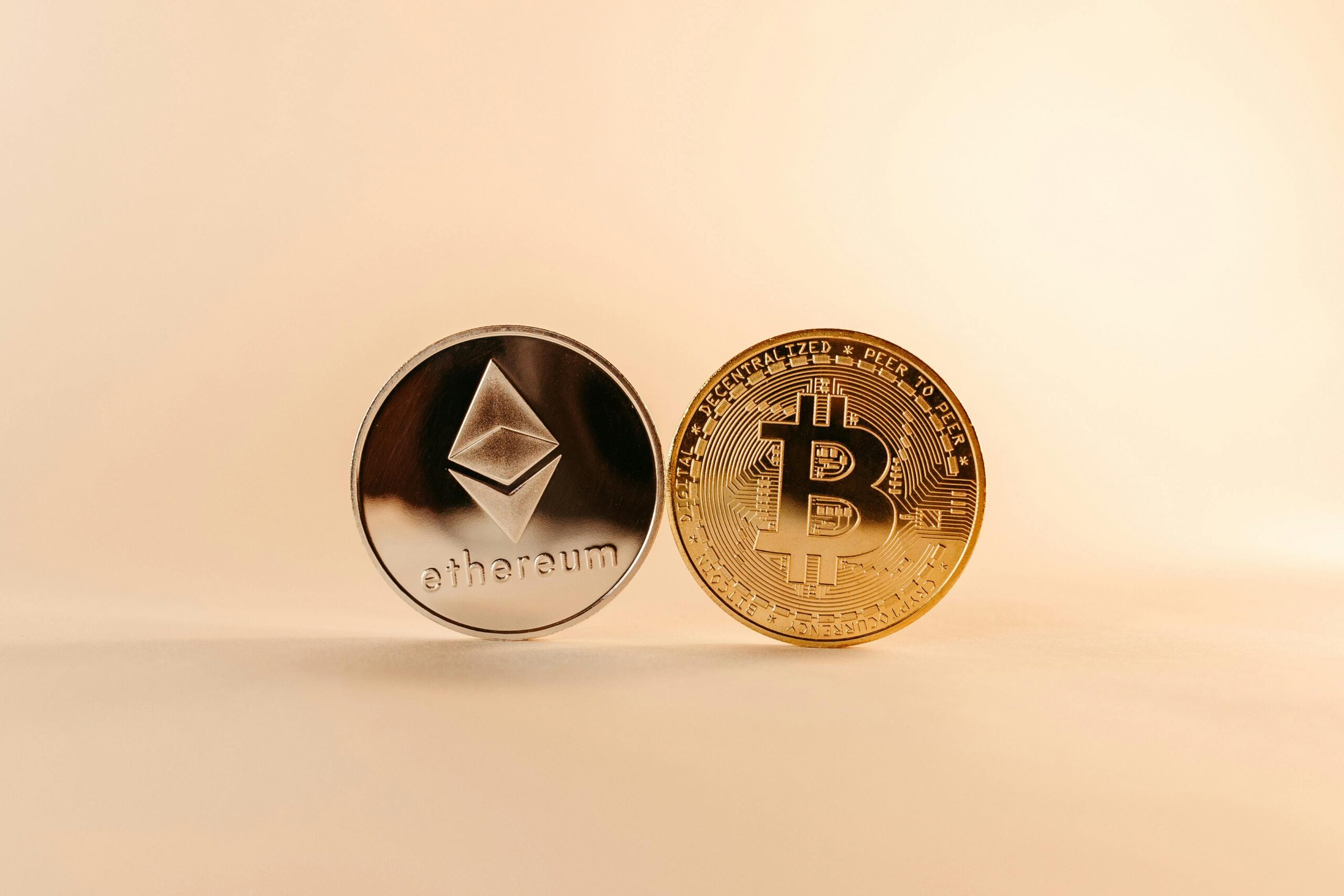
At their core, DAOs operate through smart contracts—self-executing code that runs on blockchain networks like Ethereum. These contracts define the rules governing the organization, including how members join, how voting occurs, and how funds are allocated. Once deployed, these rules become immutable unless modified through proper governance procedures.
The technical architecture of a DAO typically includes several key components working in harmony. Token contracts manage membership and voting rights, treasury contracts hold and distribute funds, and governance contracts process proposals and execute approved actions. This interconnected system operates transparently on the blockchain, where all transactions and decisions remain permanently recorded.
Smart contract security represents perhaps the most critical technical consideration for DAOs. Vulnerabilities in code can lead to catastrophic losses, as demonstrated by historical incidents like the 2016 DAO hack. Modern DAOs invest heavily in security audits, formal verification, and layered security measures to protect member assets and maintain system integrity.
Essential Infrastructure Components
Building a functional DAO requires careful integration of multiple technological layers. The base layer consists of the blockchain network providing security and consensus. Above this sits the smart contract layer encoding organizational rules and logic. User interfaces form the presentation layer, making complex blockchain interactions accessible to non-technical members.
Off-chain components complement on-chain infrastructure by managing communication, coordination, and information storage. Discussion forums, voting platforms, and documentation repositories enable members to deliberate on proposals before casting on-chain votes. These hybrid systems balance decentralization with practical usability requirements.
📊 Governance Models Transforming Decision-Making
DAOs employ diverse governance frameworks tailored to their specific objectives and communities. Token-weighted voting remains the most prevalent model, where voting power corresponds to token holdings. This approach aligns influence with financial stake but raises concerns about plutocracy and wealth concentration.
Alternative governance models address limitations of simple token-weighted systems. Quadratic voting reduces the influence of large token holders by making additional votes increasingly expensive. Reputation-based systems award voting power based on participation, contributions, or expertise rather than pure capital investment. Multi-signature schemes require approval from multiple designated parties before executing critical actions.
Delegation mechanisms enable token holders to assign their voting power to trusted representatives, improving participation rates while maintaining democratic principles. This liquid democracy approach combines elements of direct and representative governance, allowing members to engage at their preferred level of involvement.
Proposal Lifecycles and Execution
The typical DAO proposal follows a structured pathway from ideation to implementation. Members first discuss ideas informally through community channels. Promising concepts advance to formal proposal drafting with detailed specifications, budgets, and success metrics. Proposals then enter voting periods where token holders cast ballots on-chain.
Successful proposals trigger automatic execution through smart contracts when possible. Complex initiatives requiring human action transition to implementation phases overseen by working groups or contributors. This blend of automated and manual execution balances efficiency with flexibility for nuanced tasks.
💡 Real-World Applications Across Industries
DAOs have evolved beyond theoretical concepts into practical applications serving diverse purposes. Protocol DAOs govern decentralized finance platforms, enabling communities to adjust parameters, allocate treasuries, and guide product development. These organizations manage billions in assets while maintaining decentralized control structures.
Investment DAOs pool capital from members to fund startups, purchase assets, or execute trading strategies collectively. These venture groups democratize access to investment opportunities traditionally reserved for wealthy individuals or institutional investors. Members share both risks and returns proportional to their contributions.
Creator DAOs support artists, musicians, and content producers by providing funding, coordinating projects, and managing intellectual property collectively. Social DAOs function as exclusive communities where membership tokens grant access to events, networks, and collaborative opportunities. Service DAOs organize freelance talent pools, matching clients with skilled professionals through decentralized coordination.
Sector-Specific Implementations
Different industries adapt DAO structures to their unique requirements and constraints. Philanthropy DAOs enable transparent charitable giving where donors collectively decide grant recipients and verify impact. Media DAOs coordinate journalistic efforts, with members voting on coverage priorities and funding investigations.
Real estate DAOs fractionally own properties, managing rentals and renovations through collective governance. Gaming guilds operate as DAOs, pooling resources to acquire in-game assets and coordinating player strategies. Research DAOs fund scientific projects, bypassing traditional grant mechanisms while maintaining peer review processes.
⚖️ Navigating Legal and Regulatory Challenges
The legal status of DAOs remains uncertain across most jurisdictions. These organizations challenge traditional legal concepts of corporate personhood, liability, and contractual relationships. Without clear regulatory frameworks, DAOs operate in grey areas that create risks for members and limit mainstream adoption.
Several jurisdictions have begun addressing this regulatory gap. Wyoming enacted legislation recognizing DAOs as limited liability companies, providing legal personality and protecting members from unlimited liability. Vermont, Tennessee, and other states have implemented similar provisions. Internationally, Switzerland and Malta offer frameworks accommodating blockchain-based organizations.
Compliance challenges extend beyond basic legal recognition. Securities regulations potentially classify governance tokens as securities, triggering registration requirements and trading restrictions. Tax treatment remains ambiguous, with questions about entity-level taxation, member distributions, and cross-border transactions. Anti-money laundering regulations create additional obligations that conflict with privacy preferences of some DAO participants.
Strategies for Legal Compliance
Forward-thinking DAOs adopt structures balancing decentralization with legal clarity. Hybrid models establish traditional legal entities that interact with on-chain components, creating liability shields and contractual interfaces. These “wrapped DAOs” maintain governance decentralization while satisfying regulatory requirements.
Progressive decentralization strategies launch projects under traditional structures before gradually transferring control to DAOs as products mature and regulatory environments clarify. This phased approach reduces early-stage legal risks while preserving long-term decentralization goals.
🎯 Participation Dynamics and Community Building
Effective DAOs cultivate engaged communities where members feel invested in collective success. Participation extends beyond voting to include discussions, proposal drafting, working group contributions, and evangelism. Building these vibrant communities requires intentional design and ongoing nurturing.
Token distribution strategies significantly impact participation patterns and governance legitimacy. Concentrated ownership creates governance risks where few parties control outcomes. Broad distribution encourages diverse participation but may lead to voter apathy and low turnout. Balanced approaches combine initial distributions with ongoing reward mechanisms for active contributors.
Communication infrastructure forms the backbone of DAO communities. Discord servers, Telegram groups, and governance forums facilitate discussion and coordination. Regular community calls, working group meetings, and online events maintain momentum and personal connections among distributed members.
Incentivizing Meaningful Engagement
DAOs experiment with mechanisms encouraging quality participation beyond simple vote casting. Contribution tracking systems reward members for proposal creation, security audits, and community support. Retroactive funding distributes rewards after assessing impact rather than speculating on future outcomes.
Educational initiatives onboard new members and deepen understanding of governance processes. Documentation, tutorials, and mentorship programs reduce barriers to participation while improving decision quality. These investments in community capacity building pay dividends through more informed governance and sustained engagement.
🔄 Treasury Management and Financial Operations
DAO treasuries represent one of the most consequential governance responsibilities. These collectively controlled funds finance operations, compensate contributors, and invest in strategic priorities. Effective treasury management balances current needs with long-term sustainability while maintaining transparency and accountability.
Asset allocation strategies vary based on organizational objectives and risk tolerances. Conservative approaches hold stable coins and blue-chip cryptocurrencies, minimizing volatility risks. Aggressive strategies deploy capital into DeFi protocols seeking yield or invest in early-stage projects for growth potential. Diversification across asset classes and strategies reduces concentration risks.
Spending frameworks prevent treasury depletion while funding important initiatives. Budget proposals specify allocations across categories like development, marketing, operations, and grants. Multi-signature requirements and spending limits create checks on treasury access, preventing unauthorized withdrawals or malicious actions.
Financial Transparency and Reporting
Blockchain transparency enables unprecedented visibility into organizational finances. All treasury transactions appear publicly on-chain, allowing members to audit spending and verify appropriate use of funds. Analytics dashboards visualize treasury composition, spending patterns, and financial health metrics in real-time.
Professional financial management enhances accountability and strategic planning. Some DAOs employ treasury managers or engage advisory services providing expertise in asset allocation, risk management, and financial reporting. These professionals operate under community oversight, proposing strategies for member approval rather than exercising unilateral control.
🌍 The Future Landscape of Decentralized Governance
DAO governance continues evolving rapidly as communities experiment with novel mechanisms and learn from successes and failures. Cross-chain governance enables coordination across multiple blockchain networks, expanding possibilities for interoperability and composability. Layer-two solutions address scalability limitations, making on-chain voting more accessible and cost-effective.
Artificial intelligence integration promises to enhance governance quality through improved information synthesis, proposal analysis, and outcome prediction. Privacy-preserving voting technologies protect ballot secrecy while maintaining transparency and verifiability. These technical innovations will unlock new governance capabilities and address current limitations.
Mainstream adoption requires continued maturation of tooling, legal frameworks, and best practices. User experience improvements will make DAO participation accessible to non-technical audiences. Interoperability standards will enable seamless interaction between different DAOs and traditional organizations. Educational efforts will build broader understanding of decentralized governance principles and practices.
Emerging Governance Innovations
Experimental governance mechanisms push boundaries of what’s possible in decentralized coordination. Conviction voting allows continuous preference signaling rather than binary yes/no decisions at fixed times. Futarchy markets use prediction markets to estimate policy outcomes, separating value definition from implementation details.
Nested governance structures create hierarchies of decision-making without centralized control. Sub-DAOs focus on specific domains with delegated authority while remaining accountable to broader communities. These modular approaches balance specialization with democratic oversight.

🎓 Learning from Challenges and Building Resilience
The DAO journey hasn’t been without obstacles and learning opportunities. Low voter turnout plagues many organizations, with critical decisions made by small minorities of token holders. Apathy stems from various causes including complexity, time requirements, and perceived lack of impact from individual votes.
Governance attacks exploit system vulnerabilities where coordinated groups manipulate outcomes through vote buying, proposal spam, or procedural exploitation. Security incidents highlight risks of smart contract bugs, key management failures, and social engineering attacks. These challenges demand continuous vigilance and adaptive defenses.
Resolving disputes within DAOs presents unique challenges without traditional legal recourse. Communities develop informal mediation processes, arbitration mechanisms, and social norms governing conflict resolution. Balancing efficiency with fairness remains an ongoing governance challenge.
Building resilient DAOs requires learning from these challenges while maintaining core principles of decentralization and transparency. Iterative improvement, community education, and technical innovation collectively strengthen governance systems against known and emerging threats. The most successful DAOs embrace experimentation while implementing safeguards protecting members from catastrophic failures.
The power of DAOs lies not in perfection but in their ability to evolve, adapt, and continuously improve through collective intelligence. As governance mechanisms mature and communities develop best practices, decentralized autonomous organizations will increasingly demonstrate viability as alternatives to traditional organizational structures. This revolution in coordination and decision-making represents just the beginning of what’s possible when technology empowers communities to govern themselves effectively and equitably.