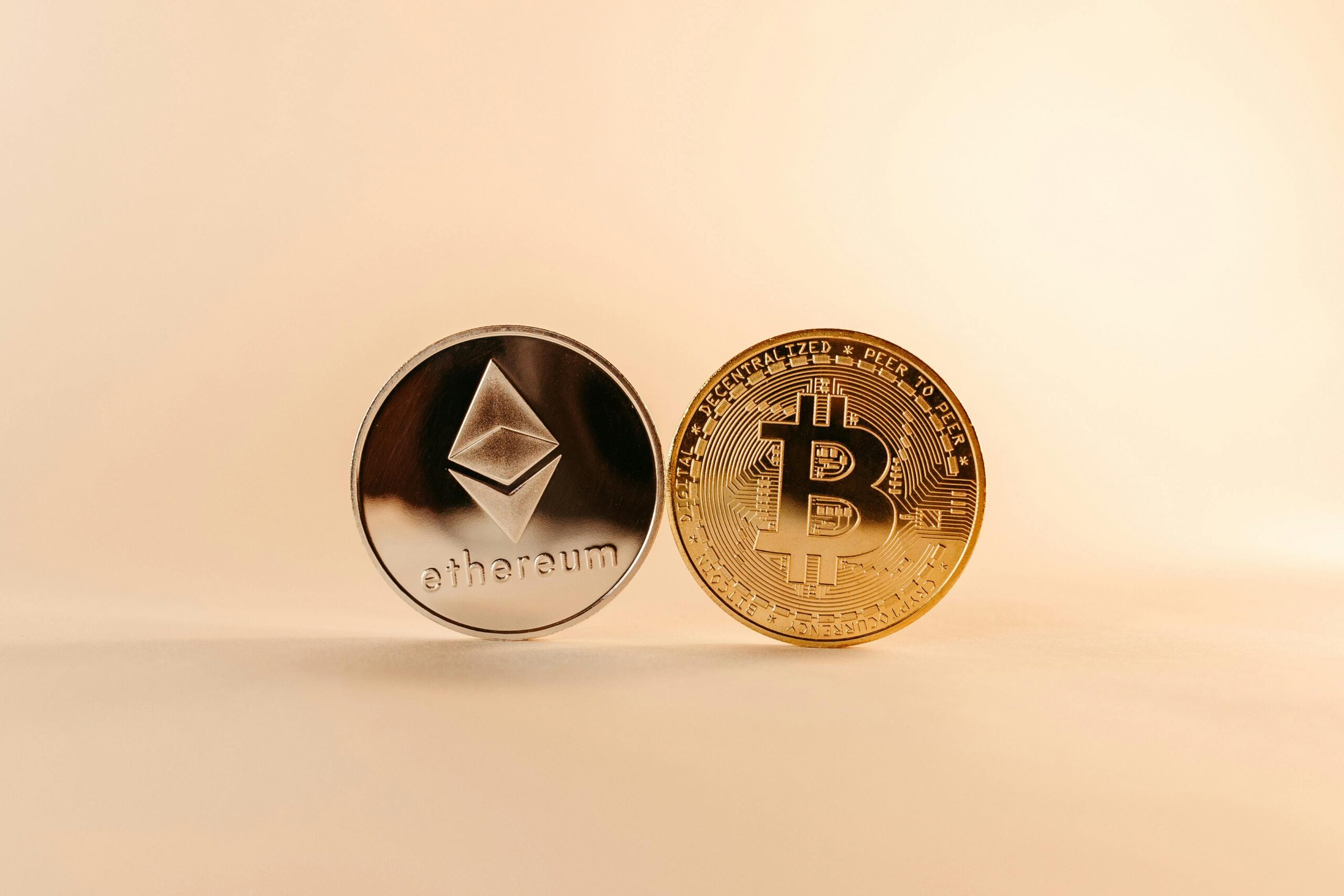
Healthcare is undergoing a digital transformation, and blockchain technology is emerging as a powerful solution to safeguard patient data while revolutionizing medical record management.

🏥 The Critical Challenge of Healthcare Data Management
The healthcare industry generates vast amounts of sensitive data daily, from patient records and diagnostic imaging to prescription histories and insurance claims. Traditional data management systems, however, struggle with fragmentation, vulnerability to breaches, and lack of interoperability between different healthcare providers. These challenges not only compromise patient privacy but also hinder the delivery of quality care.
Medical data breaches have become alarmingly common, with millions of patient records exposed annually. The consequences extend beyond privacy violations, affecting patient trust, financial stability of healthcare organizations, and potentially compromising treatment outcomes. The need for a robust, secure, and transparent system has never been more urgent.
Blockchain technology offers a paradigm shift in how we approach healthcare data management. By creating an immutable, decentralized ledger of transactions, blockchain provides a foundation for secure data sharing while maintaining patient privacy and ensuring data integrity across the entire healthcare ecosystem.
Understanding Blockchain’s Role in Healthcare Security 🔐
Blockchain operates as a distributed ledger technology where data is stored across multiple nodes in a network rather than in a single centralized database. Each block contains a cryptographic hash of the previous block, timestamp, and transaction data, creating an unbreakable chain of information that cannot be altered retroactively without changing all subsequent blocks.
In healthcare contexts, this means that every interaction with patient data—whether it’s a doctor updating medical records, a pharmacy dispensing medication, or an insurance company processing a claim—is recorded as a transaction on the blockchain. This creates an audit trail that is transparent, verifiable, and tamper-proof.
The decentralized nature of blockchain eliminates single points of failure that hackers typically exploit in traditional centralized systems. Instead of attacking one vulnerable database, malicious actors would need to compromise the majority of nodes in the network simultaneously—a virtually impossible task with properly implemented blockchain networks.
Cryptographic Protection: The Foundation of Blockchain Security
Blockchain employs advanced cryptographic techniques to ensure data security. Public-key cryptography allows patients to maintain control over their medical records through private keys while enabling authorized healthcare providers to access necessary information using public keys. This cryptographic framework ensures that only authorized parties can view or modify specific data.
Hash functions create unique digital fingerprints for each block of data. Even the slightest alteration to the original data would produce a completely different hash, immediately alerting the network to potential tampering. This mechanism guarantees data integrity and makes unauthorized modifications instantly detectable.
Transforming Patient Data Ownership and Access 👤
One of blockchain’s most revolutionary aspects in healthcare is the shift in data ownership. Traditional systems often leave patients disconnected from their own medical information, scattered across various providers with limited visibility or control. Blockchain empowers patients to become true custodians of their health data.
Through blockchain-based health information systems, patients can grant and revoke access to their medical records in real-time. A patient might allow their primary care physician continuous access while granting temporary access to a specialist for a specific consultation. Emergency responders could be given critical access during emergencies, all while maintaining a complete audit trail of who accessed what information and when.
This patient-centric approach not only enhances privacy but also improves care coordination. When patients change healthcare providers or seek second opinions, their complete medical history can be seamlessly shared with appropriate authorization, eliminating redundant tests and reducing medical errors caused by incomplete information.
Interoperability: Breaking Down Data Silos
Healthcare systems worldwide suffer from interoperability challenges. Different hospitals, clinics, and laboratories often use incompatible electronic health record (EHR) systems that cannot communicate effectively. Blockchain provides a universal framework for data exchange that transcends these technical barriers.
By establishing common standards for data formatting and sharing protocols, blockchain enables seamless information flow between disparate healthcare systems. A patient’s laboratory results from one facility can be instantly and securely shared with specialists at another institution, regardless of the underlying EHR systems they use.
Enhancing Clinical Trials and Research Integrity 🔬
Clinical trials are the backbone of medical advancement, yet they face persistent challenges related to data manipulation, lack of transparency, and difficulties in patient recruitment. Blockchain technology addresses these issues by providing an immutable record of trial protocols, patient consent, and research data.
When trial protocols are recorded on a blockchain, any subsequent changes become immediately visible, preventing the manipulation of endpoints or selective reporting of results. This transparency enhances the credibility of clinical research and helps identify fraudulent studies more quickly.
Patient recruitment for clinical trials can also benefit from blockchain systems that match eligible participants with appropriate studies while maintaining privacy. Patients can share de-identified health information with research organizations, receiving notifications about trials they qualify for without exposing their personal identities until they choose to participate.
Smart Contracts: Automating Compliance and Consent
Smart contracts are self-executing agreements with terms written directly into code. In clinical research, these can automate consent management, ensuring that patient data is only used within the scope of their agreed permissions. If a patient withdraws consent, smart contracts can automatically revoke access to their data across all connected systems.
These automated protocols also ensure regulatory compliance by embedding requirements directly into the data-sharing process. HIPAA regulations in the United States, GDPR requirements in Europe, and other privacy laws can be programmatically enforced, reducing the risk of accidental violations.
Supply Chain Transparency and Drug Authentication 💊
Counterfeit medications represent a significant global health threat, costing lives and undermining trust in healthcare systems. The World Health Organization estimates that up to 10% of medicines in low and middle-income countries are substandard or falsified. Blockchain offers a solution through end-to-end supply chain visibility.
By recording every transaction in the pharmaceutical supply chain—from manufacturing through distribution to final dispensing—blockchain creates an unbroken chain of custody for medications. Each package can be assigned a unique identifier that is tracked at every stage, making it virtually impossible for counterfeit drugs to enter the legitimate supply chain undetected.
Pharmacists and patients can verify medication authenticity by scanning codes that reference blockchain records, confirming that their medication originated from legitimate manufacturers and followed proper handling protocols. This verification process takes seconds but provides invaluable assurance of drug quality and safety.
Cold Chain Management for Sensitive Medications
Many medications, particularly biologics and vaccines, require strict temperature control throughout the supply chain. Blockchain integrated with IoT sensors can automatically record temperature data at regular intervals, creating an immutable record of storage conditions. If temperature excursions occur, the affected products can be automatically flagged and prevented from reaching patients.
Insurance Claims and Billing Efficiency 💰
Healthcare billing is notoriously complex, with multiple parties involved in each transaction and significant potential for errors, delays, and fraud. Blockchain streamlines this process by creating a single source of truth that all parties—providers, insurers, and patients—can reference.
When a healthcare service is provided, the details are recorded on the blockchain with cryptographic proof. Insurance claims can be automatically generated and verified against policy terms encoded in smart contracts, dramatically reducing processing times from weeks to minutes in many cases.
This automation reduces administrative costs significantly. Estimates suggest that blockchain implementation in healthcare billing could save the industry billions of dollars annually by eliminating redundant verification processes, reducing claim denials due to errors, and preventing fraudulent claims more effectively.
Reducing Healthcare Fraud Through Transparency
Healthcare fraud costs systems worldwide hundreds of billions of dollars each year. Common schemes include billing for services never rendered, upcoding procedures, and identity theft. Blockchain’s transparency and immutability make such fraud much more difficult to perpetrate and easier to detect.
Every service must be cryptographically verified by both provider and patient, creating a permanent record that can be audited. Patterns of fraudulent behavior become more apparent when all transactions are visible on a transparent ledger, enabling earlier detection and intervention.
Real-World Implementation: Challenges and Solutions 🌍
Despite blockchain’s tremendous potential, implementing it in healthcare faces several practical challenges. Legacy system integration remains a significant hurdle, as most healthcare organizations operate with decades-old infrastructure that wasn’t designed to interface with blockchain networks.
Scalability concerns also persist. Healthcare systems generate enormous data volumes, and blockchain networks must be able to process transactions quickly enough to support real-time clinical operations. First-generation blockchain platforms often lack the throughput necessary for healthcare applications, though newer solutions are addressing these limitations.
Regulatory uncertainty presents another obstacle. Healthcare is heavily regulated, and blockchain implementations must navigate complex legal frameworks that weren’t written with this technology in mind. Clear guidance from regulatory bodies is essential for widespread adoption.
Building Consensus Among Stakeholders
Perhaps the most significant challenge is achieving consensus among the diverse healthcare stakeholders who must participate for blockchain systems to deliver their full value. Hospitals, insurers, pharmaceutical companies, regulators, and patients all have different priorities and concerns that must be addressed.
Successful implementations require collaborative governance models that give all stakeholders appropriate input while maintaining technical efficiency. Industry consortia and pilot programs are demonstrating that such collaboration is possible when stakeholders recognize their shared interest in improved data security and system efficiency.
The Future Landscape: AI Integration and Personalized Medicine 🚀
The convergence of blockchain with artificial intelligence and machine learning promises even greater transformations in healthcare. Blockchain provides secure, verified data that AI algorithms can analyze to identify patterns, predict disease outbreaks, and personalize treatment recommendations.
In precision medicine, blockchain can securely store genomic data while allowing researchers to access de-identified information for analysis. Patients can monetize their genetic information by granting access to pharmaceutical companies developing targeted therapies, receiving compensation through blockchain-based tokens while maintaining control over their data.
Telemedicine platforms built on blockchain infrastructure can ensure the integrity of remote consultations, secure transmission of diagnostic images, and seamless integration with existing medical records. As healthcare becomes increasingly digital, blockchain provides the trust layer necessary for these virtual interactions to function effectively.
Decentralized Health Networks
Looking further ahead, we may see the emergence of truly decentralized health networks where individuals, providers, and researchers interact peer-to-peer without intermediary institutions controlling access to data or services. Such networks could democratize healthcare access, particularly benefiting underserved populations who currently lack connections to traditional healthcare systems.
Making the Transition: Steps for Healthcare Organizations 📋
Healthcare organizations considering blockchain adoption should approach implementation strategically. Starting with pilot programs in specific use cases—such as credentialing, consent management, or supply chain tracking—allows organizations to demonstrate value while building expertise and stakeholder buy-in.
Choosing the right blockchain platform is critical. Private or permissioned blockchains may be more appropriate for healthcare applications than public blockchains, offering greater control over access while maintaining the core benefits of immutability and transparency within the authorized network.
Education and training are essential components of successful implementation. Healthcare professionals, administrators, and IT staff must understand both the capabilities and limitations of blockchain technology to use it effectively and identify appropriate applications.
Partnerships with technology vendors who specialize in healthcare blockchain solutions can accelerate implementation and reduce risks. These specialists understand the unique regulatory requirements, security considerations, and workflow integrations necessary for healthcare applications.
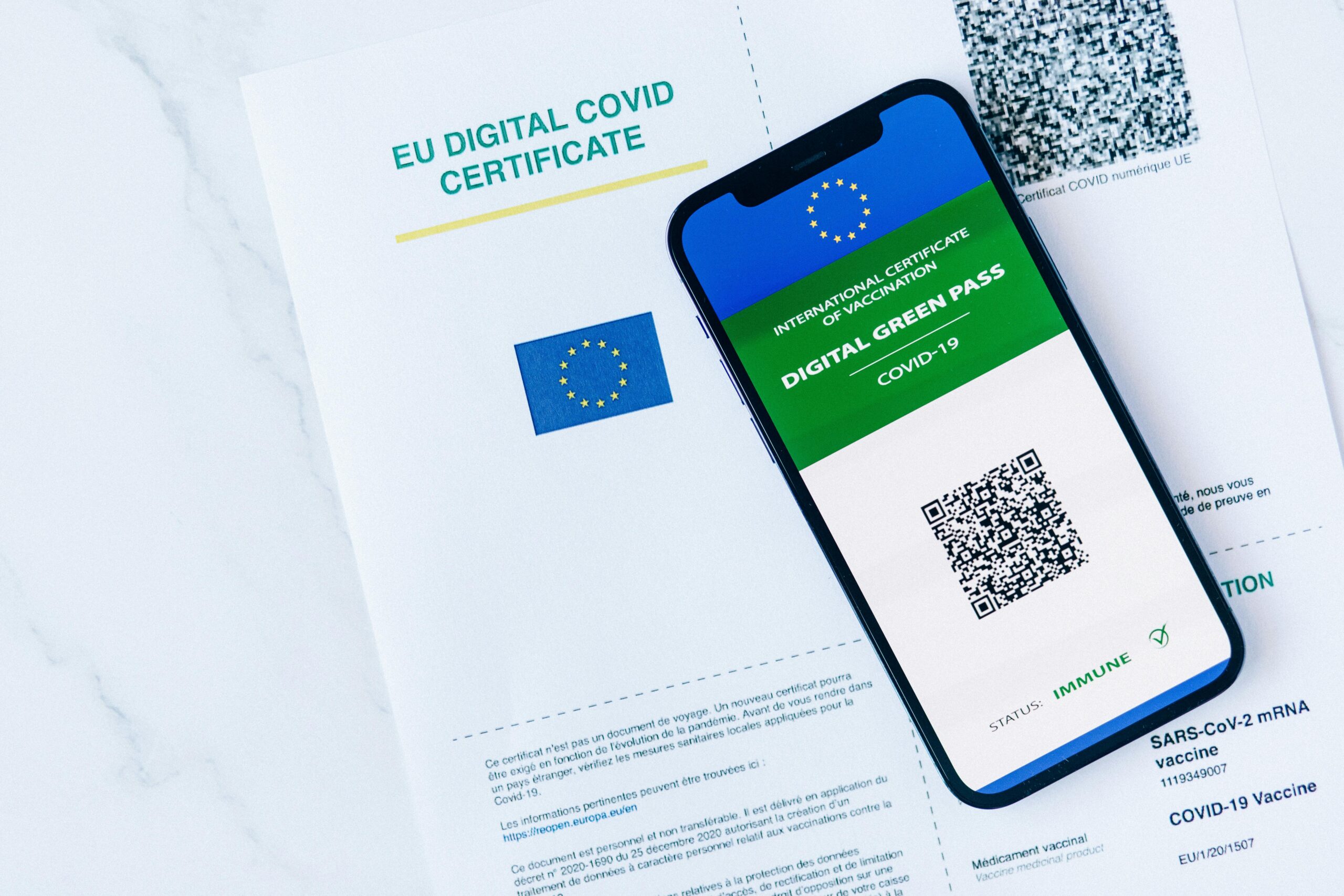
Empowering Patients in the Digital Health Revolution 🌟
As blockchain transforms healthcare infrastructure, patients stand to benefit most profoundly. The technology shifts power dynamics, placing individuals at the center of their healthcare journey with unprecedented control over their medical information and greater transparency in treatment and billing.
This empowerment extends beyond privacy and access. Blockchain enables patients to contribute to medical research on their own terms, potentially receiving compensation for their data contributions. It facilitates truly informed consent by providing clear, verifiable records of what data is shared with whom and for what purposes.
The digital health revolution powered by blockchain is not a distant future—it is happening now. Forward-thinking healthcare organizations worldwide are implementing blockchain solutions, demonstrating improved security, efficiency, and patient satisfaction. As these implementations mature and scale, the entire healthcare ecosystem will benefit from greater trust, reduced costs, and ultimately, better health outcomes for all.
The journey toward blockchain-enabled healthcare requires collaboration, investment, and persistence, but the destination—a healthcare system that is more secure, transparent, efficient, and patient-centered—is worth the effort. As we navigate the complexities of digital transformation, blockchain stands out as a foundational technology that can restore trust in an era of increasing data vulnerability and make the promise of truly integrated, personalized healthcare a reality.