The energy sector is undergoing a profound transformation, driven by innovative technologies that promise to reshape how we generate, distribute, and consume electricity in the 21st century.

🌐 The Dawn of a New Energy Era
For over a century, the electrical grid has operated on a relatively simple principle: large centralized power plants generate electricity that flows in one direction to consumers through an extensive network of transmission and distribution lines. This traditional model, while effective for its time, is increasingly struggling to meet the demands of modern society, environmental imperatives, and the urgent need for resilience against climate-related disruptions.
Today, we stand at the threshold of an energy revolution. Smart grids and decentralized energy systems are not merely incremental improvements to existing infrastructure—they represent a fundamental reimagining of how energy systems can and should function. These technologies are enabling a transition from passive energy consumption to active participation in energy markets, from fossil fuel dependence to renewable integration, and from centralized vulnerability to distributed resilience.
⚡ Understanding Smart Grids: Intelligence Meets Infrastructure
Smart grids represent the integration of advanced digital technology with traditional electrical infrastructure. Unlike conventional grids that operate with limited real-time information, smart grids employ sensors, meters, digital controls, and analytical tools to gather and act on information about the behavior of suppliers and consumers in an automated fashion.
The Core Components of Smart Grid Technology
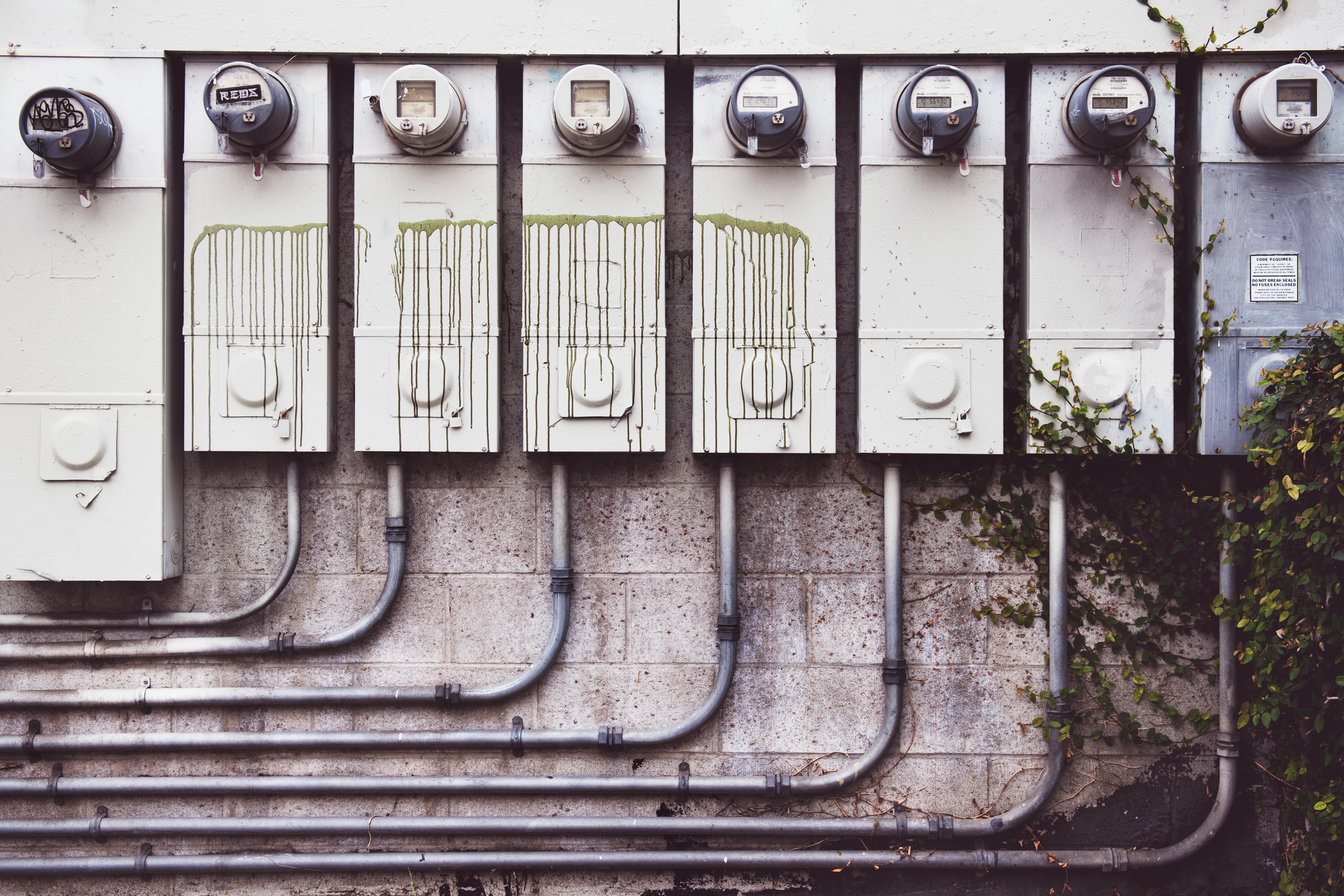
At the heart of smart grid functionality are several interconnected technologies working in harmony. Advanced metering infrastructure (AMI) provides two-way communication between utilities and consumers, enabling real-time monitoring of energy usage patterns. Smart meters replace traditional analog meters, offering granular data about consumption that empowers both utilities and consumers to make informed decisions.
Distribution automation systems enhance grid reliability by detecting and isolating faults automatically, often rerouting power before consumers even notice an interruption. These systems dramatically reduce outage durations and improve overall service quality. Meanwhile, energy management systems analyze vast amounts of data to optimize grid operations, predict maintenance needs, and balance supply with demand more effectively than ever before.
Real-Time Data: The Game Changer
Perhaps the most transformative aspect of smart grids is their ability to process and respond to real-time data. Traditional grids operate largely blind to moment-by-moment conditions, adjusting only when problems become severe enough to trigger alerts. Smart grids, conversely, continuously monitor millions of data points across the network, enabling predictive rather than reactive management.
This data-driven approach yields multiple benefits. Utilities can identify inefficiencies, predict equipment failures before they occur, and optimize energy flows to minimize losses. Consumers gain visibility into their energy usage patterns, enabling them to adjust behavior and reduce costs. Grid operators can integrate variable renewable energy sources more effectively, balancing intermittent solar and wind generation with storage and demand response programs.
🏘️ Decentralized Energy: Power to the People
While smart grids add intelligence to existing infrastructure, decentralized energy systems fundamentally alter the topology of energy generation and distribution. Instead of relying exclusively on large, centralized power plants, decentralized systems incorporate numerous smaller generation sources distributed throughout the grid.
The Rise of Distributed Energy Resources
Distributed energy resources (DERs) encompass a diverse array of technologies deployed at or near the point of consumption. Rooftop solar panels have become the most visible example, with installations proliferating on residential, commercial, and industrial buildings worldwide. These systems transform energy consumers into “prosumers”—entities that both produce and consume electricity.
Beyond solar, DERs include small-scale wind turbines, combined heat and power systems, fuel cells, and increasingly, battery energy storage systems. Each technology offers unique advantages depending on local conditions, energy needs, and economic factors. Together, they create a more resilient and flexible energy ecosystem.
Microgrids: Self-Sufficient Energy Communities
Microgrids represent an advanced form of energy decentralization, capable of operating independently from the main grid when necessary. These localized networks integrate various generation sources, storage systems, and intelligent controls to serve specific geographic areas such as campuses, military bases, hospitals, or neighborhoods.
The resilience benefits of microgrids became dramatically apparent during recent natural disasters. When hurricanes, wildfires, or extreme weather events damaged central grid infrastructure, communities with microgrids maintained power for critical facilities. This capability is increasingly valued as climate change intensifies weather extremes and grid vulnerabilities.
🔋 Energy Storage: The Missing Link
The proliferation of renewable energy sources like solar and wind presents a fundamental challenge: their generation doesn’t always align with consumption patterns. The sun doesn’t shine at night, and wind doesn’t blow on demand. Energy storage technologies, particularly batteries, provide the crucial solution to this intermittency problem.
Lithium-ion batteries, driven by advances in electric vehicle technology, have seen dramatic cost reductions and performance improvements. Grid-scale battery installations now provide multiple services: storing excess renewable energy for later use, providing frequency regulation to maintain grid stability, and offering backup power during outages.
Behind-the-meter storage systems installed at homes and businesses add another dimension. These systems enable consumers to optimize their energy usage by charging during off-peak hours when electricity is cheaper and discharging during peak periods. They also provide backup power and can participate in grid services programs, creating new revenue opportunities for owners.
🌍 Environmental and Economic Imperatives
The transition to smart grids and decentralized energy isn’t merely a technological evolution—it’s an environmental and economic necessity. Climate change demands rapid decarbonization of energy systems, a goal that centralized fossil fuel infrastructure cannot achieve alone.
Accelerating Renewable Energy Integration
Smart grids facilitate higher penetrations of renewable energy than traditional infrastructure can accommodate. Advanced forecasting algorithms predict solar and wind generation with increasing accuracy, allowing grid operators to prepare for variability. Demand response programs can shift flexible loads to times when renewable generation is abundant, maximizing clean energy utilization.
Decentralized systems complement this integration by distributing renewable generation across numerous locations, smoothing out local weather variations through geographic diversity. When solar generation drops in one area due to cloud cover, it may remain strong elsewhere, reducing overall system variability.
Economic Benefits Beyond Carbon Reduction
The economic advantages of these technologies extend beyond environmental benefits. Decentralized generation reduces the need for expensive transmission infrastructure upgrades, particularly in rapidly growing areas. Energy storage defers or eliminates the need for “peaker” plants—expensive facilities that operate only during high-demand periods.
For consumers, smart grid technologies enable participation in dynamic pricing programs that reward flexible consumption patterns. Businesses can reduce demand charges by managing peak loads more effectively. Communities can retain more energy spending locally rather than sending it to distant utilities and fuel suppliers.
⚙️ Overcoming Implementation Challenges
Despite their promise, smart grids and decentralized energy systems face significant implementation challenges that must be addressed for widespread adoption.
Infrastructure Investment and Regulatory Frameworks
Upgrading existing grid infrastructure requires substantial capital investment. While smart grid technologies ultimately reduce costs and improve efficiency, the upfront expenses can be daunting, particularly for utilities operating under traditional regulatory models that don’t incentivize innovation.
Regulatory frameworks developed for centralized generation models often struggle to accommodate decentralized resources. Issues around grid connection standards, compensation for distributed generation, and market participation rules for energy storage remain contentious in many jurisdictions. Progressive regulatory reform is essential to unlock the full potential of these technologies.
Cybersecurity in an Interconnected Grid
As grids become more digital and interconnected, cybersecurity emerges as a critical concern. The same communication networks that enable smart grid functionality also create potential vulnerabilities. A successful cyberattack on grid infrastructure could have devastating consequences, making robust security measures non-negotiable.
Addressing these concerns requires multi-layered security approaches, including encryption, network segmentation, continuous monitoring, and regular security audits. Industry standards and information sharing among utilities help strengthen collective defenses against evolving threats.
Digital Divide and Equity Considerations
The benefits of smart grids and decentralized energy risk being distributed unevenly across society. Low-income communities may lack access to capital for solar installations or energy storage systems, potentially missing out on economic benefits while bearing the costs of grid modernization through rate increases.
Addressing these equity concerns requires intentional policy design, including financing mechanisms for underserved communities, community solar programs that enable participation without rooftop installations, and ensuring that grid modernization benefits are broadly shared.
🚀 Innovation Frontiers: What’s Next?
The transformation of energy systems continues to accelerate, with emerging technologies promising even greater capabilities.
Artificial Intelligence and Machine Learning
Artificial intelligence is increasingly being deployed to optimize grid operations with superhuman speed and accuracy. Machine learning algorithms can predict equipment failures, optimize energy trading, forecast renewable generation, and coordinate millions of distributed resources more effectively than traditional control systems.
AI-powered virtual power plants aggregate numerous small resources—rooftop solar, batteries, smart thermostats—and coordinate them to function as a single, flexible power plant. This capability enables distributed resources to provide grid services previously available only from large centralized facilities.
Blockchain and Peer-to-Peer Energy Trading
Blockchain technology enables secure, transparent peer-to-peer energy transactions without centralized intermediaries. In pilot projects worldwide, neighbors with solar panels sell excess generation directly to neighbors without solar, creating local energy markets that keep value within communities.
While still in early stages, these systems could fundamentally reshape energy market structures, enabling truly decentralized energy ecosystems where consumers have unprecedented control and choice.
Vehicle-to-Grid Integration
As electric vehicles proliferate, their batteries represent enormous distributed storage capacity. Vehicle-to-grid (V2G) technology enables electric vehicles to discharge power back to the grid during peak demand periods, providing grid services while generating revenue for vehicle owners.
This bidirectional flow transforms transportation electrification from a grid challenge into a grid asset, potentially eliminating the need for significant additional storage infrastructure as EV adoption scales.
🌟 Powering a Resilient, Sustainable Future
The convergence of smart grid intelligence and decentralized energy resources represents more than technological advancement—it embodies a fundamental shift in how humanity relates to energy. These systems democratize energy production, enhance resilience against disruptions, accelerate decarbonization, and create economic opportunities while reducing environmental impact.
The transition won’t happen overnight. Legacy infrastructure, regulatory inertia, and economic interests present formidable obstacles. Yet the trajectory is clear: energy systems are becoming more intelligent, distributed, clean, and resilient. Early adopters are already reaping benefits, from reduced energy costs to improved reliability to environmental leadership.
For policymakers, the imperative is to create regulatory frameworks that facilitate rather than hinder this transition, ensuring that benefits are equitably distributed while maintaining grid reliability and security. For utilities, the challenge is to evolve business models from commodity sellers to platform providers, facilitating energy transactions and services in increasingly complex ecosystems.
For consumers and communities, the opportunity is to become active participants in energy systems rather than passive recipients, making choices that align with values while potentially generating economic returns. The future energy landscape will be shaped not by a handful of centralized actors but by millions of distributed decisions enabled by intelligent, interconnected systems.
As climate imperatives grow more urgent and technology capabilities expand, smart grids and decentralized energy systems will continue revolutionizing how we power civilization. This revolution promises not just cleaner energy, but more resilient, equitable, and efficient systems capable of meeting 21st-century challenges while laying foundations for sustainable prosperity. The future of energy is being built today, one smart meter, solar panel, and battery at a time—and it looks dramatically different from the past.