
The world stands at a critical juncture where energy choices made today will determine the livability of our planet for generations to come. 🌍

Climate change, resource depletion, and environmental degradation have pushed global energy transition from a distant aspiration to an urgent necessity. The shift from fossil fuels to renewable energy sources represents one of humanity’s most ambitious undertakings, requiring coordinated efforts across governments, industries, and communities worldwide. This transformation isn’t merely about switching power sources; it encompasses reimagining how we produce, distribute, and consume energy while ensuring economic prosperity and social equity.
The global energy landscape is undergoing a fundamental restructuring as nations commit to ambitious sustainability goals. From the Paris Agreement’s temperature targets to the United Nations Sustainable Development Goals, international frameworks are driving unprecedented investment in clean energy infrastructure. Solar panels blanket rooftops across continents, wind turbines dot horizons from Texas to Tasmania, and electric vehicles increasingly dominate automotive showrooms. Yet the journey toward a sustainable energy future remains complex, fraught with technical challenges, economic considerations, and political obstacles that demand innovative solutions and unwavering commitment.
The Urgent Case for Energy Transformation ⚡
The scientific consensus is unequivocal: human activities, primarily burning fossil fuels, have warmed the planet approximately 1.1°C above pre-industrial levels. This warming has triggered cascading effects across ecosystems, weather patterns, and human settlements. Extreme weather events have intensified in frequency and severity, from devastating wildfires in Australia and California to catastrophic flooding in Europe and Asia. The economic costs of climate-related disasters now exceed hundreds of billions of dollars annually, not to mention the immeasurable human suffering involved.
Fossil fuels currently supply roughly 80% of global primary energy demand, releasing approximately 36 billion tons of carbon dioxide annually. To limit warming to 1.5°C above pre-industrial levels—the threshold scientists warn we must not cross to avoid catastrophic impacts—global emissions must decline by about 45% by 2030 and reach net-zero by 2050. This timeline demands immediate, large-scale action across all sectors of the economy.
Beyond climate imperatives, energy security concerns have intensified the transition momentum. Recent geopolitical tensions have exposed the vulnerability of nations dependent on imported fossil fuels. Countries investing in domestic renewable energy capacity gain strategic autonomy, insulating their economies from volatile international energy markets. This dual motivation—environmental necessity and energy independence—creates powerful incentives for accelerating sustainable energy deployment.
Renewable Energy Technologies Leading the Charge 🔋
Solar photovoltaic technology has experienced extraordinary growth, with costs plummeting over 90% in the past decade. What was once an expensive niche technology has become the cheapest source of electricity in history for many regions. Large-scale solar farms now generate power at prices below fossil fuel alternatives, while distributed rooftop installations empower households and businesses to become energy producers. Innovations in solar panel efficiency, energy storage integration, and installation techniques continue advancing rapidly.
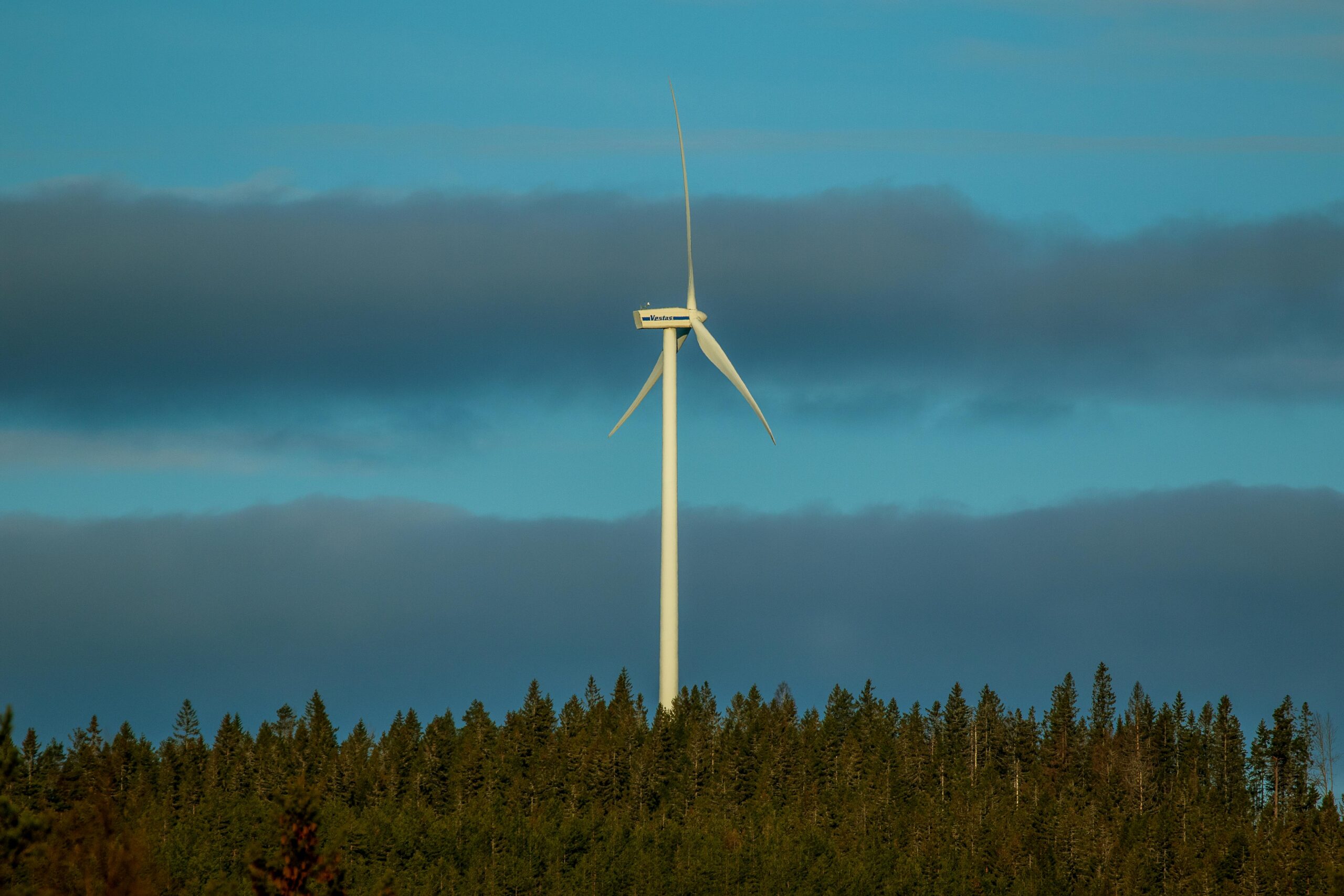
Wind energy has similarly matured into a mainstream power source, with both onshore and offshore installations scaling dramatically. Modern wind turbines stand taller and generate more power than their predecessors, with offshore wind farms in particular offering immense potential. Floating wind technology promises to unlock deep-water locations with stronger, more consistent winds, potentially revolutionizing energy generation for coastal nations worldwide.
Hydroelectric power remains the largest renewable electricity source globally, providing flexible, dispatchable power that complements intermittent solar and wind generation. While large dam projects raise environmental and social concerns, run-of-river hydro and modernization of existing facilities offer pathways for expanding this proven technology responsibly.
Emerging technologies like green hydrogen, advanced geothermal systems, and next-generation nuclear reactors promise to fill crucial gaps in the renewable energy portfolio. Green hydrogen, produced using renewable electricity to split water molecules, offers a carbon-free fuel for heavy industry, shipping, and aviation—sectors difficult to electrify directly. Enhanced geothermal systems could tap Earth’s heat in locations previously unsuitable for conventional geothermal power, providing reliable baseload electricity.
Energy Storage: The Missing Puzzle Piece 🔌
The intermittent nature of solar and wind energy presents a fundamental challenge: the sun doesn’t always shine, and the wind doesn’t always blow. Energy storage technologies bridge this gap, capturing excess generation during peak production periods and releasing it when demand exceeds supply. Battery storage has emerged as the leading solution, with lithium-ion technology dominating current deployments due to rapidly declining costs and improving performance metrics.
Grid-scale battery installations are proliferating worldwide, providing multiple services beyond simple energy time-shifting. These systems enhance grid stability, provide backup power during outages, and enable higher penetration of renewable energy sources. Some jurisdictions now require new renewable projects to include storage components, recognizing their essential role in grid reliability.
Beyond batteries, diverse storage approaches are gaining traction. Pumped hydro storage, which moves water between reservoirs at different elevations, accounts for the majority of global energy storage capacity. Compressed air energy storage, thermal storage systems, and innovative gravitational storage concepts offer alternatives suited to different applications and geographies. The storage landscape is diversifying, creating a portfolio of options to meet varying needs across timescales from minutes to seasons.
Grid Modernization and Smart Infrastructure 📊
Traditional electrical grids were designed for one-way power flow from centralized fossil fuel plants to consumers. The renewable energy transition demands bidirectional grids capable of managing millions of distributed generation sources, from rooftop solar panels to wind farms. Smart grid technologies employ advanced sensors, communications networks, and artificial intelligence to optimize power flows in real-time, balancing supply and demand with unprecedented precision.
Digital technologies enable sophisticated demand response programs that adjust electricity consumption patterns to match renewable generation availability. Smart thermostats automatically precool buildings when solar generation peaks, electric vehicle chargers delay charging until wind generation increases overnight, and industrial processes shift operations to capitalize on abundant renewable electricity. These demand-side strategies reduce the need for expensive storage infrastructure while maximizing renewable energy utilization.
Microgrids represent another innovation reshaping energy infrastructure. These localized networks can operate independently from the main grid, enhancing resilience against natural disasters and grid failures. Communities, military bases, universities, and industrial facilities increasingly deploy microgrids combining local renewable generation, storage, and intelligent control systems. This distributed approach complements centralized infrastructure, creating a more robust, flexible energy system.
Transportation Electrification Accelerates 🚗
The transportation sector accounts for approximately one-quarter of global energy-related carbon emissions, making its transformation essential for sustainability goals. Electric vehicles (EVs) have transitioned from novelty to mainstream, with sales growing exponentially year-over-year. Major automakers have committed to phasing out internal combustion engines, investing hundreds of billions of dollars in EV development and production capacity.
Battery technology improvements have addressed early concerns about range and charging times. Modern EVs routinely exceed 300 miles per charge, with fast-charging networks enabling long-distance travel. Total cost of ownership calculations increasingly favor EVs as battery prices decline and fuel savings accumulate. Several countries have announced plans to ban new gasoline and diesel vehicle sales by 2030 or 2035, signaling the transportation sector’s irreversible shift toward electrification.
Beyond passenger vehicles, electrification is expanding into buses, delivery vans, and even heavy trucks. Electric buses operate in cities worldwide, reducing urban air pollution and noise while demonstrating the viability of battery-electric powertrains for commercial applications. Shipping and aviation present greater challenges due to energy density requirements, spurring development of alternative fuels like green hydrogen and sustainable aviation fuels derived from renewable sources.
Industrial Decarbonization: The Next Frontier 🏭
Heavy industries—steel, cement, chemicals—produce approximately one-third of global carbon emissions, yet have received less attention than electricity and transportation sectors. These industries require intense heat and involve chemical processes inherently producing carbon dioxide, making decarbonization technically challenging. However, innovative approaches are emerging to tackle these stubborn emissions sources.
Green hydrogen offers promising pathways for steel production, potentially replacing coal-based processes that have dominated for centuries. Several pilot projects are demonstrating hydrogen-based direct reduced iron production, with plans for commercial-scale facilities advancing. Cement manufacturers are exploring alternative materials, carbon capture technologies, and electric kilns powered by renewable electricity to slash emissions from this ubiquitous construction material.
Circular economy principles are gaining traction across industries, emphasizing material efficiency, recycling, and waste reduction. By minimizing raw material extraction and processing—energy-intensive activities—circular approaches reduce emissions while generating economic value. Industrial symbiosis, where one facility’s waste becomes another’s feedstock, creates efficient, interconnected production ecosystems that minimize environmental impacts.
Financing the Global Energy Transition 💰
Transforming global energy systems requires unprecedented investment, with estimates ranging from $100 trillion to $150 trillion over the coming three decades. While daunting, these figures represent opportunities for economic growth, job creation, and technological innovation. Renewable energy already employs millions worldwide, with employment in clean energy sectors growing faster than fossil fuel industries even before considering accelerated transition scenarios.
Private capital is increasingly flowing toward sustainable energy projects, driven by improving economics, policy support, and growing recognition of climate-related financial risks. Major financial institutions have committed to aligning investment portfolios with net-zero emissions targets, potentially redirecting trillions of dollars from fossil fuels to clean energy. Green bonds, sustainability-linked loans, and dedicated climate funds provide diverse financing mechanisms for energy transition projects.
Public finance remains crucial, particularly for infrastructure investments with long payback periods and projects in developing nations where private capital may be scarce. Multilateral development banks, government grants, and concessional lending programs help derisk investments and make clean energy accessible in contexts where market forces alone prove insufficient. Innovative financing structures like blended finance combine public and private capital, leveraging each source’s strengths to maximize impact.
Policy Frameworks Driving Sustainability Goals 📋
Government policies profoundly influence energy transition speed and direction. Carbon pricing mechanisms—whether through taxes or cap-and-trade systems—internalize emissions’ environmental costs, creating economic incentives for clean energy adoption. Dozens of jurisdictions have implemented carbon pricing, though coverage and price levels vary considerably. Effective carbon pricing provides long-term investment signals while generating revenue that can support further climate action or offset regressive impacts on vulnerable populations.
Renewable energy mandates and targets establish clear expectations, spurring investment and innovation. Many countries and subnational governments have legislated specific renewable energy percentages or emissions reduction targets with binding timelines. These commitments provide certainty for businesses planning long-term investments, accelerating clean energy deployment beyond what market forces alone would achieve.
Regulatory reforms are removing barriers to renewable energy adoption. Streamlined permitting processes reduce project development timelines, updated grid connection standards facilitate distributed generation integration, and reformed electricity markets ensure fair compensation for grid services provided by renewable sources and storage systems. These regulatory adaptations create enabling environments where sustainable energy technologies can compete and thrive.
Social Equity and Just Transition Principles ⚖️
The energy transition must address equity concerns to ensure broad-based support and avoid exacerbating existing inequalities. Fossil fuel-dependent communities face economic disruption as coal mines close and oil demand declines. Just transition frameworks emphasize supporting affected workers and communities through retraining programs, economic diversification initiatives, and social safety nets. Investing in these communities’ futures—rather than abandoning them—builds political coalitions supporting continued climate action.
Energy access remains a pressing global challenge, with hundreds of millions lacking reliable electricity. Sustainable energy technologies, particularly distributed solar with storage, offer pathways to extend electricity access without building expensive centralized infrastructure or locking developing regions into fossil fuel dependence. Off-grid and mini-grid renewable systems are bringing power to remote villages across Africa, Asia, and Latin America, enabling economic development and improving quality of life.
Energy affordability concerns require attention as systems transition. While renewable energy costs have plummeted, transmission infrastructure investments and system integration costs may increase electricity prices in some contexts. Targeted support for low-income households, energy efficiency programs reducing consumption, and community ownership models that share renewable energy benefits can ensure the transition doesn’t burden vulnerable populations disproportionately.
International Cooperation and Knowledge Sharing 🌐
Climate change respects no borders, demanding coordinated international action. The Paris Agreement established a framework for global cooperation, with countries submitting nationally determined contributions outlining emissions reduction plans. While implementation varies, the agreement creates accountability mechanisms and promotes increasingly ambitious climate targets over time. Regular climate conferences provide venues for negotiation, knowledge exchange, and coalition building among nations.
Technology transfer from developed to developing nations accelerates global decarbonization. Many developing countries possess excellent renewable energy resources but lack capital, expertise, and technology to exploit them fully. International partnerships facilitating technology sharing, capacity building, and financial support enable these nations to leapfrog fossil fuel-based development, pursuing clean growth pathways from the outset.
Research collaboration accelerates innovation by pooling resources and expertise across borders. International research initiatives tackle challenges from fusion energy development to next-generation solar cells, achieving breakthroughs that would be impossible for individual nations. Open-source approaches to energy technologies and sharing best practices for policy design multiply innovation impacts, benefiting all countries pursuing sustainability goals.
Overcoming Barriers and Building Momentum 🚀
Despite remarkable progress, significant obstacles persist. Political resistance from fossil fuel interests, public skepticism about renewable reliability, and coordination challenges across fragmented governance systems slow transition progress. Misinformation campaigns sow doubt about climate science and clean energy viability, while short-term thinking prioritizes immediate costs over long-term benefits. Overcoming these barriers requires persistent advocacy, public education, and demonstrating tangible transition benefits.
Technical challenges around grid integration, seasonal storage, and hard-to-abate sectors demand continued innovation. While solutions exist or are emerging for most applications, scaling them affordably and reliably requires sustained research and development investment. Governments, industries, and research institutions must maintain focus on remaining technical gaps, accelerating deployment of proven technologies while advancing breakthrough innovations.
The COVID-19 pandemic demonstrated that rapid, large-scale societal transformations are possible when necessity demands. Recovery investments present opportunities to build back better, directing stimulus spending toward clean energy infrastructure, efficiency improvements, and green technologies. Several nations have incorporated climate considerations into pandemic response measures, recognizing the opportunity to advance multiple objectives simultaneously.
Envisioning Tomorrow’s Sustainable Energy Landscape 🌅
A fully realized sustainable energy future transforms not just how we generate electricity but how we live, work, and interact with our environment. Buildings become net-positive energy producers, generating more power than they consume through integrated solar, efficiency measures, and smart systems. Transportation networks seamlessly blend electric vehicles, public transit, and active mobility options, all powered by clean electricity. Industries operate in circular loops, minimizing waste and emissions while creating prosperity and employment.
Digital technologies and artificial intelligence optimize energy systems with superhuman precision, predicting weather patterns to forecast renewable generation, managing millions of distributed resources, and identifying efficiency opportunities invisible to human operators. Energy becomes abundant and affordable, no longer a constraint on development or source of geopolitical conflict. The air clears as combustion emissions decline, improving public health and saving countless lives annually.
This vision is achievable with technologies largely available today, given sufficient political will, investment, and social commitment. The path forward requires continuing momentum, scaling proven solutions while pursuing innovations that further reduce costs and improve performance. Every solar panel installed, every electric vehicle purchased, every efficiency improvement implemented moves humanity closer to a sustainable energy future. The transition has begun; the question is not whether it will happen, but how quickly we collectively choose to make it reality.
Powering a sustainable future stands as this generation’s defining challenge and greatest opportunity. Success ensures a livable planet for our children and grandchildren while creating millions of jobs, driving economic growth, and advancing human flourishing. The tools exist, the economics increasingly favor action, and momentum is building globally. What remains is translating awareness into sustained action, commitments into implementations, and aspirations into achievements that will echo through centuries to come.