
The global energy landscape is undergoing a revolutionary transformation, driven by the urgent need to combat climate change and reduce our dependence on fossil fuels. 🌍

As nations worldwide commit to carbon neutrality and sustainable development goals, green technology and energy storage solutions have emerged as the cornerstone of our collective environmental future. The transition from conventional energy systems to renewable alternatives represents not just an environmental imperative but also an unprecedented economic opportunity worth trillions of dollars in the coming decades.
The convergence of advanced technologies, innovative engineering, and forward-thinking policies has created a perfect storm for renewable energy adoption. Solar panels gleaming on rooftops, wind turbines spinning gracefully across landscapes, and sophisticated battery systems storing clean energy for later use—these are no longer futuristic visions but present-day realities reshaping our world.
🔋 The Critical Role of Energy Storage in Renewable Integration
One of the most significant challenges facing renewable energy adoption has been the intermittent nature of sources like solar and wind power. The sun doesn’t always shine, and the wind doesn’t always blow, creating a fundamental mismatch between energy generation and consumption patterns. This is precisely where energy storage foundations become game-changing.
Energy storage systems act as buffers, capturing excess electricity generated during peak production periods and releasing it when demand exceeds supply or when renewable sources are unavailable. This capability transforms intermittent renewable energy into reliable, dispatchable power that can compete directly with traditional fossil fuel sources.
Modern battery technologies, particularly lithium-ion systems, have experienced dramatic cost reductions—dropping by approximately 90% over the past decade. This cost trajectory has made grid-scale energy storage economically viable, opening doors to utility-scale renewable projects that were previously unthinkable. Beyond lithium-ion, emerging technologies like solid-state batteries, flow batteries, and even gravity-based storage systems promise even greater efficiency and scalability.
Diverse Energy Storage Technologies Reshaping the Grid
The energy storage landscape extends far beyond conventional batteries. Pumped hydroelectric storage, which accounts for the majority of global energy storage capacity, uses excess electricity to pump water uphill into reservoirs, then releases it through turbines when power is needed. This proven technology has been refined over decades and continues to play a vital role in grid stabilization.
Compressed air energy storage (CAES) facilities store energy by compressing air in underground caverns, while thermal energy storage systems capture heat or cold for later use in heating and cooling applications. Each technology offers unique advantages depending on geographic location, application requirements, and economic considerations.
Hydrogen storage represents another frontier with enormous potential. Excess renewable electricity can split water molecules into hydrogen and oxygen through electrolysis, with the hydrogen stored and later converted back to electricity through fuel cells or combustion turbines. This approach offers exceptional energy density and long-duration storage capabilities that batteries cannot match. 💧
🌞 Solar Power: From Niche to Mainstream Energy Source
Solar photovoltaic technology has experienced exponential growth that few experts predicted even two decades ago. What was once an expensive alternative suitable only for specialized applications has become the cheapest source of electricity generation in most parts of the world. Annual solar installations have skyrocketed, with capacity additions regularly exceeding forecasts.
The efficiency of solar panels continues to improve steadily, with modern commercial panels converting over 20% of sunlight into electricity, while laboratory prototypes exceed 40% efficiency. Simultaneously, manufacturing innovations and economies of scale have driven costs downward, creating a virtuous cycle of adoption and affordability.
Solar technology diversification has expanded beyond traditional rooftop and utility-scale installations. Building-integrated photovoltaics (BIPV) incorporate solar cells directly into building materials like windows, facades, and roofing tiles, transforming structures into power generators. Floating solar farms on reservoirs and water bodies optimize land use while reducing water evaporation. Agrivoltaics combines agriculture with solar generation, providing shade for crops while generating electricity—a win-win for food and energy security.
Innovative Solar Applications Transforming Industries
The transportation sector is experiencing a solar revolution beyond electric vehicle charging. Solar-powered vehicles, though still emerging, show promise for specific applications. Solar canopies in parking lots simultaneously generate electricity and protect vehicles from weather. Remote communities previously dependent on diesel generators now enjoy clean, quiet solar power with battery backup.
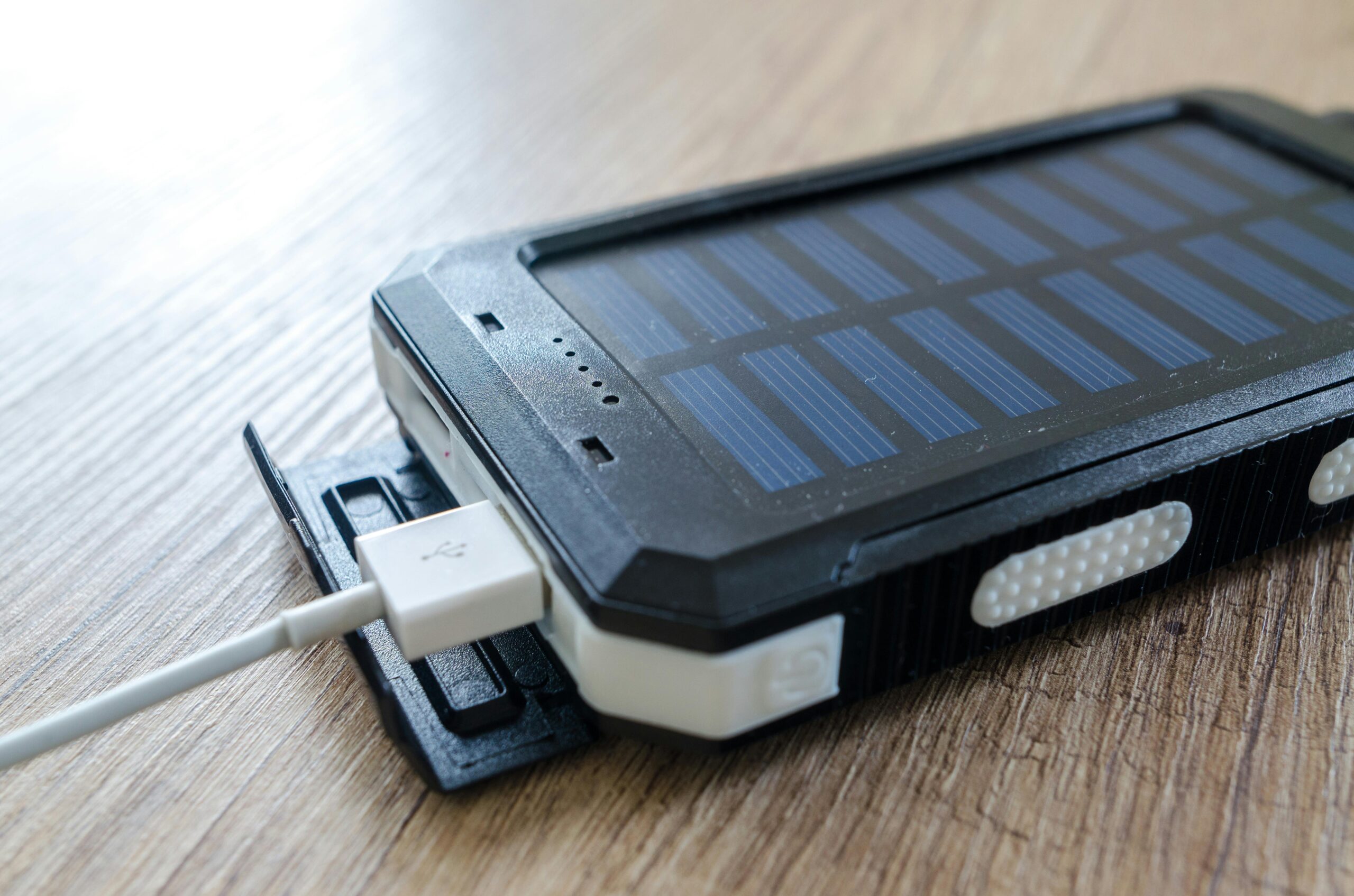
In developing regions, small-scale solar systems are revolutionizing access to electricity. Off-grid solar kits with LED lighting and phone charging capabilities have brought modern energy services to hundreds of millions of people previously living without electricity. This democratization of energy access has profound implications for education, healthcare, and economic development. ☀️
💨 Wind Energy: Harnessing Nature’s Kinetic Power
Wind power has established itself as a mature, reliable renewable energy technology with installations spanning from small rural turbines to massive offshore wind farms. Modern wind turbines are engineering marvels, with the largest models featuring rotor diameters exceeding 220 meters and generating over 14 megawatts of power—enough to supply thousands of homes.
Offshore wind development represents a particularly exciting frontier. Ocean winds blow stronger and more consistently than their onshore counterparts, enabling higher capacity factors and greater energy production. Floating offshore wind platforms are now pushing into deeper waters, accessing previously untapped wind resources and minimizing visual impact from shorelines.
Advanced turbine designs incorporate sophisticated sensors, artificial intelligence, and predictive maintenance algorithms that optimize performance and minimize downtime. Blade designs inspired by nature—mimicking whale fins and bird wings—reduce noise and increase efficiency. These technological refinements continue pushing wind energy toward greater competitiveness and reliability.
🔌 Smart Grids: The Nervous System of Green Energy Infrastructure
Traditional electrical grids were designed for one-way power flow from large centralized power plants to consumers. The renewable energy revolution requires fundamentally different grid architecture capable of managing bidirectional power flows, distributed generation, and variable supply patterns.
Smart grid technologies employ advanced sensors, communications networks, and data analytics to create responsive, self-healing electrical systems. These intelligent networks can instantly detect and respond to changes in supply or demand, reroute power around damaged infrastructure, and integrate millions of distributed energy resources seamlessly.
Demand response programs enabled by smart grids incentivize consumers to shift electricity usage away from peak periods, reducing strain on infrastructure and lowering costs. Smart meters provide real-time consumption data, empowering users to make informed decisions about their energy use. Vehicle-to-grid (V2G) technology allows electric vehicles to not only draw power from the grid but also feed electricity back during peak demand periods, transforming cars into mobile energy storage units.
Microgrids and Energy Independence
Microgrids represent localized energy systems that can operate independently or connect to the main grid as conditions dictate. These resilient networks typically combine renewable generation, energy storage, and advanced controls to serve specific communities, campuses, or facilities. During natural disasters or grid failures, microgrids can island themselves and continue providing power, enhancing resilience and security.
Military installations, hospitals, universities, and remote communities increasingly deploy microgrid solutions to ensure energy reliability. As technology costs decline and climate-related grid disruptions increase, microgrids are transitioning from niche applications to mainstream infrastructure solutions. 🏘️
🌱 Emerging Green Technologies Pushing Boundaries
Beyond established renewable sources, numerous innovative technologies promise to expand our clean energy toolkit. Geothermal energy taps into Earth’s internal heat, providing baseload power generation and heating services with minimal environmental impact. Enhanced geothermal systems (EGS) use advanced drilling techniques to access heat resources in locations previously considered unsuitable, dramatically expanding geothermal potential.
Wave and tidal energy technologies harness ocean movements to generate electricity. While still developing commercially, these predictable energy sources could provide significant power contributions for coastal regions. The ocean’s vast energy resources remain largely untapped, representing a frontier opportunity for innovation.
Next-generation nuclear technologies, including small modular reactors (SMRs) and fusion research, offer potential pathways to carbon-free baseload generation. While controversial within some environmental circles, these technologies are increasingly viewed as necessary complements to variable renewables in achieving complete decarbonization.
📊 Economic Transformation and Job Creation
The green technology revolution is generating substantial economic opportunities and employment growth. Renewable energy sectors now employ millions globally, with numbers growing rapidly. Solar panel installers, wind turbine technicians, energy efficiency specialists, and battery engineers represent some of the fastest-growing occupations.
Manufacturing supply chains for clean energy technologies are creating industrial opportunities across regions. Countries investing heavily in renewable infrastructure are positioning themselves as leaders in the global energy transition, capturing economic benefits that extend far beyond electricity generation.
The total addressable market for energy storage alone is projected to reach hundreds of billions of dollars annually within this decade. Electric vehicle markets, green hydrogen production, sustainable building technologies, and countless related sectors are experiencing parallel growth trajectories. This economic transformation rivals the scale of previous industrial revolutions, with the added imperative of environmental necessity driving adoption.
⚡ Policy Frameworks Accelerating Green Transition
Government policies play crucial roles in shaping renewable energy adoption rates. Feed-in tariffs, renewable portfolio standards, tax incentives, and carbon pricing mechanisms have proven effective in accelerating clean energy deployment. Countries with comprehensive, stable policy frameworks consistently lead in renewable energy adoption and innovation.
International agreements like the Paris Climate Accord establish targets and frameworks for national climate action. While voluntary in nature, these commitments create accountability and drive domestic policy development. The recent proliferation of net-zero pledges from governments and corporations signals growing recognition of climate urgency and renewable energy’s central role in addressing it.
Regulatory reforms that streamline permitting processes, facilitate grid interconnection, and establish clear market rules for energy storage are removing barriers to renewable deployment. As policy frameworks mature and adapt to evolving technologies, the pace of transformation continues accelerating.
🌍 Global Perspectives on Energy Transformation
Different regions approach green energy transitions through unique lenses shaped by geography, resources, economic development, and political systems. Europe has established itself as a renewable energy leader, with countries like Denmark, Germany, and Portugal regularly achieving high renewable electricity penetration rates. Ambitious targets and strong policy support continue driving innovation and deployment across the European Union.
China has become the dominant force in renewable energy manufacturing and installation, producing the majority of solar panels and wind turbines globally while also deploying massive domestic renewable capacity. This strategic positioning in clean energy supply chains carries significant geopolitical and economic implications.
Developing nations face unique challenges and opportunities in energy transitions. Many lack extensive fossil fuel infrastructure, allowing them to leapfrog directly to renewable systems without stranded assets. Declining technology costs and innovative financing mechanisms are making clean energy increasingly accessible to communities across Africa, Asia, and Latin America.
🚀 Overcoming Remaining Challenges
Despite remarkable progress, significant challenges remain in fully realizing green technology potential. Material supply chains for batteries, solar panels, and other technologies require careful management to ensure sustainability and avoid creating new environmental problems. Lithium, cobalt, rare earth elements, and other critical minerals face supply constraints and ethical sourcing concerns.
Grid infrastructure in many regions requires substantial upgrades to accommodate high renewable penetration. Transmission line construction faces regulatory hurdles, public opposition, and significant capital requirements. Innovative solutions like high-voltage direct current (HVDC) transmission and advanced grid management software help maximize existing infrastructure while new construction proceeds.
Energy storage duration remains a technical frontier. While lithium-ion batteries excel at short-duration applications, seasonal storage and multi-day backup capabilities require different technological approaches. Long-duration storage solutions are critical for achieving 100% renewable electricity systems capable of weathering extended periods of low renewable generation.
💡 The Path Forward: Integration and Innovation
The future of green technology and energy storage lies not in single solutions but in integrated systems that combine multiple technologies optimally. Hybrid renewable installations pairing solar and wind generation with diverse storage technologies can provide firm, dispatchable power. Sector coupling—integrating electricity, transportation, heating, and industrial processes—maximizes efficiency and flexibility across the entire energy system.
Artificial intelligence and machine learning are increasingly central to energy system optimization. Predictive algorithms forecast renewable generation and electricity demand with improving accuracy, enabling better resource allocation and grid management. Automated systems optimize charging and discharging of storage assets, manage distributed energy resources, and identify efficiency opportunities across networks.
Continued innovation in materials science, power electronics, and system design promises further performance improvements and cost reductions. Research institutions, private companies, and government laboratories worldwide are pursuing breakthrough technologies that could revolutionize energy storage, renewable generation, and grid management. The pace of innovation shows no signs of slowing, with each advancement building upon previous progress. 🔬
🌟 Empowering Individual Action in the Energy Transition
While large-scale infrastructure and policy changes drive macro-level transformation, individual and community actions collectively contribute substantially to the green energy transition. Residential solar installations, home battery systems, electric vehicle adoption, and energy efficiency improvements allow individuals to participate directly in building sustainable energy futures.
Community solar programs enable renters and others without suitable rooftops to access clean energy benefits. Energy cooperatives allow communities to collectively invest in and benefit from renewable projects. These distributed ownership models democratize clean energy access while building local support for continued expansion.
Consumer choices influence corporate behavior and market dynamics. Demand for green power purchase agreements, sustainable products, and climate-conscious investments signals market preferences that accelerate business transition toward sustainability. Individual actions, multiplied across millions of people, create powerful forces for systemic change.
The convergence of green technology innovation, declining costs, supportive policies, and growing climate awareness has created unprecedented momentum toward sustainable energy systems. Energy storage foundations enable renewable sources to provide reliable, affordable electricity at scale. Smart grids orchestrate increasingly complex energy networks with precision and efficiency. Diverse renewable technologies complement each other, creating resilient systems adaptable to varied geographic and economic contexts.
The transformation from fossil fuel dependence to clean energy abundance represents humanity’s greatest infrastructure challenge and opportunity. Success requires continued innovation, substantial investment, thoughtful policy, and collective commitment. The foundation has been laid, technologies proven, and economic case established. The potential of green technology and energy storage to power a sustainable future is no longer theoretical—it’s becoming our present reality, one solar panel, wind turbine, and battery at a time. The journey continues, with each advancement bringing us closer to a cleaner, more sustainable energy future for generations to come. 🌈