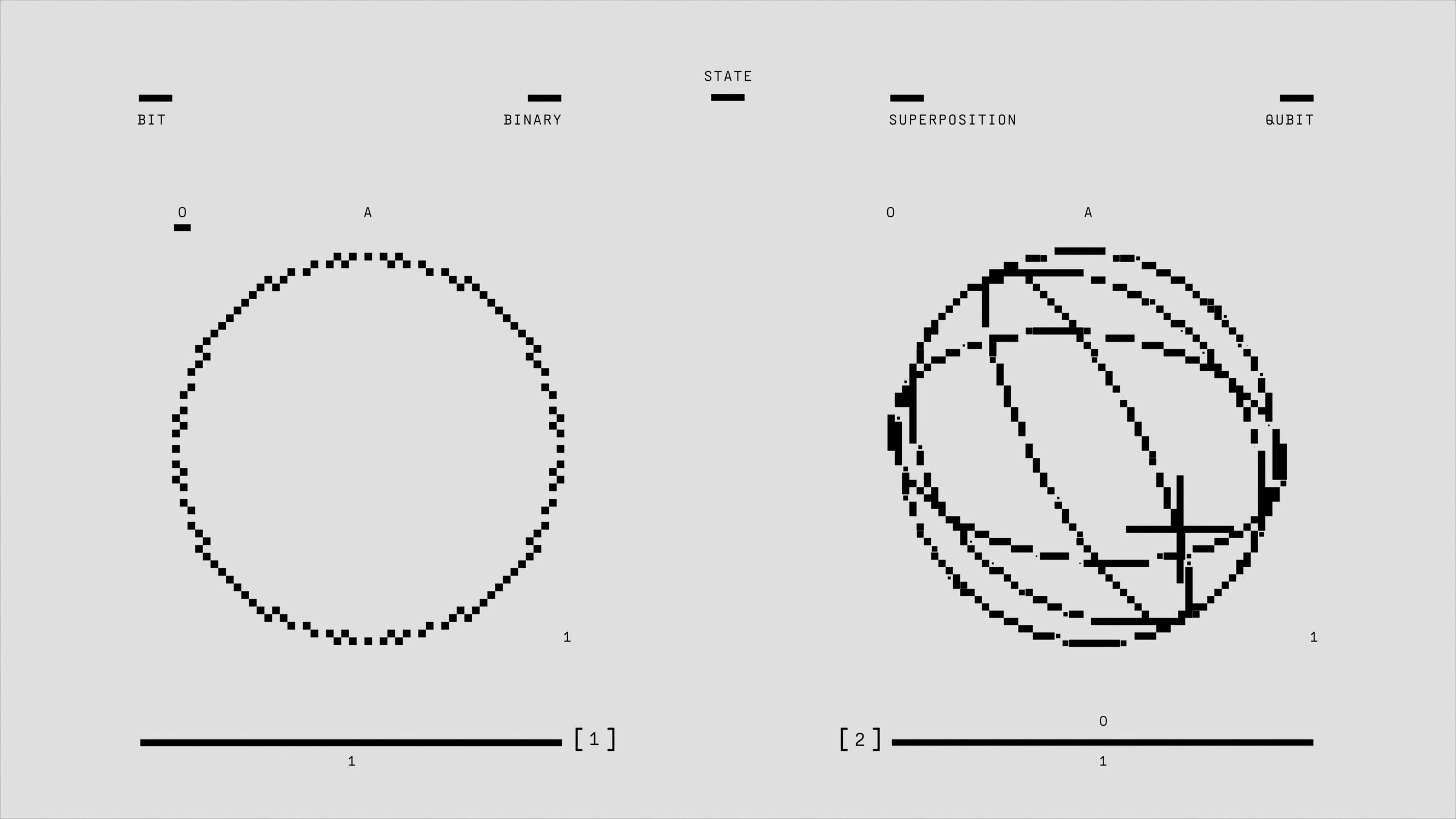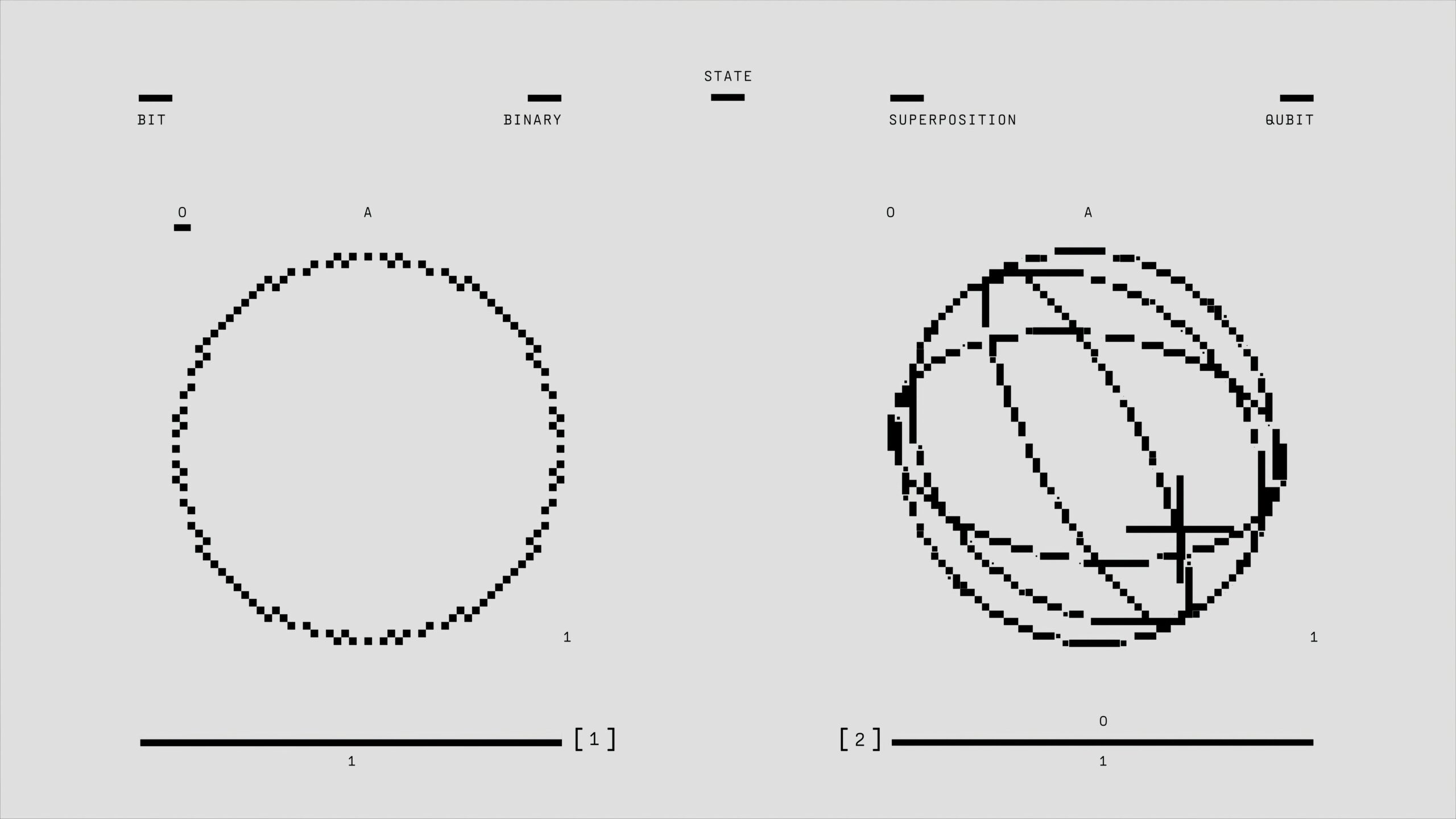
Quantum cryptography represents a paradigm shift in secure communication, offering unbreakable encryption through the fundamental laws of physics rather than mathematical complexity alone.

🔐 The Dawn of Quantum-Secured Digital Communication
In an era where cyber threats evolve at unprecedented speeds, traditional encryption methods face mounting challenges. Hackers continuously develop sophisticated algorithms to crack even the most robust security systems. Meanwhile, the looming advent of quantum computers threatens to render current encryption standards obsolete virtually overnight. This technological arms race has driven scientists and security experts to explore revolutionary approaches to data protection.
Quantum cryptography emerges as the most promising solution to these escalating security concerns. Unlike conventional encryption that relies on computational difficulty, quantum cryptography leverages fundamental principles of quantum mechanics to create communication channels that are theoretically impossible to intercept without detection. This remarkable technology doesn’t just make eavesdropping difficult—it makes it physically detectable, providing an unprecedented level of security assurance.
Understanding the Quantum Advantage in Cryptography
The foundation of quantum cryptography rests on two core principles of quantum mechanics: the Heisenberg Uncertainty Principle and quantum entanglement. The Uncertainty Principle states that measuring a quantum system inevitably disturbs it, making undetectable eavesdropping impossible. When applied to cryptographic systems, this means any attempt to intercept quantum-encrypted communication will leave traceable evidence.
Quantum entanglement, often described as “spooky action at a distance” by Einstein, creates pairs of particles with correlated properties regardless of separation distance. When one particle is measured, its entangled partner instantaneously assumes a corresponding state. This phenomenon enables the creation of perfectly synchronized encryption keys between distant parties, with any interference immediately evident to both communicators.
How Quantum Key Distribution Works
Quantum Key Distribution (QKD) represents the most mature application of quantum cryptography currently available. The process begins when a sender transmits individual photons—quantum particles of light—encoded with specific polarization states representing binary information. The receiver measures these photons using randomly selected bases, and both parties later compare their measurement choices over a public channel.
Through this comparison, they identify which measurements used compatible bases and discard incompatible results. The remaining data becomes a shared secret key. Crucially, if an eavesdropper attempts to intercept and measure the photons, the quantum state collapses differently, introducing detectable errors in the final key. When error rates exceed predetermined thresholds, communicators know their channel has been compromised and can abort the key establishment process.
⚛️ Breaking Down the Technical Implementation
Implementing quantum cryptography requires sophisticated hardware capable of generating, transmitting, and detecting individual quantum particles with extreme precision. Current systems typically use specialized laser sources that can emit single photons on demand, fiber optic cables or free-space optical links for transmission, and highly sensitive photon detectors capable of registering individual quantum events.
The technical challenges are substantial. Photons can be absorbed or scattered during transmission, limiting effective communication distances. Environmental factors like temperature fluctuations and electromagnetic interference can introduce noise. Manufacturing imperfections in hardware components may create vulnerabilities that skilled attackers could exploit. Despite these obstacles, commercial quantum cryptography systems have achieved impressive performance metrics in controlled environments.
Current Limitations and Distance Barriers
One significant constraint facing quantum cryptography is the distance limitation problem. Photons traveling through fiber optic cables experience exponential signal loss, typically restricting secure transmission to distances under 100 kilometers without signal amplification. Unlike classical signals, quantum states cannot be copied or amplified without destroying their quantum properties—a consequence of the no-cloning theorem.
Researchers have developed ingenious solutions to extend quantum communication ranges. Quantum repeaters, though still largely experimental, promise to relay quantum information across longer distances by creating entanglement between successive network segments. Trusted node networks establish intermediate stations where quantum keys are measured and re-encrypted using different quantum links, effectively creating chains of secured connections spanning continental distances.
Real-World Applications Transforming Security Infrastructure
Financial institutions have emerged as early adopters of quantum cryptography, recognizing the catastrophic consequences of compromised transaction security. Several major banks have piloted quantum-secured communication links for high-value transactions and sensitive data transfers. These implementations provide insurance against both present-day threats and future quantum computer attacks that could decrypt archived communications.
Government and military organizations worldwide have invested heavily in quantum communication networks. China’s quantum satellite program demonstrates the feasibility of space-based quantum key distribution, achieving secure communication between ground stations separated by thousands of kilometers. European and American initiatives are developing similar capabilities, recognizing quantum-secured communication as critical infrastructure for national security.
Healthcare Data Protection Through Quantum Security
Medical records contain extraordinarily sensitive personal information that requires the highest protection levels. Healthcare providers increasingly face sophisticated cyberattacks targeting patient data for identity theft and insurance fraud. Quantum cryptography offers healthcare organizations a future-proof solution for protecting electronic health records, telemedicine communications, and research data against both current and emerging threats.
Several hospital networks have begun testing quantum-secured connections between facilities, particularly for transmitting diagnostic imaging, genetic information, and treatment protocols. The regulatory landscape around healthcare data protection continues evolving, with quantum cryptography positioned to meet even the most stringent future requirements for medical information security.
🌐 The Quantum Internet: Building Tomorrow’s Secure Networks
Beyond point-to-point secure communication, researchers envision a global quantum internet—a network infrastructure where quantum principles secure all data transmission. This ambitious goal requires developing standardized protocols, scalable hardware, and integration strategies with existing classical internet infrastructure. The quantum internet wouldn’t replace conventional networks but would complement them, providing quantum-secured key distribution for encrypting classical data.
Building this quantum internet presents extraordinary engineering challenges. Network components must maintain quantum coherence across complex routing paths. Synchronization between quantum and classical layers requires precise timing mechanisms. Error correction becomes paramount when dealing with fragile quantum states susceptible to environmental decoherence. Despite these hurdles, prototype quantum networks are operational in several countries, demonstrating feasibility and informing future development.
Integration Strategies With Existing Infrastructure
Transitioning to quantum-secured communication doesn’t require abandoning existing network infrastructure. Hybrid systems combine quantum key distribution with conventional encryption algorithms, using quantum-generated keys to encrypt data transmitted through standard channels. This approach leverages quantum security advantages while maintaining compatibility with current communication systems and protocols.
Telecommunications companies are exploring how to incorporate quantum capabilities into fiber optic networks already deployed worldwide. Specialized wavelength channels dedicated to quantum signals can coexist with classical data transmission within the same fiber infrastructure, making incremental quantum network deployment economically feasible. This convergence strategy accelerates quantum cryptography adoption without requiring complete infrastructure replacement.
Defending Against the Quantum Computing Threat
The development of powerful quantum computers presents a dual challenge to cybersecurity. While these machines promise revolutionary computational capabilities for scientific research and optimization problems, they also threaten to break widely used encryption algorithms like RSA and elliptic curve cryptography. Security experts estimate that sufficiently powerful quantum computers could decrypt messages protected by these algorithms within hours or even minutes.
This threat extends beyond future communications to currently encrypted data. Adversaries can employ “harvest now, decrypt later” strategies, capturing encrypted communications today and storing them until quantum computers capable of breaking the encryption become available. For information requiring long-term confidentiality—trade secrets, personal health records, classified government documents—this represents an immediate threat requiring urgent countermeasures.
Post-Quantum Cryptography as a Complementary Defense
While quantum cryptography offers physical security guarantees, post-quantum cryptography develops mathematical algorithms resistant to both classical and quantum computer attacks. These algorithms provide an alternative or complementary approach to quantum-secured communication, particularly valuable for devices and scenarios where quantum hardware implementation proves impractical.
Leading standards organizations are evaluating and standardizing post-quantum algorithms for widespread adoption. The National Institute of Standards and Technology (NIST) has conducted multi-year competitions to identify the most promising candidates. Organizations should implement both quantum cryptography where feasible and post-quantum algorithms elsewhere, creating layered defenses against the quantum computing threat.
💡 Practical Considerations for Organizations
Organizations contemplating quantum cryptography adoption must evaluate several factors. Initial implementation costs remain substantial, though declining as technology matures and manufacturing scales. Technical expertise requirements are significant, necessitating specialized training or partnerships with quantum security providers. Integration complexity varies depending on existing infrastructure and use case specifics.
A phased adoption strategy typically makes sense for most organizations. Begin by identifying critical communication channels with the highest security requirements and longest confidentiality timelines. Pilot quantum cryptography for these priority applications, gaining operational experience and building internal expertise. Gradually expand deployment as technology costs decrease and organizational capabilities develop.
Evaluating Vendor Solutions and Standards
The quantum cryptography market includes both established technology companies and specialized startups offering various implementation approaches. Evaluating solutions requires understanding different QKD protocols, hardware specifications, and performance characteristics. Key considerations include maximum secure distance, key generation rates, error rates, environmental requirements, and integration capabilities with existing security infrastructure.
Standardization efforts continue evolving, with organizations like the European Telecommunications Standards Institute (ETSI) and International Telecommunication Union (ITU) developing quantum communication standards. Selecting solutions aligned with emerging standards reduces future integration challenges and ensures interoperability between different vendors’ equipment as the quantum communication ecosystem matures.
The Economic and Strategic Implications
Quantum cryptography represents more than technological advancement—it carries profound economic and geopolitical implications. Nations leading quantum communication development gain strategic advantages in both defensive capabilities and offensive intelligence operations. The ability to secure sensitive communications against any adversary while potentially accessing competitors’ conventionally encrypted data creates significant asymmetries.
Economic competitiveness increasingly depends on information security. Industries from finance to pharmaceuticals rely on protecting intellectual property, trade secrets, and customer data. Quantum cryptography provides verifiable, future-proof protection that could become a competitive differentiator and regulatory requirement. Early adopters position themselves advantageously as quantum security transitions from cutting-edge research to industry standard.
🚀 The Future Landscape of Quantum-Secured Communication
Looking forward, quantum cryptography will likely become increasingly accessible and widespread. Miniaturization of quantum hardware will enable integration into smaller devices and more diverse applications. Satellite-based quantum key distribution will extend secure communication globally, overcoming terrestrial distance limitations. Quantum networks will evolve from specialized research infrastructure to mainstream communication channels.
The convergence of quantum cryptography with other emerging technologies creates exciting possibilities. Quantum-secured blockchain networks could provide unprecedented transaction security and trust. Integration with artificial intelligence and machine learning systems would protect sensitive training data and algorithmic intellectual property. Internet of Things ecosystems could leverage quantum security to prevent device compromise and unauthorized access.
As quantum technology advances, the gap between theoretical possibilities and practical implementations will narrow. Current limitations around distance, key generation rates, and environmental sensitivity will diminish through continued research and engineering refinement. The question is no longer whether quantum cryptography will transform secure communication, but rather how quickly this transformation will occur and which organizations will lead the transition.

Taking Action: Preparing for the Quantum Future
Organizations should begin preparing for quantum-secured communication today, even if full implementation remains years away. Conducting security audits to identify vulnerable encryption systems and data requiring long-term protection represents a crucial first step. Evaluating how quantum computing threats might impact specific business operations and compliance requirements helps prioritize quantum security investments.
Building internal awareness and expertise ensures readiness when quantum cryptography becomes practical for your organization. Engaging with industry consortia, attending quantum technology conferences, and establishing relationships with quantum security vendors provides valuable knowledge and strategic positioning. The quantum revolution in secure communication is underway—proactive preparation determines whether your organization leads or follows this transformative shift.
The promise of unbreakable encryption through quantum cryptography represents one of the most significant advances in information security history. By harnessing fundamental physical laws rather than mathematical complexity, quantum-secured communication provides verifiable protection against both current threats and future quantum computing capabilities. While challenges remain, the trajectory is clear: quantum cryptography will become integral to protecting humanity’s most sensitive information in the decades ahead.