Quantum computing is no longer a distant dream—it’s reshaping how developers write, test, and deploy code today. The fusion of quantum mechanics and software development environments promises unprecedented computational power and revolutionary programming paradigms.

🚀 The Quantum Leap in Software Development
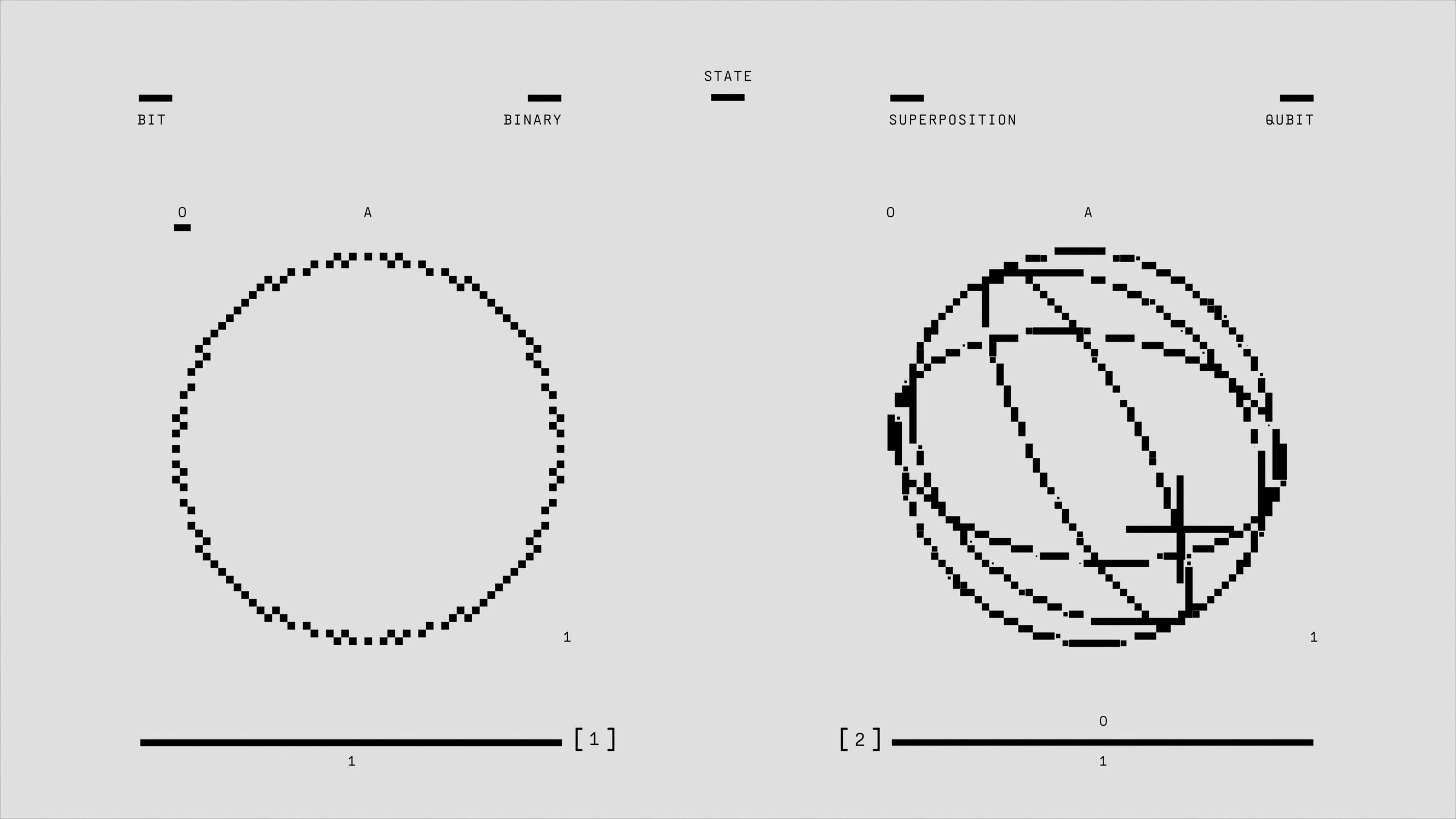
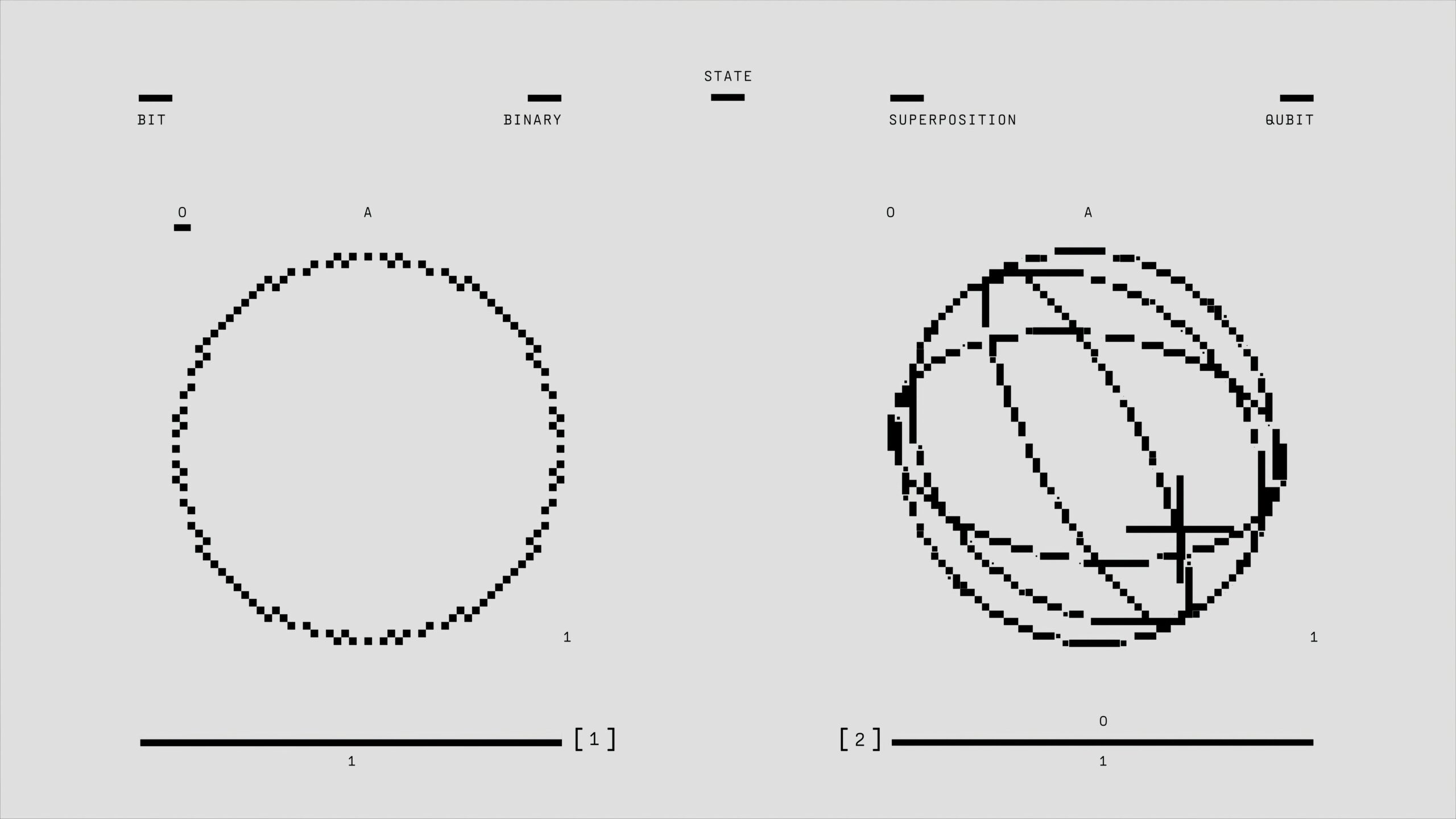
Traditional computing has served us well for decades, but we’re approaching the physical limits of classical processors. Quantum software development environments represent a fundamental shift in how we approach problem-solving through code. Unlike classical bits that exist as either 0 or 1, quantum bits (qubits) can exist in multiple states simultaneously through superposition, opening doors to exponentially faster computations.
The emergence of quantum development platforms isn’t just about speed—it’s about tackling problems that were previously considered computationally impossible. From molecular simulations for drug discovery to optimization problems in logistics, quantum programming environments are enabling developers to reimagine what’s achievable with software.
Understanding Quantum Software Development Environments
Quantum software development environments differ dramatically from their classical counterparts. These specialized platforms provide developers with tools to write quantum algorithms, simulate quantum circuits, and eventually execute code on actual quantum hardware. The learning curve is steep, but the potential rewards are transformative.
Modern quantum development environments bridge the gap between theoretical quantum mechanics and practical programming. They offer high-level programming languages that abstract away much of the complex mathematics while still providing access to quantum operations when needed. This accessibility is crucial for mainstream adoption among developers who may not have advanced physics backgrounds.
Core Components of Quantum Development Platforms
Every robust quantum software development environment includes several essential components that work together to create a cohesive programming experience:
- Quantum Circuit Designers: Visual interfaces for building and testing quantum algorithms through drag-and-drop circuit construction
- Quantum Simulators: Classical computers that emulate quantum behavior for testing and debugging without requiring actual quantum hardware
- Quantum Programming Languages: Specialized languages like Q#, Qiskit, Cirq, and Silq designed specifically for quantum algorithm expression
- Integrated Development Environments: Full-featured IDEs with syntax highlighting, debugging tools, and quantum-specific code analysis
- Hardware Access Layers: APIs and interfaces that connect your code to real quantum processors from providers like IBM, Google, and IonQ
- Library Ecosystems: Pre-built quantum algorithms and functions that accelerate development time
💡 Leading Quantum Development Platforms Transforming the Industry
Several major technology companies and research institutions have launched quantum development environments that are actively shaping the future of programming. Each platform offers unique strengths and caters to different aspects of quantum software development.
IBM Quantum Experience and Qiskit
IBM’s Quantum Experience platform democratized access to quantum computing by offering cloud-based access to real quantum processors. Qiskit, IBM’s open-source quantum computing framework, provides a comprehensive Python-based environment for creating quantum programs. The platform includes extensive documentation, tutorials, and a vibrant community of developers experimenting with quantum algorithms.
Qiskit’s modular architecture separates quantum circuit creation from execution, allowing developers to build algorithms once and run them on simulators or actual quantum hardware interchangeably. This flexibility makes it ideal for both learning and production development.
Microsoft Azure Quantum and Q#
Microsoft’s approach to quantum development emphasizes scalability and integration with existing development workflows. Azure Quantum provides a cloud ecosystem that connects developers to multiple quantum hardware providers through a single interface. The Q# programming language, specifically designed for quantum algorithm expression, offers strong typing and integration with Visual Studio and VS Code.
What sets Azure Quantum apart is its focus on hybrid classical-quantum algorithms, recognizing that most practical applications will require both paradigms working together seamlessly. The platform’s resource estimation tools help developers understand the quantum hardware requirements before execution.
Google Cirq and Quantum AI
Google’s Cirq framework targets developers building algorithms for Noisy Intermediate-Scale Quantum (NISQ) processors—the current generation of quantum hardware. Cirq provides fine-grained control over quantum circuits, making it particularly suitable for researchers and developers who need to optimize algorithms for specific hardware characteristics.
The platform integrates deeply with TensorFlow Quantum, enabling quantum machine learning applications that combine classical neural networks with quantum processing layers. This convergence of quantum computing and AI represents one of the most exciting frontiers in technology.
Quantum Programming Languages: A New Syntax for a New Era
Learning quantum programming requires understanding languages specifically designed to express quantum operations. These languages introduce concepts foreign to classical programming but essential for quantum algorithm development.
Key Quantum Programming Concepts
Quantum programming languages incorporate several unique features that reflect the underlying physics of quantum systems. Superposition allows qubits to exist in multiple states simultaneously, fundamentally changing how we think about variables and data structures. Entanglement creates correlations between qubits that have no classical equivalent, enabling powerful parallel computations.
Quantum measurement collapses superposition states into definite values, introducing probabilistic outcomes into program execution. This inherent randomness requires new approaches to algorithm design and debugging. Quantum gates, the equivalent of classical logic gates, manipulate qubit states through unitary transformations that must remain reversible—a stark contrast to classical computing where information loss is common.
🔧 Practical Applications Driving Quantum Development Adoption
The true test of any development environment is its ability to solve real-world problems. Quantum software development platforms are already demonstrating value across multiple industries, even with today’s relatively limited quantum hardware.
Optimization and Logistics
Companies in logistics, finance, and manufacturing face optimization problems with astronomical numbers of possible solutions. Classical computers struggle with these combinatorial explosions, but quantum algorithms like QAOA (Quantum Approximate Optimization Algorithm) can explore solution spaces more efficiently. Quantum development environments make these algorithms accessible to developers working on supply chain optimization, portfolio management, and resource allocation.
Drug Discovery and Materials Science
Simulating molecular behavior accurately requires modeling quantum interactions—something classical computers can barely approximate. Quantum development platforms enable chemists and pharmaceutical researchers to simulate molecular structures with unprecedented accuracy, potentially accelerating drug discovery from years to months. Materials scientists use quantum algorithms to predict properties of novel materials before synthesis, saving enormous time and resources.
Cryptography and Security
Quantum computing poses both threats and opportunities for cybersecurity. While quantum algorithms could break current encryption standards, quantum development environments are being used to create quantum-resistant cryptographic protocols and quantum key distribution systems that offer theoretically unbreakable security. Developers working in security must familiarize themselves with quantum platforms to prepare for the post-quantum cryptography era.
Overcoming Challenges in Quantum Software Development
Despite rapid progress, quantum software development faces significant challenges that current environments are working to address. Understanding these limitations helps developers set realistic expectations and make informed technology choices.
Hardware Limitations and Error Rates
Today’s quantum processors are noisy and error-prone compared to classical computers. Quantum decoherence causes qubits to lose their quantum properties rapidly, limiting computation time. Development environments must include sophisticated error mitigation techniques and provide developers with tools to design fault-tolerant algorithms that account for hardware imperfections.
The Debugging Dilemma
Traditional debugging techniques don’t translate well to quantum computing. Observing a quantum state changes it through measurement collapse, making step-through debugging impossible. Quantum development environments are pioneering new debugging approaches, including specialized simulators that track quantum state evolution and visualization tools that represent high-dimensional quantum states in comprehensible ways.
🎓 Learning Resources and Community Support
The quantum development community is remarkably open and supportive, with extensive resources available for developers at all skill levels. Most quantum platforms provide comprehensive documentation, interactive tutorials, and sample code repositories that demonstrate practical implementations of quantum algorithms.
Online learning platforms offer specialized courses in quantum programming, ranging from introductory overviews for beginners to advanced algorithm design for experienced developers. Many universities now include quantum computing in their computer science curricula, ensuring the next generation of developers enters the workforce with quantum literacy.
Community forums, Stack Overflow tags, and dedicated Slack channels connect quantum developers worldwide, facilitating knowledge exchange and collaborative problem-solving. Open-source quantum projects on GitHub provide opportunities to contribute to cutting-edge development tools and learn from experienced practitioners.
The Hybrid Future: Classical and Quantum Integration
The future of software development isn’t purely quantum—it’s hybrid. Most practical applications will combine classical and quantum computing, leveraging each paradigm’s strengths. Modern quantum development environments recognize this reality and provide seamless integration mechanisms between classical and quantum code.
Hybrid algorithms use classical computers for data preprocessing, control flow, and result interpretation while delegating specific computational tasks to quantum processors. This architecture maximizes efficiency and makes quantum computing accessible even as the technology matures. Development environments that support this hybrid approach position developers to build practical quantum applications today rather than waiting for perfect quantum hardware.
🌐 Preparing Your Development Team for the Quantum Era
Organizations that invest in quantum literacy now will gain competitive advantages as the technology matures. Preparing development teams for quantum software development requires strategic planning and commitment to ongoing education.
Building Quantum Skills Within Your Organization
Start by identifying developers with strong mathematical foundations and curiosity about emerging technologies. Provide access to quantum development platforms and allocate dedicated time for experimentation and learning. Consider partnering with academic institutions or quantum computing consultancies to accelerate knowledge transfer.
Encourage participation in quantum hackathons and challenges hosted by major quantum platforms. These events provide hands-on experience with real quantum hardware and exposure to practical problem-solving approaches. Building internal communities of practice around quantum development helps maintain momentum and facilitates knowledge sharing across teams.
The Ecosystem of Quantum Development Tools
Beyond the major platforms, a rich ecosystem of specialized tools enhances quantum software development. Visualization libraries help developers understand complex quantum states through interactive graphics. Performance profiling tools analyze quantum circuit efficiency and suggest optimizations. Version control systems adapted for quantum code track changes in both classical control code and quantum circuits.
Testing frameworks designed for quantum software handle the probabilistic nature of quantum algorithms, ensuring statistical validation across multiple executions. Documentation generators create comprehensive references for quantum APIs and algorithms. This growing toolset makes quantum development increasingly practical and professional.
⚡ The Road Ahead: Quantum Development in 2025 and Beyond
Quantum software development environments will continue evolving rapidly as hardware capabilities expand and developer needs become clearer. We’re seeing movement toward standardization, with efforts to create common interfaces and protocols that work across different quantum hardware providers.
Artificial intelligence integration promises to revolutionize quantum development by automatically optimizing circuits, suggesting algorithm improvements, and even generating quantum code from high-level problem descriptions. As quantum processors scale from dozens to thousands of qubits, development environments will need to provide more sophisticated resource management and distributed quantum computing capabilities.
The convergence of quantum computing with other emerging technologies like edge computing, IoT, and 5G networks will create new application domains and development challenges. Forward-thinking development environments are already preparing for these hybrid architectures where quantum processing becomes another available resource in heterogeneous computing systems.
Taking Your First Steps in Quantum Development
Getting started with quantum software development is more accessible than ever. Begin by exploring cloud-based quantum platforms that require no special hardware—just a web browser and curiosity. Work through interactive tutorials that guide you from basic quantum gates to complete algorithms. Start with simple programs like quantum random number generators or basic quantum teleportation before tackling complex optimization problems.
Join online communities where you can ask questions, share discoveries, and learn from others on similar journeys. Contribute to open-source quantum projects to gain practical experience and build your portfolio. Remember that quantum development is still in its early stages—there’s room for innovation and discovery at every skill level.
The revolution in software development brought by quantum computing isn’t coming—it’s already here. Quantum software development environments are providing the tools, languages, and platforms that enable developers to harness quantum mechanics for computational advantage. Whether you’re a curious beginner or an experienced developer looking to expand your skillset, now is the time to engage with quantum programming and position yourself at the forefront of computing’s next great transformation.