The future of education is quantum, and it’s transforming how professionals acquire cutting-edge skills in an era demanding constant innovation and adaptation.

We’re standing at the threshold of an educational revolution where quantum computing principles merge with learning methodologies to create unprecedented opportunities for skill development. Quantum education programs represent more than just another trending buzzword—they’re fundamentally reshaping how we approach knowledge acquisition, problem-solving, and professional advancement in the digital age.
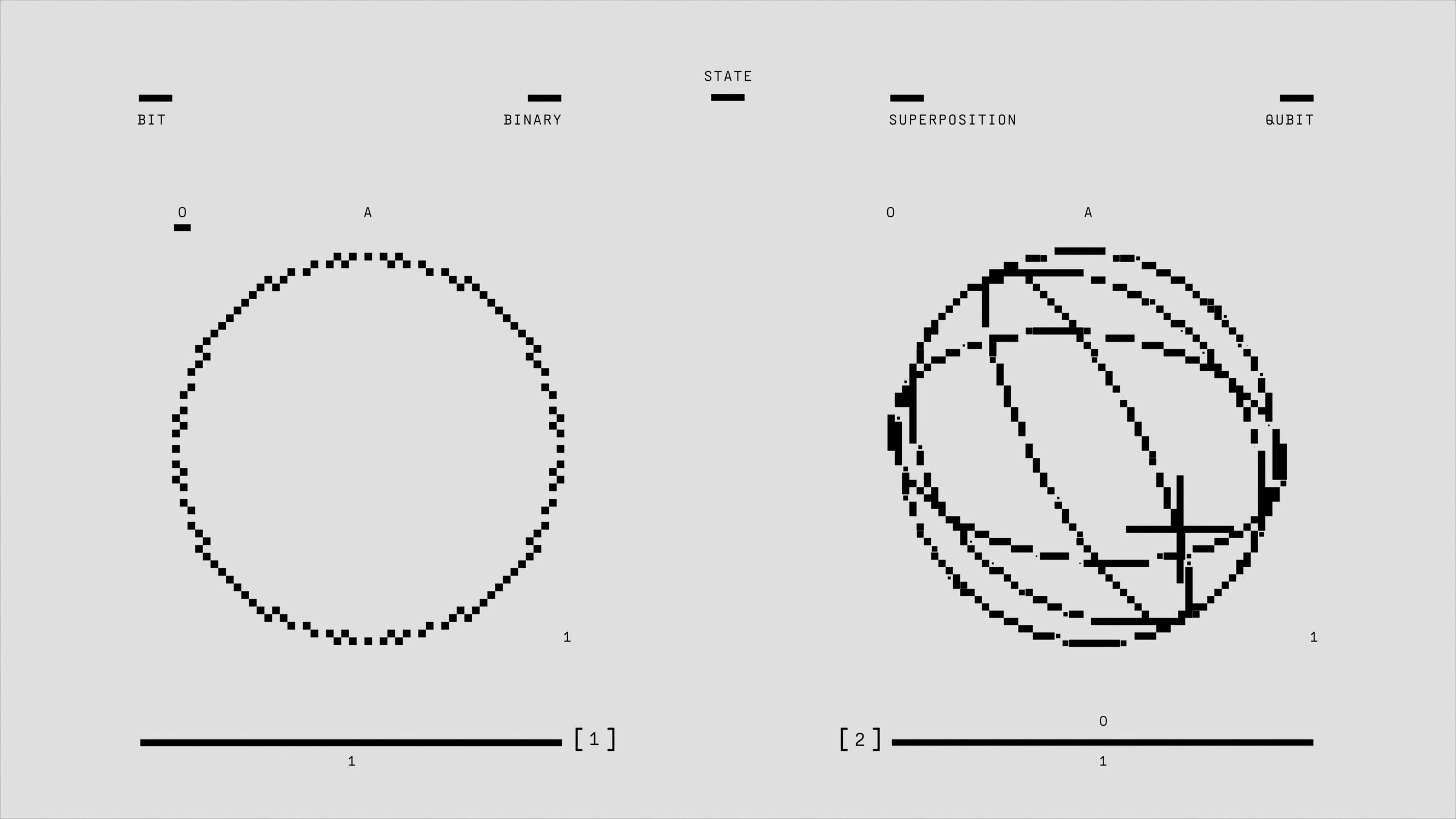
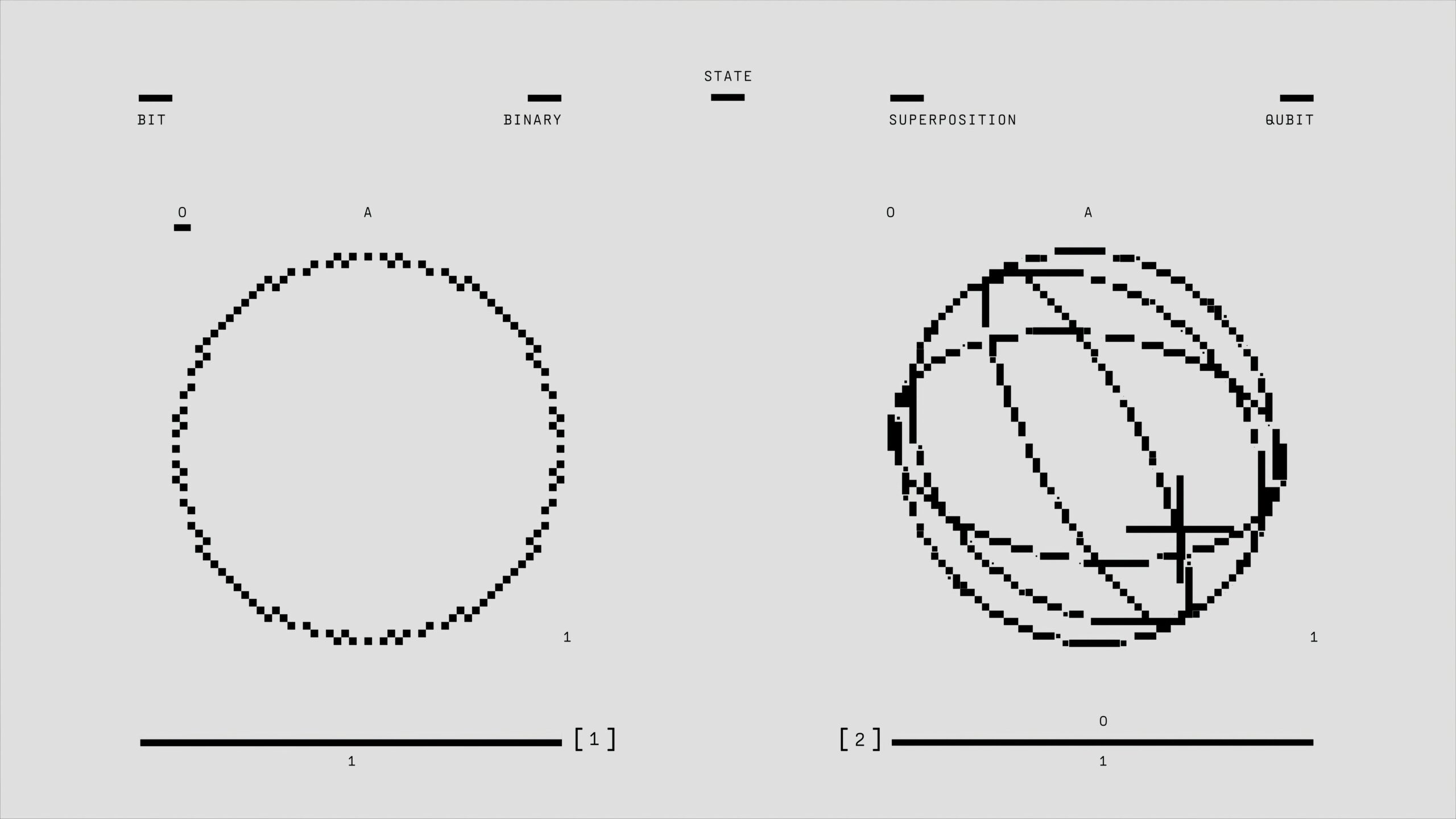
Traditional education systems, designed for industrial-era needs, struggle to keep pace with today’s rapidly evolving technological landscape. Meanwhile, quantum education leverages advanced computational thinking, adaptive learning algorithms, and interdisciplinary approaches that mirror the complexity of our interconnected world. This paradigm shift isn’t merely about learning quantum physics; it’s about adopting quantum principles—superposition, entanglement, and uncertainty—as metaphors for flexible, multi-dimensional thinking that today’s workforce desperately needs.
🚀 What Makes Quantum Education Programs Revolutionary
Quantum education programs distinguish themselves through their foundational approach to learning. Unlike conventional programs that follow linear, predetermined paths, quantum education embraces simultaneous exploration of multiple learning trajectories. Students don’t just memorize facts; they develop the capacity to hold multiple perspectives simultaneously, critically evaluate complex information, and synthesize knowledge across traditionally separate disciplines.
These programs incorporate cutting-edge technologies including artificial intelligence, machine learning, and yes—actual quantum computing concepts—to create immersive learning experiences. The curriculum adapts in real-time to each learner’s progress, challenges, and interests, creating personalized educational journeys that maximize engagement and retention.
What’s particularly compelling is how quantum education programs prepare participants for jobs that don’t yet exist. By focusing on transferable meta-skills—computational thinking, creative problem-solving, ethical reasoning, and adaptive learning—these programs equip professionals with the cognitive flexibility needed to navigate whatever technological disruptions lie ahead.
💡 Core Competencies Developed Through Quantum Learning
Quantum education programs focus on developing several interconnected competency areas that collectively unlock human potential in unprecedented ways.
Computational and Quantum Thinking
At the heart of these programs lies computational thinking—the ability to break down complex problems into manageable components, recognize patterns, and develop algorithmic solutions. Quantum thinking extends this further by embracing uncertainty, probability, and parallel processing concepts. Students learn to approach problems not with binary either-or thinking, but with nuanced both-and perspectives that acknowledge complexity and interdependence.
This skillset proves invaluable across industries from finance and healthcare to creative fields and policy development. Understanding how to frame problems computationally and think in probabilistic terms rather than deterministic certainties provides a significant competitive advantage in our data-driven economy.
Interdisciplinary Integration
Quantum education dismantles artificial barriers between disciplines. Programs intentionally blend computer science with philosophy, mathematics with art, biology with ethics. This cross-pollination mirrors how real-world innovation actually occurs—at the intersections of different fields rather than within isolated silos.
Participants develop T-shaped expertise: deep knowledge in specific areas combined with broad understanding across multiple domains. This combination enables them to communicate effectively with diverse teams, identify unexpected solutions, and create innovations that specialists working in isolation might never conceive.
Adaptive Learning Capabilities
Perhaps most critically, quantum education programs teach people how to learn continuously and efficiently. In a world where technical skills become obsolete within years rather than decades, meta-learning—learning how to learn—becomes the ultimate competitive advantage.
These programs incorporate deliberate practice techniques, spaced repetition principles, and metacognitive strategies that help students understand their own learning processes. Graduates don’t just possess specific knowledge; they’ve developed the cognitive infrastructure to acquire new skills rapidly throughout their careers.
🎯 Key Areas of Focus in Modern Quantum Education
Contemporary quantum education programs typically encompass several specialized but interconnected focus areas, each addressing critical skill gaps in today’s workforce.
Quantum Computing Fundamentals
Understanding actual quantum computing represents a frontier skill with exponentially growing demand. Programs introduce learners to quantum mechanics basics, qubit manipulation, quantum algorithms, and quantum programming languages like Qiskit and Q#. While not everyone becomes a quantum physicist, grasping these fundamentals provides insight into computing’s future and prepares professionals to work alongside quantum technologies as they become commercially viable.
Artificial Intelligence and Machine Learning
AI literacy has transitioned from nice-to-have to essential across virtually all professional fields. Quantum education programs demystify machine learning, neural networks, natural language processing, and computer vision. More importantly, they emphasize ethical AI development, bias recognition, and responsible technology deployment—ensuring technical skills are balanced with critical judgment about societal impacts.
Data Science and Analytics
Data-driven decision-making dominates modern organizations, creating insatiable demand for professionals who can extract meaningful insights from complex datasets. Quantum education programs build statistical literacy, data visualization skills, predictive modeling capabilities, and database management expertise. Students learn to ask the right questions of data, recognize when correlations suggest causation versus coincidence, and communicate findings to non-technical stakeholders effectively.
Cybersecurity and Quantum Cryptography
As quantum computing advances threaten current encryption methods, quantum-safe cryptography becomes critical. Education programs address both defensive cybersecurity fundamentals and emerging quantum cryptographic techniques. Understanding these domains proves essential for any professional handling sensitive information or developing secure systems.
Blockchain and Distributed Systems
Decentralized technologies are reshaping finance, supply chains, healthcare records, and digital identity systems. Quantum education provides practical understanding of blockchain mechanics, smart contract development, consensus algorithms, and distributed ledger applications. This knowledge positions professionals to innovate within emerging decentralized ecosystems.
🌟 Implementing Quantum Education: Learning Modalities That Work
Effective quantum education programs employ diverse learning modalities that accommodate different learning styles while maintaining rigor and practical applicability.
Project-Based Learning
Rather than passive lecture absorption, quantum programs emphasize active learning through real-world projects. Students tackle authentic challenges faced by companies and organizations, developing solutions from concept through implementation. This approach builds not just technical skills but also project management capabilities, teamwork experience, and the confidence that comes from delivering tangible outcomes.
Immersive Simulations and Virtual Labs
Quantum concepts often defy intuition and can’t be directly observed. Advanced simulations and virtual laboratory environments allow learners to experiment with quantum phenomena, machine learning models, and complex systems without requiring expensive equipment. These immersive experiences accelerate understanding and provide safe spaces for trial-and-error learning.
Mentorship and Collaborative Networks
Connection with practitioners, researchers, and fellow learners amplifies educational outcomes. Quality programs facilitate mentorship relationships, peer learning cohorts, and access to professional networks. These relationships often prove as valuable as curriculum content, opening doors to opportunities and providing ongoing support beyond formal program completion.
Microlearning and Continuous Education
Recognizing that professionals can’t pause careers for years-long degree programs, quantum education often adopts modular, flexible formats. Microlearning modules, stackable credentials, and self-paced pathways allow learners to acquire skills incrementally while maintaining work commitments. This approach acknowledges that education is increasingly lifelong rather than a discrete phase preceding career launch.
🔍 Selecting the Right Quantum Education Program for Your Goals
With proliferating options, choosing the appropriate program requires careful consideration of several factors aligned with your specific circumstances and objectives.
Assess Your Current Skill Level and Learning Goals
Honest self-assessment provides the foundation for program selection. Are you transitioning from a non-technical background or advancing existing technical expertise? Do you seek broad literacy across quantum-age technologies or deep specialization in a specific domain? Clarity about starting points and destinations helps narrow overwhelming options to those genuinely suited to your situation.
Evaluate Curriculum Relevance and Currency
Quantum technologies evolve rapidly, making curriculum currency critical. Investigate when course content was last updated, whether instructors actively work in relevant fields, and how programs incorporate emerging developments. Programs partnering with technology companies, research institutions, or industry consortia typically maintain greater relevance than those relying solely on academic traditions.
Consider Time Commitment and Format Flexibility
Program structures vary dramatically from intensive bootcamps requiring full-time commitment to extended part-time options compatible with employment. Consider your financial situation, learning style preferences, and life circumstances when evaluating formats. Some thrive in structured cohort environments while others prefer self-directed asynchronous learning—neither approach is inherently superior, but one may suit you better.
Investigate Outcomes and Career Support
Quality programs track and transparently share outcome data: completion rates, job placement percentages, salary changes, and alumni satisfaction. Strong career support services—resume assistance, interview preparation, employer connections, and job placement support—significantly enhance return on investment. Programs deeply connected to hiring ecosystems provide advantages beyond curriculum alone.
💼 Career Transformations Enabled by Quantum Education
Quantum education programs are catalyzing remarkable career transformations across diverse professional backgrounds and life stages.
Mid-career professionals from declining industries are successfully pivoting into high-demand technical roles. Teachers are becoming data scientists, journalists are becoming AI ethicists, and musicians are entering UX design for emerging technologies. The transferable thinking skills these programs cultivate—rather than just technical knowledge—enable such transitions by helping learners recognize how their existing expertise translates into new contexts.
Recent graduates are differentiating themselves in competitive job markets by demonstrating quantum-age competencies that traditional degrees often overlook. Employers increasingly value demonstrated skills over institutional pedigrees, making portfolio-driven quantum education programs attractive alternatives or complements to conventional academic credentials.
Entrepreneurs are leveraging quantum education to build ventures at technology’s cutting edge. Understanding quantum computing, AI, blockchain, and other frontier technologies from foundational levels empowers founders to make informed technical decisions, communicate effectively with technical teams, and identify opportunities others miss.
Even established professionals in secure positions pursue quantum education for intellectual growth and future-proofing. Recognizing that today’s stability offers no guarantee against tomorrow’s disruption, forward-thinking individuals invest in continuous capability development, maintaining career optionality and adaptability regardless of market shifts.
🌐 The Global Quantum Education Ecosystem
Quantum education has evolved into a rich global ecosystem with diverse players contributing unique value propositions.
Traditional universities are developing quantum-focused programs, certificates, and degrees—often in partnership with technology companies providing equipment, curriculum input, and hiring pipelines. These programs benefit from institutional resources, research access, and academic credibility while working to achieve the agility required in fast-moving technical fields.
Specialized education technology companies have emerged focusing exclusively on quantum-age skill development. These organizations often move faster than universities, iterating curriculum based on learner feedback and market demands. Many employ practicing professionals as instructors, ensuring real-world relevance and current best practices.
Technology companies themselves increasingly offer education programs, recognizing that workforce development serves both societal good and business interests. IBM, Google, Microsoft, and others provide quantum computing courses, certifications, and learning platforms—sometimes freely accessible, other times premium offerings.
Government initiatives worldwide are investing in quantum education as strategic priorities, recognizing that national competitiveness increasingly depends on technical workforce capabilities. Public programs often emphasize accessibility and inclusivity, working to ensure quantum education reaches diverse populations rather than reinforcing existing privilege patterns.
🚧 Overcoming Common Barriers to Quantum Education Access
Despite growing availability, several barriers still prevent many from accessing quantum education opportunities.
Financial Constraints
Premium programs can cost thousands or even tens of thousands of dollars—prohibitive for many potential learners. However, the landscape includes increasing numbers of affordable and free options. Scholarships, income-share agreements, employer sponsorship, and government subsidies expand access. Additionally, many foundational resources exist freely online for self-directed learners willing to chart their own paths.
Imposter Syndrome and Confidence Gaps
Many potential learners, particularly from underrepresented groups in technology, hesitate to pursue quantum education due to self-doubt or perceived inadequacy. Quality programs actively work to create inclusive, supportive environments that welcome diverse backgrounds and explicitly counter stereotypes about who belongs in technical fields. Recognizing that everyone begins as a beginner—and that diverse perspectives strengthen innovation—helps overcome psychological barriers.
Time Scarcity
Balancing education with work, family, and other responsibilities challenges many aspiring learners. Flexible program formats, microlearning approaches, and realistic timeframe expectations help make quantum education compatible with complex lives. Even 30 minutes daily, consistently applied, generates meaningful progress over months.
Geographic and Infrastructure Limitations
Online delivery has dramatically democratized access, but digital divides persist. Reliable internet connectivity, appropriate devices, and quiet learning spaces remain unavailable to many globally. Hybrid approaches, offline-capable resources, and community learning centers help address infrastructure gaps, though significant work remains to achieve truly universal access.
🔮 The Future Trajectory of Quantum Education
Quantum education continues evolving rapidly, with several trends shaping its future development.
Personalization will deepen as AI-powered adaptive learning systems become more sophisticated, creating truly individualized educational experiences that optimize for each learner’s cognitive patterns, prior knowledge, goals, and constraints. These systems will predict struggles before they occur, suggest optimal learning sequences, and automatically adjust difficulty and pacing.
Credentials are fragmenting beyond traditional degrees toward skills-based micro-credentials, digital badges, and verified portfolios. Blockchain-verified educational records may enable portable, tamper-proof documentation of capabilities that follow individuals throughout careers, independent of issuing institutions.
Immersive technologies including virtual reality, augmented reality, and mixed reality will transform how abstract quantum concepts become tangible and experiential. Imagine exploring quantum superposition by literally inhabiting different probability states or debugging machine learning models by walking through multidimensional data visualizations.
Lifelong learning will transition from aspiration to expectation, with quantum education integrated throughout careers rather than concentrated in youth. Professional development, continuous upskilling, and periodic reinvention will become normalized, supported by employer investment and social infrastructure recognizing that human capital maintenance requires ongoing attention.

⚡ Taking Your First Steps Into Quantum Education
Beginning a quantum education journey need not be overwhelming. Starting with curiosity and commitment matters more than having perfect plans or ideal circumstances.
Explore introductory resources to build foundational understanding before committing to comprehensive programs. Numerous free courses, YouTube channels, podcasts, and articles introduce quantum computing, AI, data science, and related fields accessibly. This exploration helps clarify interests and inform more substantial educational investments.
Identify communities of practice aligned with your learning goals. Online forums, local meetups, social media groups, and professional associations provide support, resources, and motivation. Learning alongside others amplifies outcomes and makes the journey more enjoyable.
Start small with achievable projects that apply emerging knowledge practically. Build a simple machine learning model, solve problems on quantum computing simulators, or analyze datasets relevant to your interests. These hands-on experiences cement understanding far more effectively than passive consumption.
Recognize that quantum education represents investment in yourself—the one asset guaranteed to accompany you throughout life’s unpredictable journey. The skills, perspectives, and confidence gained unlock opportunities impossible to fully anticipate, expanding what’s possible professionally and personally.
The quantum education revolution isn’t coming—it’s here. The question isn’t whether these learning approaches will transform professional development, but whether you’ll position yourself to benefit from or be disrupted by these changes. Your potential awaits unlocking; quantum education provides the key. The decision to turn it belongs entirely to you. 🔑