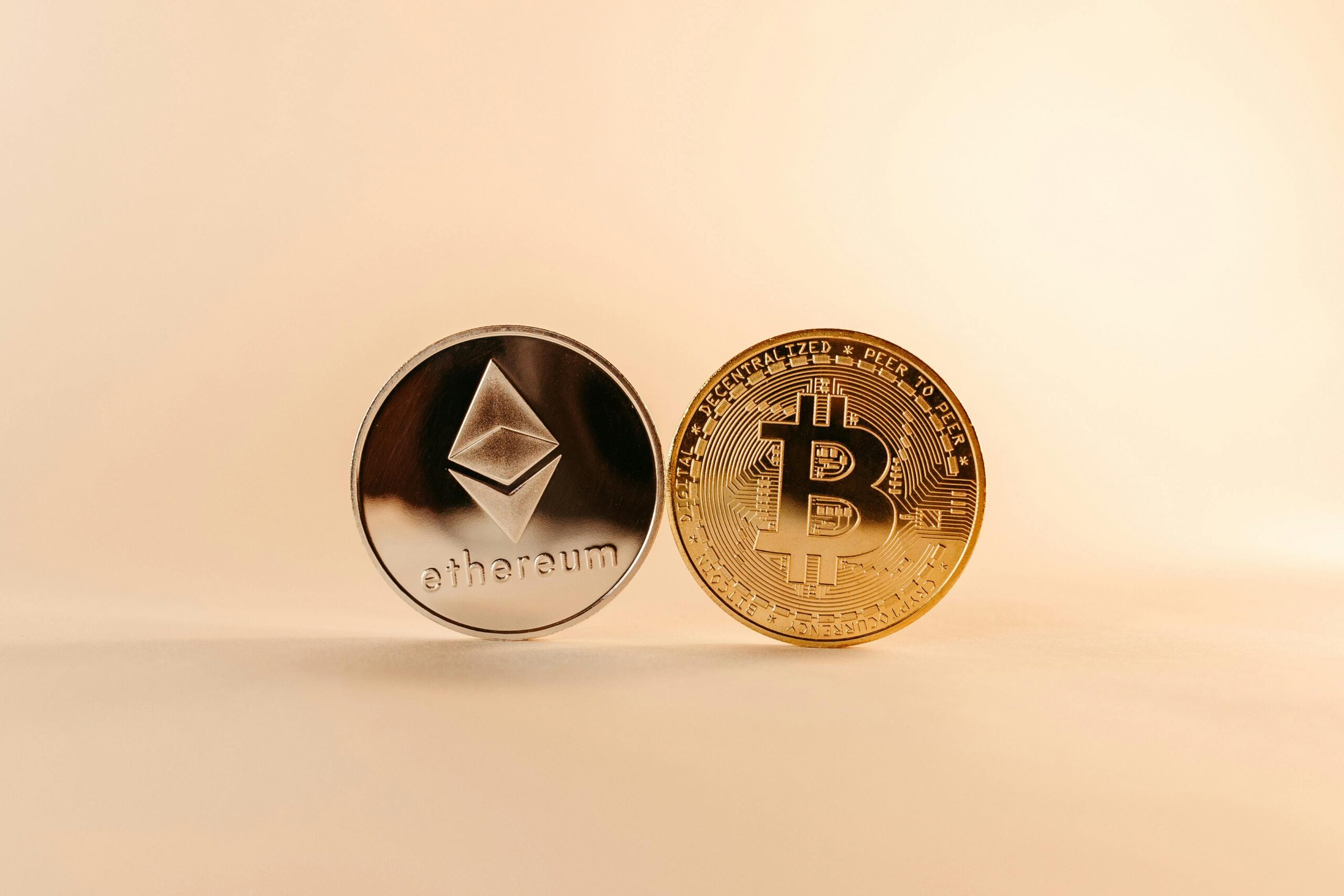
Blockchain technology is transforming how businesses track, verify, and share information across global supply chains, creating unprecedented levels of transparency and accountability.

🔗 The Supply Chain Crisis and Blockchain’s Promise
Modern supply chains have become incredibly complex networks spanning multiple continents, involving countless intermediaries, and handling billions of transactions daily. Traditional systems struggle to maintain visibility across these intricate webs, leading to inefficiencies, fraud, and trust issues that cost the global economy hundreds of billions annually.
The COVID-19 pandemic exposed critical vulnerabilities in these systems, from pharmaceutical supply disruptions to food shortages and manufacturing bottlenecks. Companies realized they lacked real-time visibility into their supply networks, making it nearly impossible to identify problems before they cascaded into major crises.
Enter blockchain technology—a distributed ledger system that promises to revolutionize how supply chain data is recorded, verified, and shared. Unlike centralized databases controlled by single entities, blockchain creates immutable records accessible to all authorized participants, fundamentally changing the trust equation in business relationships.
Understanding Blockchain in Supply Chain Context
At its core, blockchain operates as a digital ledger where transactions are recorded in “blocks” that link together chronologically, forming an unalterable chain. Each participant in the network maintains a copy of this ledger, and new entries require consensus from multiple parties before being permanently added.
This architecture delivers several transformative capabilities for supply chains. First, it eliminates single points of failure—no central authority controls the data, making the system more resilient. Second, it creates transparency without sacrificing privacy, as participants can verify transactions without accessing confidential business information. Third, it establishes an audit trail that cannot be tampered with retroactively.
For supply chain applications, these features translate into real-time tracking of goods, automated verification of authenticity, instant dispute resolution through shared records, and elimination of redundant documentation across multiple systems.
Smart Contracts: Automation Meets Accountability
Smart contracts represent one of blockchain’s most powerful supply chain applications. These self-executing agreements automatically trigger actions when predefined conditions are met, removing manual intervention and reducing errors.
Consider a shipping scenario: a smart contract could automatically release payment to a carrier once GPS data confirms delivery to the correct location, temperature sensors verify proper handling of perishables, and the recipient digitally confirms receipt. This happens instantly, without emails, phone calls, or paperwork delays.
The automation extends beyond payments. Smart contracts can trigger insurance claims when shipments are damaged, reorder inventory when stocks drop below thresholds, and alert all parties when delays occur—all without human intervention, creating unprecedented efficiency and accountability.
🚢 Real-World Applications Transforming Industries
Food and Agriculture: From Farm to Fork
Food supply chains benefit enormously from blockchain’s traceability features. Walmart partnered with IBM Food Trust to track produce from farm to store shelf, reducing the time needed to trace contaminated food from weeks to mere seconds. This capability can prevent widespread outbreaks and save lives.
When consumers scan a QR code on packaging, they access the complete journey of their food—where it was grown, when it was harvested, how it was transported, and every inspection it passed. This transparency builds consumer trust while giving retailers powerful tools to manage recalls and quality issues.
Coffee producers in developing countries use blockchain to prove their beans meet fair-trade standards and receive appropriate compensation. The technology eliminates middlemen who previously controlled information and captured disproportionate value, empowering farmers with direct market access.
Pharmaceuticals: Fighting Counterfeits and Ensuring Safety
Counterfeit medications represent a $200 billion annual problem, causing thousands of deaths and undermining healthcare systems worldwide. Blockchain provides pharmaceutical companies with tools to create unforgeable digital identities for every medicine unit.
From manufacturing through distribution to pharmacy dispensing, each transfer is recorded on the blockchain. Pharmacists and patients can verify authenticity instantly by scanning packaging, while regulators gain visibility into the entire distribution network to identify suspicious patterns.
Temperature-sensitive medications like vaccines require strict cold chain maintenance. IoT sensors integrated with blockchain automatically record temperature data throughout transportation, creating immutable proof of proper handling and immediately flagging any violations.
Automotive and Manufacturing: Component Authenticity
Modern vehicles contain thousands of components from hundreds of suppliers across dozens of countries. Counterfeit or substandard parts pose safety risks and damage brand reputation. Blockchain enables manufacturers to verify the authenticity and provenance of every component.
When recalls occur, automakers can precisely identify which vehicles contain affected parts and notify owners specifically, rather than issuing broad recalls that waste resources and cause unnecessary concern. This precision reduces costs while improving safety outcomes.
The technology also facilitates circular economy initiatives, tracking components through multiple use cycles, verifying refurbishment quality, and ensuring proper recycling of materials at end-of-life.
💼 Business Benefits Beyond Transparency
Cost Reduction Through Efficiency
Administrative costs consume significant portions of supply chain budgets. Blockchain reduces these expenses by eliminating duplicate data entry, reconciliation processes, and dispute resolution procedures that currently require extensive manual labor.
A single shared ledger means companies no longer maintain separate databases that must be constantly synchronized and verified against partners’ records. Documentation like bills of lading, certificates of origin, and customs declarations can be digitized and shared instantly across all relevant parties.
Financial settlements accelerate dramatically when payment terms execute automatically through smart contracts, improving cash flow for all participants. Reduced working capital requirements and faster transaction speeds translate directly to bottom-line improvements.
Risk Management and Compliance
Regulatory compliance grows more complex as governments implement stricter requirements for product safety, environmental sustainability, and labor standards. Blockchain provides auditable proof of compliance at every supply chain stage.
Companies can demonstrate to regulators and customers that products meet specifications, workers received fair wages, and environmental standards were maintained. This documented compliance reduces audit costs and protects against regulatory penalties.
Risk managers gain visibility into potential disruptions before they impact operations. When a supplier experiences problems, all downstream partners receive immediate alerts, enabling proactive adjustments rather than reactive crisis management.
Building Trust and Brand Value
Consumers increasingly demand transparency about product origins, environmental impact, and ethical production practices. Brands that provide verified information through blockchain differentiate themselves in competitive markets and command premium prices.
Luxury goods manufacturers combat counterfeiting by linking physical products to blockchain tokens that prove authenticity. Fashion brands track materials from source to garment, demonstrating commitment to sustainability and ethical labor practices.
This transparency creates competitive advantages that extend beyond individual transactions, building long-term brand equity and customer loyalty that traditional supply chains cannot match.
⚙️ Technical Challenges and Implementation Realities
Integration with Legacy Systems
Most companies operate supply chains through decades-old enterprise resource planning systems that weren’t designed for blockchain integration. Connecting these legacy platforms with distributed ledgers requires significant technical investment and careful change management.
Successful implementations typically adopt hybrid approaches, using blockchain for specific high-value applications while maintaining existing systems for routine operations. APIs and middleware solutions bridge these technologies, allowing gradual adoption without disruptive wholesale replacements.
The integration challenge extends beyond technology to processes and people. Organizations must redesign workflows, train employees, and adjust performance metrics to capture blockchain’s full value.
Scalability and Performance Considerations
Public blockchains like Bitcoin process relatively few transactions per second compared to traditional databases that handle thousands. Supply chains generate massive transaction volumes that can overwhelm blockchain networks designed for maximum security rather than speed.
Private and consortium blockchains address this limitation by restricting participation to verified parties, enabling faster consensus mechanisms. These permissioned networks sacrifice some decentralization for practical performance that meets enterprise requirements.
Emerging solutions like layer-two protocols and sharding techniques promise to dramatically increase blockchain throughput while maintaining security guarantees, but these technologies are still maturing.
Standardization and Interoperability
Multiple blockchain platforms have emerged, each with different technical architectures, consensus mechanisms, and governance models. Supply chains that span multiple industries and geographies need these disparate systems to communicate seamlessly.
Industry consortia are developing standards for data formats, identity management, and cross-chain transactions. Organizations like GS1, which maintains barcode standards, are extending their frameworks to include blockchain protocols.
Until comprehensive standards achieve widespread adoption, companies must carefully evaluate which platforms align with their partners’ choices and long-term strategic directions.
🌍 Environmental Sustainability and Social Impact
Tracking Carbon Footprints
Companies facing pressure to reduce environmental impact use blockchain to track and verify carbon footprints across supply chains. Every transportation leg, manufacturing process, and energy source contributes data to comprehensive emissions calculations.
This granular visibility enables targeted reduction efforts, identifying the specific activities with highest environmental costs. Carbon offset programs gain credibility when blockchain verifies that promised reductions actually occurred and weren’t double-counted across multiple commitments.
Consumers access product-specific carbon footprint information, empowering purchasing decisions that reflect environmental values and creating market incentives for sustainable practices.
Ethical Sourcing and Labor Rights
Blockchain helps combat forced labor and exploitation by documenting working conditions throughout supply chains. Workers can anonymously report violations through blockchain-based systems that protect whistleblower identity while creating permanent records.
Fair trade certifications become verifiable when every transaction in commodity chains is recorded and linked to independently verified labor standards. Buyers confirm that premiums paid for ethical sourcing actually reached producers rather than being captured by intermediaries.
These capabilities particularly benefit industries like electronics, garments, and agriculture, where complex multi-tier supply chains historically obscured labor practices from brand owners and consumers.
🚀 Future Developments and Emerging Trends
Integration with Internet of Things
The convergence of blockchain with IoT sensors creates autonomous supply chains that monitor and respond to conditions without human intervention. Temperature sensors, GPS trackers, and quality monitors continuously feed data to blockchain ledgers, creating real-time visibility into goods throughout their journey.
These systems automatically adjust logistics in response to changing conditions—rerouting shipments around delays, adjusting storage conditions when sensors detect problems, and alerting stakeholders to issues before they escalate.
As IoT devices become cheaper and more capable, this integration will extend deeper into supply networks, monitoring individual items rather than just containers or pallets.
Artificial Intelligence and Predictive Analytics
Machine learning algorithms analyzing blockchain supply chain data identify patterns invisible to human observers. These systems predict disruptions before they occur, optimize inventory levels, and suggest efficiency improvements based on comprehensive historical records.
The immutable audit trail blockchain provides gives AI models high-quality training data free from the inconsistencies and gaps that plague traditional datasets. This combination enables increasingly sophisticated automation and decision support.
Predictive maintenance schedules, demand forecasting, and risk assessment all improve when AI accesses complete, verified supply chain information captured on blockchain platforms.
Decentralized Autonomous Organizations
Future supply chains might operate as decentralized autonomous organizations where smart contracts govern operations according to rules encoded in blockchain protocols. These systems could coordinate logistics, negotiate contracts, and settle disputes without traditional corporate hierarchies.
While fully autonomous supply chains remain futuristic, elements are emerging. Shipping capacity marketplaces match carriers with cargo using blockchain-based smart contracts that execute without brokers. Component manufacturers coordinate production schedules through shared blockchain protocols rather than centralized planning systems.
These developments suggest supply chains evolving from company-controlled hierarchies toward network-based ecosystems governed by transparent, programmable rules.
🎯 Strategic Considerations for Implementation
Starting with Pilot Projects
Successful blockchain adoption typically begins with focused pilot projects that demonstrate value before expanding to broader applications. Companies identify specific pain points—perhaps luxury goods authentication or fresh produce tracking—and implement blockchain solutions addressing those challenges.
These pilots generate learnings about technical requirements, change management needs, and partner coordination that inform larger-scale deployments. Quick wins build organizational support and justify further investment.
The pilot approach also mitigates risks, allowing companies to experiment with different platforms and approaches before committing to enterprise-wide implementations.
Building Collaborative Ecosystems
Blockchain’s value multiplies as more supply chain participants join the network. Companies must approach implementation as collaborative ecosystem-building rather than proprietary technology deployment.
This requires engaging suppliers, customers, logistics providers, and even competitors in developing shared standards and governance frameworks. Industry consortia provide forums for this collaboration, pooling resources and aligning approaches.
Organizations that successfully build these collaborative networks create barriers to competition and establish themselves as central nodes in emerging digital supply chain ecosystems.

🔮 Transforming Supply Chain Futures
Blockchain technology represents more than incremental improvement—it fundamentally reimagines how supply chains operate, replacing opacity with transparency and trust based on reputation with trust based on verification. As implementations mature and technologies advance, the question shifts from whether blockchain will transform supply chains to how quickly and completely this transformation will occur.
Companies investing now in blockchain capabilities position themselves to lead this transformation, capturing competitive advantages while their competitors struggle with legacy approaches. The technology’s potential extends beyond efficiency gains to enabling entirely new business models and value creation mechanisms.
Supply chains have always been about coordination and trust among multiple parties pursuing shared goals. Blockchain provides the technological foundation for this coordination to reach unprecedented levels of effectiveness, creating supply networks that are more efficient, sustainable, and responsive than anything previously possible. The revolution has begun, and its impact will reshape commerce for decades to come.