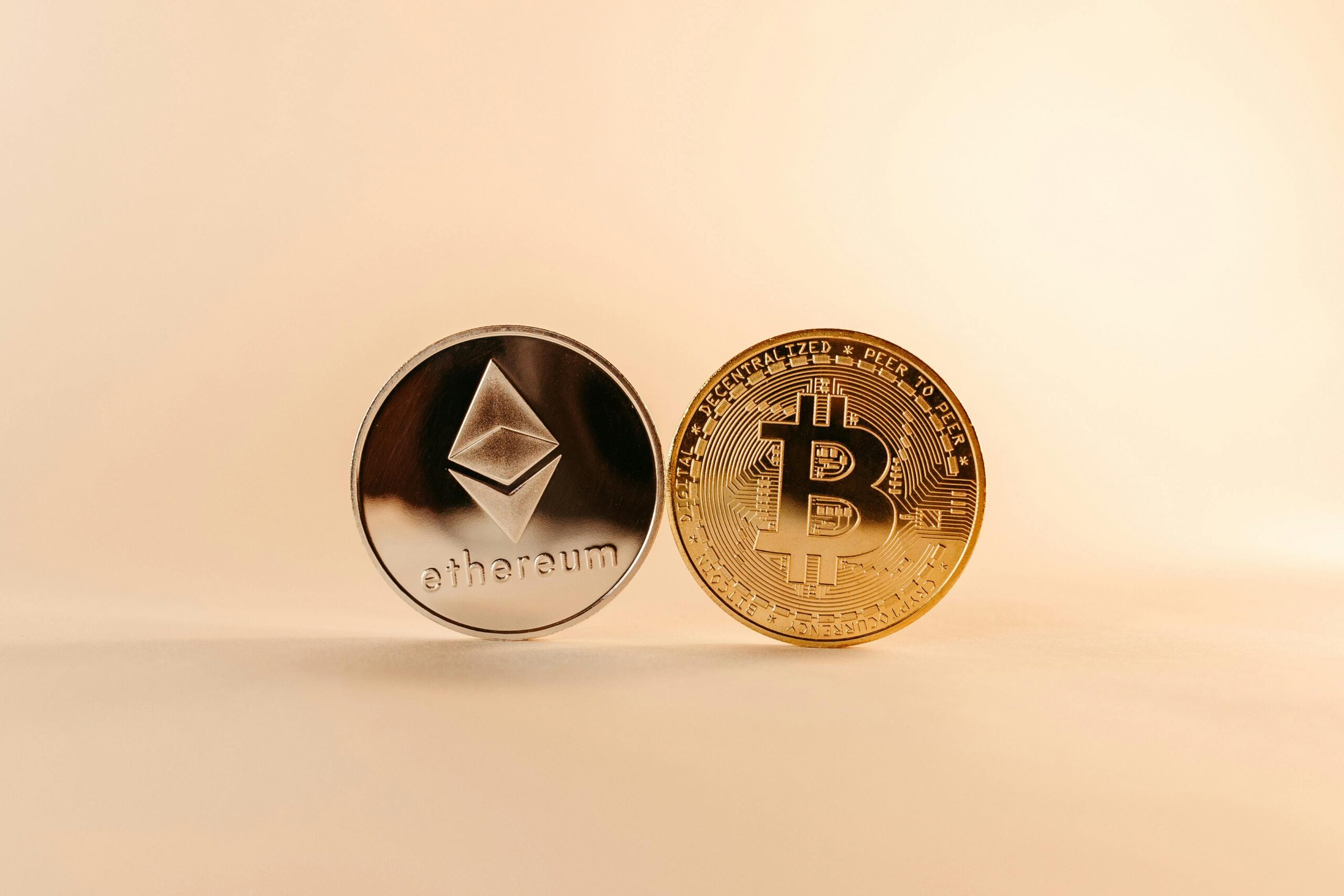
The financial landscape is transforming rapidly, and decentralized finance (DeFi) ecosystems are at the forefront of this revolution, offering unprecedented opportunities for wealth creation and management.

🚀 Understanding the DeFi Revolution
Decentralized finance represents a paradigm shift in how we interact with money, investments, and financial services. Unlike traditional banking systems that rely on centralized authorities and intermediaries, DeFi ecosystems operate on blockchain technology, creating a transparent, accessible, and permissionless financial infrastructure available to anyone with an internet connection.
The emergence of DeFi has democratized access to financial tools that were previously exclusive to wealthy individuals or institutional investors. Through smart contracts and distributed ledger technology, these platforms eliminate the need for traditional gatekeepers, reducing costs and increasing efficiency across various financial operations.
What makes DeFi truly revolutionary is its ability to provide financial services 24/7, without geographical restrictions or discrimination based on credit scores, nationality, or social status. This inclusivity is reshaping the global financial landscape and creating pathways to financial freedom for millions worldwide.
💎 Core Components of DeFi Ecosystems
DeFi ecosystems consist of several interconnected components that work together to create a comprehensive financial infrastructure. Understanding these elements is crucial for anyone seeking to leverage DeFi for financial freedom.
Decentralized Exchanges (DEXs)
Decentralized exchanges allow users to trade cryptocurrencies directly with one another without intermediaries. Platforms like Uniswap, SushiSwap, and PancakeSwap have revolutionized trading by implementing automated market makers (AMMs) that use liquidity pools instead of traditional order books. This innovation ensures constant liquidity and enables users to trade assets instantly while maintaining control of their funds.
Lending and Borrowing Platforms
DeFi lending protocols such as Aave, Compound, and MakerDAO enable users to lend their crypto assets to earn interest or borrow against their holdings without credit checks. These platforms use over-collateralization and algorithmic interest rates to maintain system stability while providing attractive yields that often surpass traditional savings accounts.
Yield Farming and Liquidity Mining
Yield farming allows users to maximize returns by strategically moving assets between different DeFi protocols to capture the highest yields. Liquidity providers earn fees and governance tokens by supplying capital to liquidity pools, creating passive income streams that can significantly outperform traditional investment vehicles.
Stablecoins and Synthetic Assets
Stablecoins bridge the gap between volatile cryptocurrencies and stable fiat currencies, providing price stability within DeFi ecosystems. Protocols like DAI, USDC, and USDT enable users to preserve value while participating in DeFi activities. Synthetic assets expand this further by creating blockchain-based representations of real-world assets, from stocks to commodities.
🔓 Breaking Free from Traditional Financial Constraints
The power of DeFi ecosystems lies in their ability to dismantle barriers that have historically prevented individuals from achieving financial freedom. Traditional financial systems impose numerous restrictions that DeFi effectively eliminates.
Bank account requirements, minimum balance fees, and limited operating hours become obsolete in DeFi. Anyone can access sophisticated financial instruments without waiting for approval from centralized authorities. This accessibility is particularly transformative for the unbanked and underbanked populations, which comprise approximately 1.7 billion adults globally according to World Bank data.
Geographic restrictions disappear entirely in DeFi ecosystems. Whether you’re in New York or Nairobi, Tokyo or Toronto, the same opportunities are available. This global accessibility creates a level playing field where merit and strategy matter more than location or connections.
Transaction costs in DeFi are typically lower than traditional finance because intermediaries are eliminated. While blockchain gas fees can fluctuate, the overall cost structure often proves more economical, especially for international transactions that would incur substantial fees through conventional banking channels.
📊 Wealth Creation Opportunities in DeFi
DeFi ecosystems offer multiple avenues for building and growing wealth, each with different risk-reward profiles suitable for various investor preferences and risk tolerances.
Staking Rewards
Staking involves locking cryptocurrency holdings to support network operations and security. In return, participants receive rewards, often ranging from 5% to 20% annually, depending on the network and market conditions. This passive income strategy requires minimal active management while contributing to blockchain security.
Liquidity Provision
Providing liquidity to decentralized exchanges generates income through trading fees. Liquidity providers deposit equal values of two tokens into a pool and receive LP tokens representing their share. As users trade through the pool, liquidity providers earn a percentage of each transaction fee proportional to their contribution.
Governance Token Appreciation
Many DeFi protocols distribute governance tokens that grant voting rights on protocol decisions. These tokens often appreciate significantly as protocols grow and attract more users. Early participants in successful protocols have seen substantial returns from governance token appreciation.
Arbitrage and Trading Opportunities
Price discrepancies between different DeFi platforms create arbitrage opportunities. Sophisticated traders use automated bots to capitalize on these inefficiencies, generating profits from price differentials across exchanges. While this requires technical knowledge, it represents a legitimate wealth creation strategy within DeFi ecosystems.
⚡ Risk Management in Decentralized Finance
While DeFi offers tremendous opportunities, it also presents unique risks that participants must understand and manage effectively. Financial freedom requires not just wealth creation but also wealth preservation.
Smart contract vulnerabilities represent a significant risk in DeFi. Despite rigorous auditing, bugs or exploits can lead to substantial losses. Diversifying across multiple protocols and limiting exposure to any single platform helps mitigate this risk. Always research whether protocols have undergone professional security audits before committing significant capital.
Impermanent loss affects liquidity providers when token prices diverge from their initial ratio. This phenomenon can reduce returns or even result in losses compared to simply holding assets. Understanding how impermanent loss works and choosing stable token pairs can minimize this risk.
Market volatility remains an inherent characteristic of cryptocurrency markets. DeFi participants should never invest more than they can afford to lose and should maintain appropriate risk management strategies, including position sizing and diversification across different asset classes.
Regulatory uncertainty poses another challenge as governments worldwide develop frameworks for cryptocurrency and DeFi regulation. Staying informed about regulatory developments in your jurisdiction and maintaining compliance with applicable laws protects against potential legal complications.
🛠️ Getting Started with DeFi Ecosystems
Entering the DeFi space requires preparation and education. The learning curve can be steep, but systematic approach makes the journey manageable and rewarding.
Setting Up Your Digital Wallet
Your journey begins with establishing a non-custodial wallet that gives you complete control over your assets. MetaMask, Trust Wallet, and Ledger hardware wallets are popular choices that support multiple blockchains and DeFi protocols. Properly securing your seed phrase is critical—write it down physically and store it in multiple secure locations, never digitally.
Understanding Gas Fees and Network Selection
Different blockchains have varying fee structures. Ethereum offers the most extensive DeFi ecosystem but often has higher gas fees. Alternative networks like Binance Smart Chain, Polygon, and Avalanche provide lower-cost options with growing DeFi ecosystems. Starting with lower-cost networks allows you to learn without significant transaction expenses.
Research and Due Diligence
Never invest in protocols you don’t understand. Research project fundamentals, read documentation, check audit reports, and assess community sentiment. Websites like DeFi Pulse, DeFi Llama, and protocol-specific resources provide valuable information for making informed decisions.
Starting Small and Scaling Gradually
Begin with modest amounts to familiarize yourself with DeFi mechanics. Test different protocols, understand transaction processes, and experience the ecosystem firsthand before committing substantial capital. This approach minimizes potential losses during your learning phase while building confidence and competence.
🌐 The Future of Financial Independence Through DeFi
The DeFi ecosystem continues evolving rapidly, with innovations constantly expanding possibilities for financial freedom. Understanding emerging trends helps position you advantageously for future opportunities.
Cross-chain interoperability is improving, allowing seamless asset transfers between different blockchains. This development will create more efficient markets and expand opportunities for yield optimization across multiple ecosystems simultaneously.
Institutional adoption is increasing as traditional financial players recognize DeFi’s potential. This trend brings additional liquidity, legitimacy, and stability to DeFi markets while creating new products that bridge conventional and decentralized finance.
Regulatory clarity is gradually emerging in various jurisdictions. While some uncertainty remains, clearer frameworks will likely accelerate mainstream adoption by reducing compliance concerns and providing legal protections for participants.
Decentralized identity solutions are developing to provide privacy-preserving compliance mechanisms. These innovations will enable DeFi to offer services requiring identity verification without compromising user privacy or decentralization principles.
💪 Building Sustainable Financial Freedom
Achieving genuine financial freedom through DeFi requires more than just chasing high yields. A sustainable approach balances opportunity seeking with prudent risk management and continuous learning.
Diversification across different protocols, blockchains, and asset types protects against concentration risk. Allocating capital across lending platforms, liquidity pools, and staking opportunities creates multiple income streams while reducing exposure to any single point of failure.
Regular profit-taking ensures you realize gains rather than simply holding paper profits. Establish rules for taking profits at predetermined intervals or price targets, and consider rebalancing your portfolio periodically to maintain your desired risk exposure.
Continuous education keeps you informed about new opportunities and emerging risks. The DeFi space evolves rapidly, and staying current through podcasts, newsletters, community forums, and educational resources gives you competitive advantages in identifying promising opportunities early.
Tax compliance protects your wealth from legal complications. DeFi transactions have tax implications in most jurisdictions. Maintaining detailed records and consulting with tax professionals familiar with cryptocurrency ensures compliance while optimizing your tax strategy legally.
🎯 Maximizing Your DeFi Journey
Success in DeFi ecosystems comes from strategic thinking, patience, and disciplined execution. The path to financial freedom isn’t always linear, but consistent application of sound principles yields results over time.
Community engagement provides invaluable insights and support. Participating in protocol governance, joining Discord channels, and contributing to discussions connects you with experienced participants who share knowledge and perspectives that enhance your decision-making.
Automation tools can optimize your DeFi activities. Services like Zapper and Zerion aggregate your positions across multiple protocols, providing comprehensive portfolio views. Yield aggregators automatically move funds to maximize returns, though they introduce additional smart contract risk.
Security practices cannot be overemphasized. Use hardware wallets for significant holdings, enable two-factor authentication where available, regularly update software, and remain vigilant against phishing attempts. Your security measures directly impact your ability to maintain financial freedom once achieved.
The power of DeFi ecosystems lies in their potential to democratize access to sophisticated financial instruments and opportunities previously reserved for elite participants. By eliminating intermediaries, reducing costs, and removing arbitrary barriers, DeFi creates pathways to financial freedom for anyone willing to learn and participate responsibly.
As traditional finance continues evolving alongside decentralized alternatives, those who understand and leverage DeFi ecosystems position themselves advantageously for the future financial landscape. The journey requires education, discipline, and risk management, but the potential rewards—true financial sovereignty and freedom—make it a worthwhile pursuit for those committed to taking control of their financial destiny.
Financial freedom through DeFi isn’t about getting rich quickly; it’s about building sustainable income streams, preserving capital, and creating options that liberate you from dependence on traditional financial systems. With careful planning, continuous learning, and prudent risk management, DeFi ecosystems offer genuine pathways to achieving the financial independence that transforms possibilities into reality.