
The convergence of clean technology and circular economy principles represents a transformative approach to addressing environmental challenges while creating sustainable economic value for generations.

As our planet faces unprecedented environmental pressures from climate change, resource depletion, and pollution, the traditional linear economic model of “take-make-dispose” has proven fundamentally unsustainable. Clean technology, or cleantech, emerged as a promising solution to reduce environmental impact through innovation. However, the true revolutionary potential lies in combining cleantech with circular economy principles—a systemic approach that redesigns products, services, and business models to eliminate waste and continuously cycle resources.
This integration isn’t merely an environmental imperative; it’s becoming an economic necessity. Forward-thinking companies are discovering that circular cleantech strategies unlock new revenue streams, reduce operational costs, enhance resilience, and create competitive advantages in an increasingly resource-constrained world.
🔄 Understanding the Circular Economy Framework
The circular economy represents a fundamental departure from conventional economic thinking. Rather than viewing products as items with a finite lifecycle ending in disposal, the circular model reimagines them as components in closed-loop systems where materials maintain their value indefinitely.
At its core, the circular economy operates on three foundational principles: designing out waste and pollution, keeping products and materials in use, and regenerating natural systems. These principles challenge businesses to rethink everything from initial design concepts to end-of-life management strategies.
Clean technology serves as the enabling force that makes circular economy principles practical and scalable. Advanced materials science, digital tracking systems, renewable energy sources, and innovative recycling technologies provide the tools necessary to close material loops effectively.
The Business Case for Circular Clean Tech
Organizations adopting circular cleantech approaches are realizing substantial benefits beyond environmental gains. Resource efficiency directly translates to cost savings, with some manufacturers reducing raw material expenses by up to 60% through circular design and remanufacturing programs.
Customer expectations are shifting dramatically as well. Research indicates that over 70% of consumers consider sustainability when making purchasing decisions, with younger demographics showing even stronger preferences for circular products and services. Companies responding to this demand are capturing market share and building brand loyalty.
Furthermore, regulatory landscapes worldwide are increasingly favoring circular approaches. Extended producer responsibility laws, plastic bans, right-to-repair legislation, and carbon pricing mechanisms create both compliance requirements and competitive opportunities for circular cleantech innovators.
⚡ Key Technologies Driving the Circular Transformation
Several breakthrough technologies are accelerating the transition toward circular cleantech systems, each addressing specific challenges in closing material loops and optimizing resource utilization.
Advanced Materials and Biodegradable Alternatives
Material innovation stands at the forefront of circular cleantech. Scientists and engineers are developing alternatives to conventional materials that either biodegrade harmlessly or can be infinitely recycled without quality degradation.
Bio-based plastics derived from agricultural waste, algae, and other renewable sources are replacing petroleum-based polymers in packaging, textiles, and consumer goods. Unlike traditional plastics that persist for centuries, these materials decompose naturally or can be composted, effectively eliminating plastic pollution at its source.
Meanwhile, advances in metallurgy are enabling the creation of alloys specifically designed for recyclability. These materials maintain their properties through multiple recycling cycles, reducing the need for virgin resource extraction while preserving performance characteristics.
Digital Technologies and the Internet of Things
Digital technologies provide unprecedented visibility into material flows, product lifecycles, and resource utilization patterns. Internet of Things (IoT) sensors embedded in products enable real-time monitoring of condition, location, and usage patterns—information critical for implementing circular business models.
Blockchain technology is emerging as a powerful tool for establishing transparent supply chains and material passports. These digital records track materials throughout their lifecycle, documenting composition, origin, and treatment history. This traceability facilitates recovery and recycling by providing the information necessary to process materials appropriately.
Artificial intelligence and machine learning algorithms optimize circular systems by predicting maintenance needs, identifying recycling opportunities, and matching waste streams with potential users. These technologies transform what were once linear waste disposal processes into dynamic material marketplaces.
Renewable Energy Integration
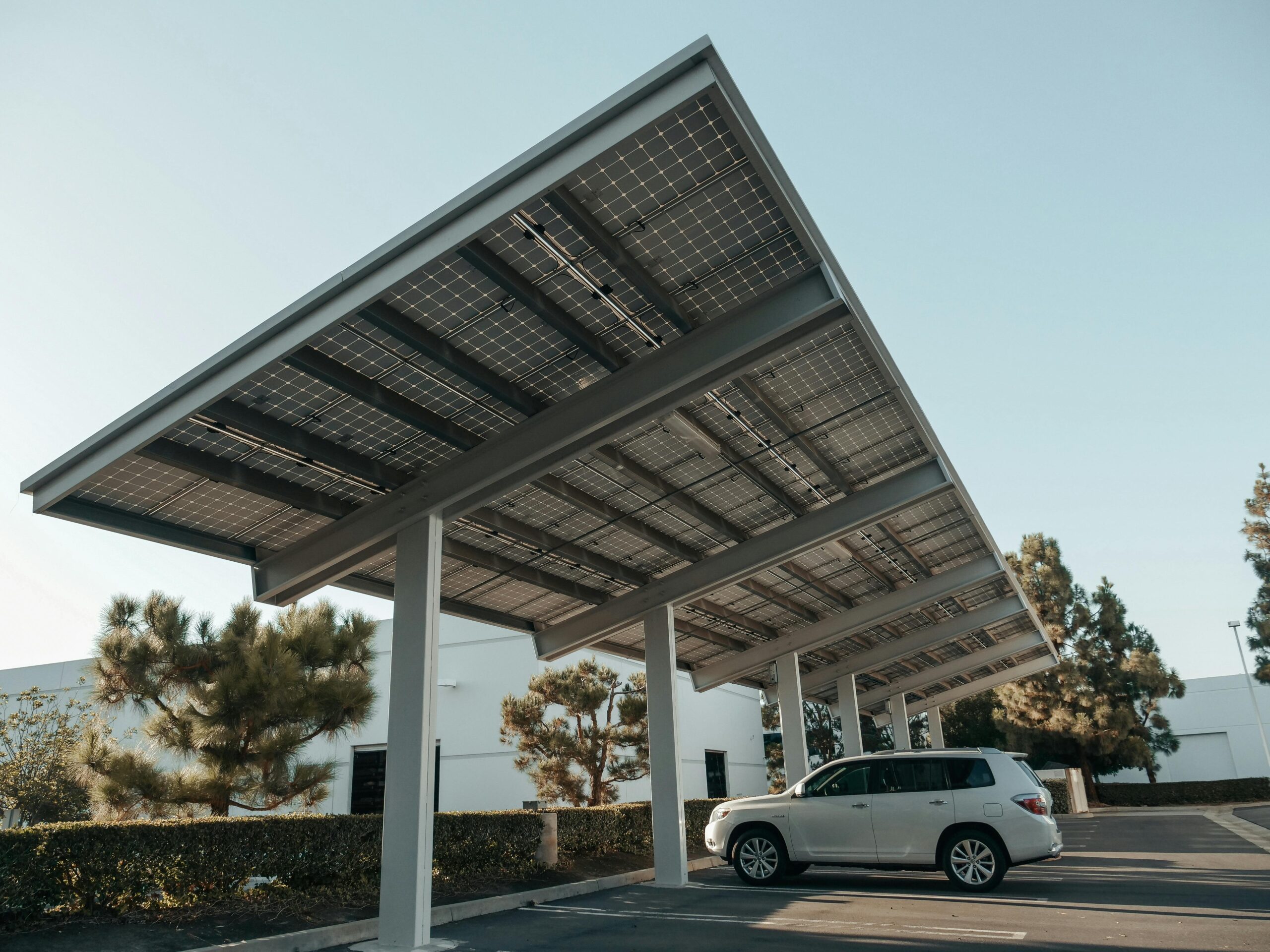
Circular economy principles extend beyond materials to encompass energy systems. Clean energy technologies—solar, wind, hydroelectric, and emerging sources—are essential for powering circular processes without perpetuating fossil fuel dependence.
Distributed renewable energy systems enable localized circular economies by providing the power necessary for on-site recycling, remanufacturing, and production. Solar-powered recycling facilities and wind-powered manufacturing plants exemplify this integration.
Energy storage technologies, particularly advanced batteries and hydrogen systems, complement renewable generation by addressing intermittency challenges. Importantly, these storage systems themselves must be designed according to circular principles to avoid creating new waste streams.
🏭 Industry Applications Transforming Sectors
Circular cleantech principles are being implemented across diverse industries, each adapting the core concepts to sector-specific challenges and opportunities.
Fashion and Textiles
The fashion industry, historically one of the most polluting sectors, is undergoing a circular transformation. Innovative companies are implementing take-back programs, developing recyclable fabrics, and creating clothing designed for disassembly and material recovery.
Textile-to-textile recycling technologies now enable old garments to be chemically or mechanically processed into fibers for new clothing, eliminating the downcycling that previously characterized textile recycling. Brands are also experimenting with rental and resale models that keep garments in use longer while generating recurring revenue.
Electronics and Technology
Electronic waste represents one of the fastest-growing waste streams globally, containing both valuable materials and hazardous substances. Circular cleantech approaches in electronics focus on modular design, material recovery, and product-as-a-service models.
Modular smartphones and laptops allow consumers to upgrade individual components rather than replacing entire devices, dramatically extending product lifespans. Meanwhile, advanced recycling technologies recover precious metals and rare earth elements from obsolete electronics at increasing efficiency rates.
Major technology companies are establishing closed-loop supply chains where materials recovered from returned products are reintegrated into new manufacturing, reducing dependence on mining while addressing supply chain risks associated with critical materials.
Construction and Built Environment
The construction industry consumes enormous quantities of resources and generates substantial waste. Circular cleantech solutions in this sector include designing buildings for disassembly, utilizing recycled and bio-based materials, and implementing material passports for building components.
Innovative architects are creating structures where every component is catalogued and designed to be easily removed and reused. This approach transforms buildings from permanent fixtures into material banks that can be “mined” for future construction projects.
Advanced concrete formulations incorporating recycled materials and carbon-capture technologies demonstrate how traditional materials can be reimagined through cleantech innovation to reduce environmental impact while maintaining performance.
💡 Business Models Enabling Circularity
Implementing circular cleantech requires not just technological innovation but also fundamental business model transformation. Several emerging models are proving particularly effective at aligning economic incentives with circular principles.
Product-as-a-Service
Product-as-a-service models shift the focus from selling products to providing functionality. Rather than purchasing items outright, customers pay for access or performance, while manufacturers retain ownership and responsibility for maintenance, upgrades, and end-of-life management.
This model inherently incentivizes durability, repairability, and resource efficiency. When companies maintain ownership, designing products that last longer and can be easily refurbished becomes economically advantageous rather than counterproductive to revenue generation.
Lighting-as-a-service exemplifies this approach, with companies providing illumination solutions rather than selling fixtures. They retain ownership of equipment, optimize energy efficiency, and recover materials when components reach end-of-life, creating value throughout the entire cycle.
Sharing Platforms and Collaborative Consumption
Digital platforms enabling sharing and collaborative consumption maximize asset utilization by connecting owners with potential users. By increasing the intensity of product use, these models reduce the total number of products required to meet demand.
Transportation represents the most visible application, with vehicle-sharing services reducing private car ownership in urban areas. However, the model extends to tools, equipment, clothing, and even renewable energy capacity through peer-to-peer energy trading platforms.
Remanufacturing and Refurbishment Programs
Remanufacturing involves restoring used products to like-new condition, often with upgraded components and renewed warranties. This process captures most of the embodied energy and materials from the original manufacturing while requiring only a fraction of the resources needed for new production.
Industries from automotive to medical equipment have established successful remanufacturing operations that generate margins comparable to or exceeding new product sales. The key lies in designing products from the outset with remanufacturing in mind, incorporating features that facilitate disassembly and component replacement.
🌍 Scaling Circular Clean Tech: Challenges and Solutions
Despite compelling benefits, scaling circular cleantech faces significant obstacles that require coordinated action across multiple stakeholders.
Infrastructure and System Integration
Circular economy systems require infrastructure for collection, sorting, processing, and redistribution of materials and products. Existing waste management infrastructure was designed for linear disposal, not material recovery and cycling.
Addressing this challenge requires substantial investment in reverse logistics networks, advanced sorting facilities, and localized processing capabilities. Public-private partnerships are emerging as effective mechanisms for financing and developing this infrastructure.
Standardization represents another critical need. Without common approaches to design, material coding, and quality standards, materials recovery becomes unnecessarily complex and expensive. Industry collaborations and regulatory standards are gradually establishing the frameworks necessary for system-level integration.
Economic and Financial Barriers
Traditional economic systems often favor linear approaches through subsidies, tax structures, and accounting practices that fail to capture circular value creation. Virgin material extraction frequently receives subsidies that make recycled alternatives economically disadvantageous.
Innovative financing mechanisms are emerging to support circular transitions. Green bonds, circular economy funds, and performance-based financing models provide capital for circular investments. Governments are also implementing policy reforms that internalize environmental costs and reward circular practices.
Cultural and Behavioral Shifts
Circular models often require consumers and businesses to embrace new relationships with products—valuing access over ownership, quality over quantity, and longevity over novelty. These cultural shifts take time and require education and engagement.
Successful circular companies invest heavily in customer education, transparently communicating the benefits and operation of circular models. As awareness grows and positive experiences accumulate, behavioral barriers diminish and circular approaches gain mainstream acceptance.
🚀 The Path Forward: Creating Systemic Change
Realizing the full potential of circular cleantech requires systemic transformation involving collaboration across sectors, geographies, and value chains.
Policy makers play a crucial role in establishing regulatory frameworks that level the playing field and create incentives for circular innovation. Extended producer responsibility, material taxes, circular procurement requirements, and right-to-repair legislation represent powerful policy tools that accelerate the transition.
Education and workforce development must adapt to prepare professionals for circular economy careers. Design education should integrate circular principles from the outset, while vocational training programs should emphasize repair, remanufacturing, and material recovery skills.
Cross-sector collaboration and industrial symbiosis—where the waste from one process becomes feedstock for another—create new value and strengthen economic resilience. Digital platforms facilitating these connections are emerging as critical infrastructure for circular economies.
Research and development investment remains essential for advancing the technologies that enable circular systems. From breakthrough materials to advanced recycling processes to digital tracking systems, continued innovation expands the scope and efficiency of circular approaches.
🌟 Embracing the Circular Future
The integration of clean technology with circular economy principles represents far more than an incremental improvement to existing systems. It constitutes a fundamental reimagining of how we create, use, and manage resources—one that aligns economic prosperity with environmental sustainability.
Organizations pioneering circular cleantech approaches are not merely reducing their environmental impact; they’re building more resilient, innovative, and profitable businesses. They’re reducing vulnerability to resource price volatility, accessing new markets, and attracting top talent motivated by purpose alongside profit.
The transition to circular clean tech won’t happen overnight, and challenges remain substantial. However, the trajectory is clear, the business case is compelling, and the environmental imperative is undeniable. Those who embrace circular principles today are positioning themselves as leaders in the sustainable economy of tomorrow.
As technologies mature, infrastructure develops, policies evolve, and cultural norms shift, circular cleantech will move from innovative exception to standard practice. The revolution is already underway, transforming industries and creating opportunities for those bold enough to reimagine what’s possible when environmental responsibility and economic vitality work in harmony.
The future belongs to those who recognize that true innovation lies not in creating more efficient ways to deplete resources, but in designing systems where waste becomes obsolete and sustainability becomes synonymous with prosperity. That future is circular, it’s clean, and it’s within our grasp.