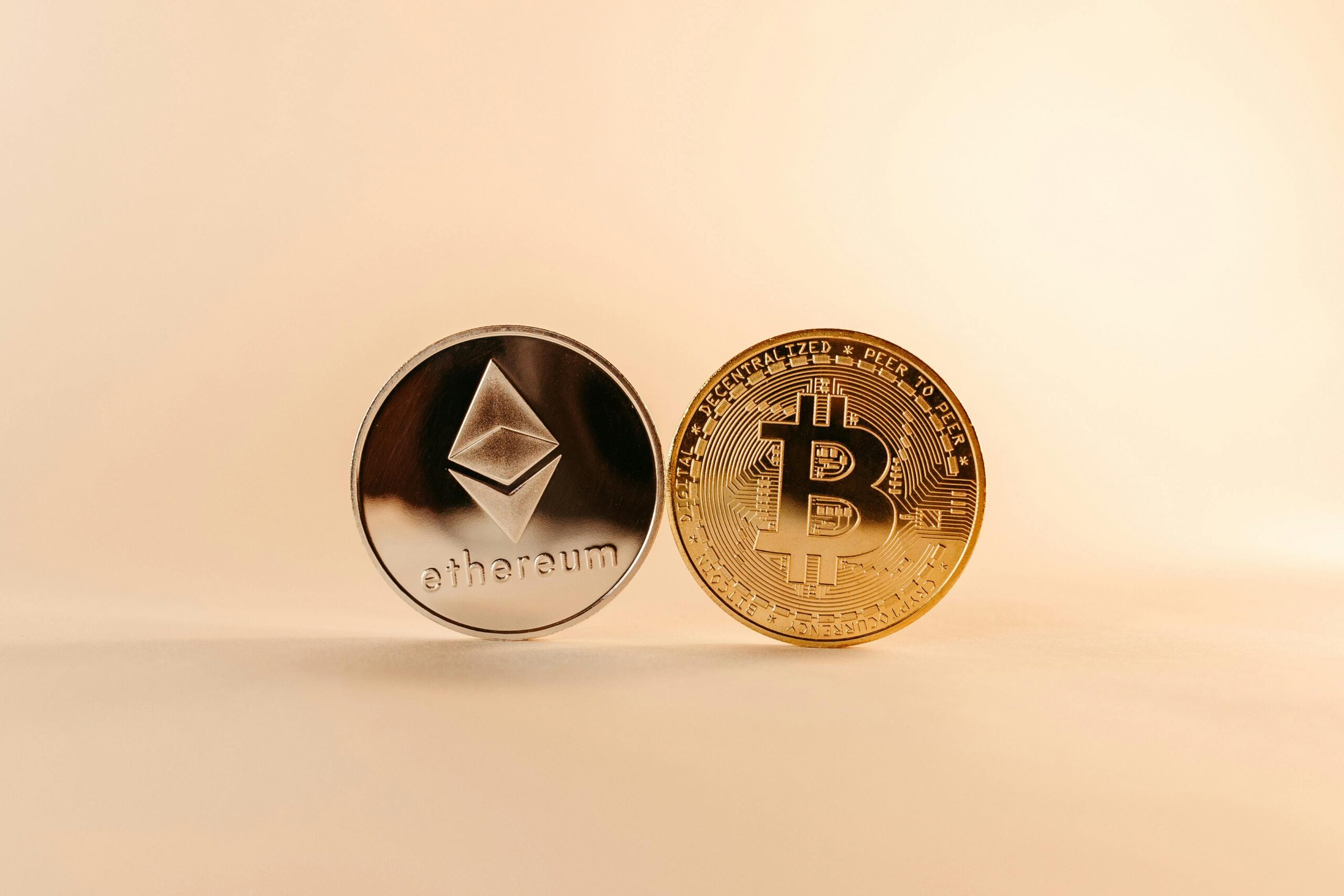
Electronic waste is rapidly becoming one of the planet’s most pressing environmental challenges, demanding innovative solutions that go beyond traditional recycling methods to address our growing digital footprint.

🌍 The Escalating E-Waste Crisis: Understanding the Magnitude
The world generated approximately 53.6 million metric tons of electronic waste in 2019, and projections suggest this number will reach 74 million metric tons by 2030. This staggering increase reflects our insatiable appetite for the latest smartphones, laptops, tablets, and smart devices. As technology evolves at breakneck speed, our discarded electronics are piling up faster than ever before.
Electronic waste contains valuable materials like gold, silver, copper, and rare earth elements, alongside hazardous substances including lead, mercury, and cadmium. When improperly disposed of, these toxic materials leach into soil and groundwater, creating severe environmental and health hazards. The informal recycling sector in developing nations often employs dangerous methods to extract valuable components, exposing workers to life-threatening conditions.
The economic potential locked within e-waste is equally remarkable. The raw materials contained in discarded electronics are worth approximately $57 billion annually, yet only 17.4% of global e-waste is formally collected and recycled. This represents a massive missed opportunity for resource recovery and circular economy development.
⚡ Artificial Intelligence and Machine Learning in E-Waste Sorting
Traditional e-waste sorting relies heavily on manual labor, making it time-consuming, costly, and potentially hazardous. Cutting-edge artificial intelligence systems are revolutionizing this process by enabling automated identification and separation of electronic components with unprecedented accuracy and speed.
Advanced computer vision systems equipped with deep learning algorithms can now distinguish between different types of plastics, metals, and electronic components in milliseconds. These systems use high-resolution cameras and sensors to analyze material composition, brand, model, and potential value. Machine learning models trained on millions of images can identify specific phone models, circuit board types, and component grades with accuracy rates exceeding 95%.
Robotics companies are developing sophisticated sorting robots that combine AI vision with precise mechanical manipulation. These systems can process thousands of items per hour, dramatically outperforming manual sorting operations. Some facilities report efficiency improvements of up to 300% after implementing AI-powered sorting technologies.
Real-World Implementation Success Stories
European recycling facilities have deployed AI-powered sorting lines that automatically separate smartphones by manufacturer and model, enabling more targeted material recovery processes. In Japan, specialized robots identify and remove batteries from electronic devices before processing, significantly reducing fire risks and improving worker safety.
American companies are utilizing machine learning algorithms to predict the residual value of incoming electronics, optimizing pricing for buyback programs and ensuring maximum recovery of valuable components. These predictive models analyze market trends, component prices, and device conditions to make real-time financial decisions.
🔬 Advanced Chemical Recycling and Urban Mining Technologies
Breaking down electronic components to their molecular level requires sophisticated chemical processes that can selectively extract valuable materials while neutralizing hazardous substances. Revolutionary chemical recycling technologies are making this increasingly efficient and environmentally friendly.
Hydrometallurgical processes use aqueous chemistry to dissolve and separate metals from electronic waste. Modern techniques employ environmentally benign solvents and selective precipitation methods to recover precious metals with purity levels exceeding 99%. These processes generate minimal toxic byproducts compared to traditional smelting methods.
Bioleaching represents an innovative approach that harnesses microorganisms to extract metals from electronic waste. Specific bacterial strains can metabolize metals from circuit boards and electronic components, offering a low-energy, environmentally sustainable alternative to conventional extraction methods. Research facilities worldwide are engineering specialized microbes with enhanced metal-extraction capabilities.
Supercritical Fluid Technology for Plastic Recovery
Electronic devices contain numerous types of plastics that are traditionally difficult to separate and recycle. Supercritical fluid extraction technology uses carbon dioxide under specific temperature and pressure conditions to selectively dissolve and separate different plastic types. This method achieves remarkable purity levels, producing recycled plastics suitable for manufacturing new electronic components.
Emerging electrochemical recycling methods apply controlled electrical currents to dissolve and recover metals from complex electronic assemblies. These processes operate at room temperature, require minimal chemical inputs, and can be precisely controlled to target specific materials, making them ideal for recovering rare earth elements and precious metals from high-value components.
📱 Blockchain Technology for E-Waste Traceability
Establishing transparent supply chains for electronic waste requires robust tracking systems that follow materials from collection through final recycling. Blockchain technology provides an immutable ledger that records every transaction and transfer in the e-waste lifecycle.
Smart contracts automatically execute payments and transfers when specific recycling milestones are achieved, ensuring accountability throughout the process. Consumers can verify that their discarded electronics were properly recycled, while recyclers can demonstrate compliance with environmental regulations.
Several innovative platforms are implementing blockchain-based reward systems that incentivize proper e-waste disposal. Users who return electronics to certified collection points receive digital tokens redeemable for discounts on new devices or other rewards. This gamification approach has dramatically increased participation rates in e-waste collection programs.
🤖 Automated Disassembly Systems and Design for Recycling
Modern electronics are notoriously difficult to disassemble due to adhesives, specialized fasteners, and integrated components. Advanced robotic disassembly systems equipped with force sensors, thermal tools, and multi-axis manipulation can safely take apart complex devices without damaging valuable components.
Apple’s Daisy robot can disassemble 200 iPhones per hour, carefully removing and sorting components for material recovery. The system uses specialized tools to handle different iPhone models, adapting its process based on the specific device configuration. This targeted approach maximizes material recovery rates while minimizing contamination.
Design for recycling principles are increasingly influencing product development. Manufacturers are adopting modular designs with standardized connectors, eliminating adhesives in favor of mechanical fasteners, and clearly labeling material types to facilitate end-of-life processing. Some companies are implementing digital product passports that provide detailed disassembly instructions and material compositions.
3D Scanning and Digital Twins for Recycling Optimization
Three-dimensional scanning technologies create detailed digital models of incoming electronic waste, allowing automated systems to plan optimal disassembly sequences. These digital twins can be analyzed by AI algorithms to determine the most efficient and valuable recovery pathways before physical processing begins.
🔋 Specialized Battery Recovery Technologies
Lithium-ion batteries present unique challenges due to fire risks and complex material compositions. Cutting-edge battery recycling technologies employ cryogenic processing that freezes batteries at extremely low temperatures, making them safe to mechanically shred without risk of thermal runaway.
Direct cathode recycling represents a breakthrough approach that recovers cathode materials without breaking them down to elemental components. This process maintains the complex crystal structures of battery materials, significantly reducing the energy and cost required to produce new batteries. Several companies report that recycled cathode materials perform identically to virgin materials in new battery applications.
Pyrometallurgical processes use high-temperature smelting to recover valuable metals from batteries. Modern facilities incorporate sophisticated emission control systems and energy recovery mechanisms, making these operations increasingly sustainable. Some facilities achieve energy self-sufficiency by capturing heat from smelting operations.
🌐 Internet of Things Sensors for Collection Optimization
Smart collection infrastructure uses IoT sensors to monitor fill levels in e-waste collection bins, optimizing pickup routes and reducing transportation costs and emissions. Predictive analytics determine optimal collection schedules based on historical patterns and seasonal trends.
Mobile applications connect consumers with nearby collection points, provide information about accepted items, and offer incentives for participation. Some platforms integrate with manufacturer take-back programs, allowing users to initiate recycling processes directly from their smartphones.
Geographic information systems analyze e-waste generation patterns to identify underserved areas and optimize collection infrastructure placement. This data-driven approach ensures equitable access to recycling services while maximizing program efficiency.
💡 Circular Economy Platforms and Extended Producer Responsibility
Digital platforms are facilitating circular economy models by connecting manufacturers, recyclers, refurbishers, and consumers in integrated ecosystems. These marketplaces enable efficient material flows, ensuring that recovered components and materials find productive applications in new products.
Extended producer responsibility programs hold manufacturers accountable for end-of-life management of their products. Advanced tracking systems monitor compliance and calculate environmental impacts, creating transparency and driving continuous improvement in product design and recycling performance.
Refurbishment and remanufacturing operations are becoming increasingly sophisticated, using diagnostic algorithms and automated testing equipment to identify components suitable for reuse. These operations extend product lifecycles and reduce demand for virgin materials while providing affordable electronics to underserved markets.
🎯 Rare Earth Element Recovery: Unlocking Critical Materials
Electronic devices contain small quantities of rare earth elements essential for modern technology but extremely difficult to extract. Innovative separation technologies use ionic liquids, supercritical fluids, and selective membrane systems to isolate these valuable materials from complex waste streams.
Electromagnetic sorting technologies can identify and separate components containing rare earth magnets, concentrating these materials before chemical processing. This pre-concentration step dramatically improves the economics of rare earth recovery from e-waste.
Several countries recognize rare earth recovery as a strategic priority for supply chain security. Government-funded research programs are developing novel extraction methods specifically designed for e-waste applications, moving beyond traditional mining-focused approaches.
🚀 Nanotechnology Applications in Material Recovery
Nanomaterial-based adsorbents exhibit extraordinary selectivity for specific metals, enabling precise separation from complex waste streams. Functionalized nanoparticles can target individual elements like gold or palladium, binding to them at the molecular level for efficient recovery.
Nano-enabled sensors detect trace amounts of valuable materials in waste streams, ensuring nothing of value escapes recovery processes. These sensors provide real-time feedback to processing systems, enabling dynamic optimization of recovery parameters.
🌟 The Future Landscape: Integration and Scaling
The convergence of these technologies is creating integrated recycling facilities that operate with unprecedented efficiency and environmental performance. Future recycling centers will function as high-tech manufacturing operations, producing high-purity materials that rival or exceed virgin resources.
Artificial intelligence will orchestrate entire recycling operations, optimizing material flows, predicting equipment maintenance needs, and adjusting processes in real-time based on incoming waste characteristics. These autonomous facilities will operate continuously with minimal human intervention, dramatically reducing costs while improving safety.
International collaboration is essential for scaling these technologies globally. Technology transfer programs, shared research initiatives, and harmonized regulations will ensure that cutting-edge recycling capabilities reach developing nations where informal recycling currently dominates.
Investment in recycling infrastructure is accelerating as governments and corporations recognize both the environmental imperative and economic opportunity. The global e-waste management market is projected to exceed $140 billion by 2030, driven by technological advancement, regulatory requirements, and growing consumer awareness.
Education and workforce development programs are preparing the next generation of recycling professionals with skills in robotics, materials science, data analytics, and environmental engineering. These interdisciplinary experts will drive continued innovation in e-waste management technologies.
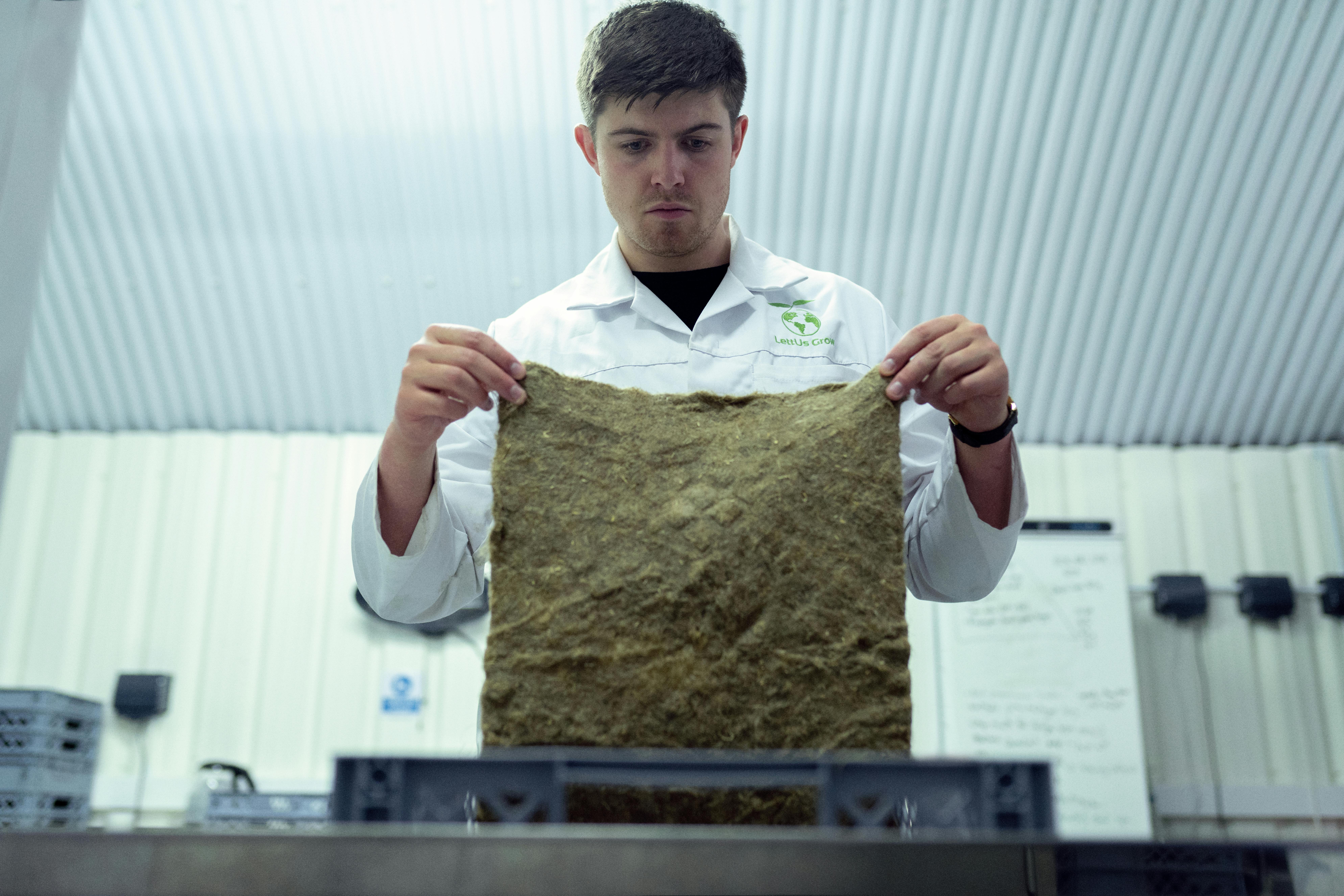
🎨 Creating Value from Waste: The Circular Vision
Revolutionary recycling technologies are transforming e-waste from an environmental liability into a valuable resource stream. By recovering materials with exceptional purity and efficiency, these innovations close the loop on electronics manufacturing, reducing dependence on environmentally destructive mining operations.
The transition from linear “take-make-dispose” models to circular systems requires fundamental changes in how we design, manufacture, use, and recover electronic products. Technology alone cannot solve the e-waste challenge—it must be paired with supportive policies, business model innovation, and shifts in consumer behavior.
Successful implementation demands collaboration across the entire value chain, from product designers incorporating recyclability features to consumers properly disposing of unwanted electronics. Manufacturers must embrace extended responsibility for their products, investing in collection infrastructure and advanced recycling technologies.
The environmental benefits extend far beyond waste reduction. By recovering materials from e-waste, we reduce greenhouse gas emissions associated with virgin material production, preserve natural resources, and prevent toxic pollution. Some estimates suggest that comprehensive e-waste recycling could reduce electronics manufacturing emissions by up to 50%.
Economic opportunities abound for communities that develop robust e-waste recycling capabilities. These operations create high-quality jobs, generate valuable material streams, and position regions as leaders in sustainable technology. Several cities have branded themselves as circular economy hubs, attracting investment and talent focused on innovative recycling solutions.
As these cutting-edge technologies mature and scale, they promise to revolutionize how humanity manages its electronic waste. The vision of a world where every electronic device becomes feedstock for the next generation of products is increasingly within reach, powered by innovation, investment, and collective commitment to environmental stewardship.